
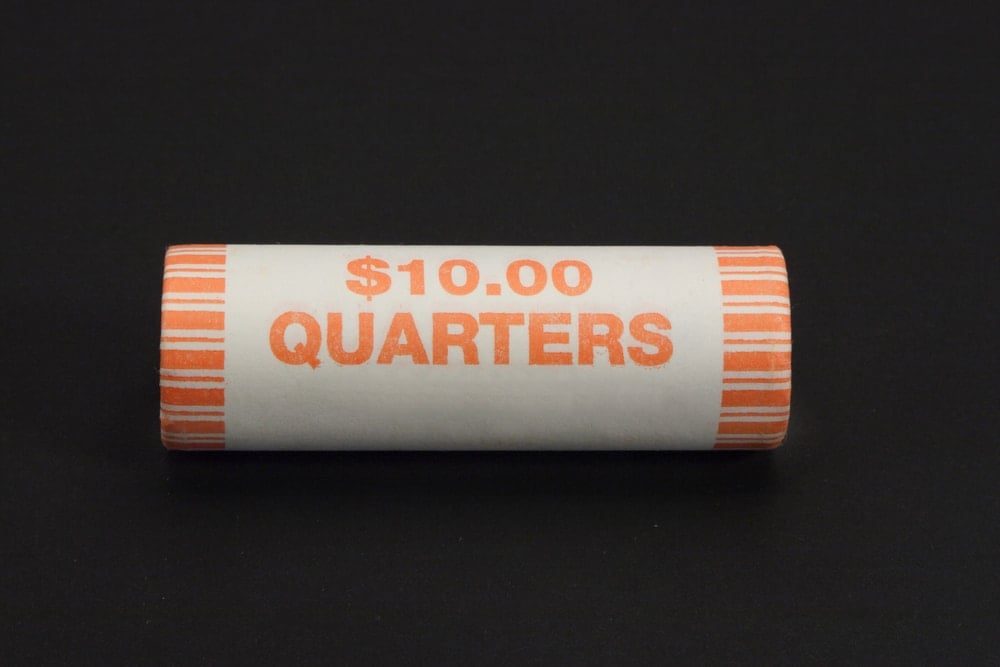
Reach into a jar of loose change and there is a fair chance you will find one. For ten years, from 1999 through 2008, the United States Mint released a new quarter every ten weeks or so, each one carrying a different state on its back. Kids filled cardboard folders with them. Parents who had never thought twice about coins started checking their change at the register. Few government projects have ever nudged so many ordinary Americans toward a hobby, and it began with a simple idea: put the fifty states on the most common coin in circulation.
What the 50 State Quarters Program was
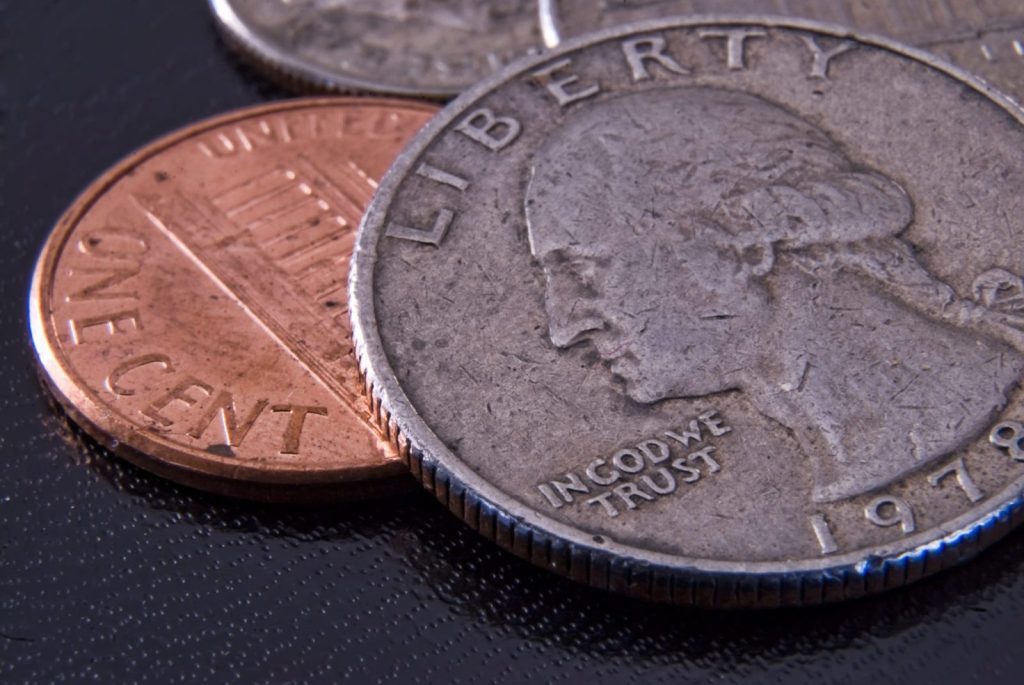
The 50 State Quarters Program was a ten-year run of circulating commemorative quarters, five new designs a year, honoring each state in turn. The familiar George Washington portrait, on the quarter since 1932, stayed on the front, though the Mint shifted the usual inscriptions to clear room. The back, normally an eagle, became a small canvas for each state to tell its own story. Delaware went first in January 1999. Hawaii closed the series at the end of 2008.
How a program like this gets started
Congress, not the Mint, authorizes new coin programs, and the quarters were no exception. President Bill Clinton signed the 50 States Commemorative Coin Program Act, Public Law 105-124, on December 1, 1997. If you want the fuller picture of how an idea becomes an authorized coin, we walk through the machinery in how the U.S. Mint decides which coins to make. The short version is that lawmakers set the rules, the Secretary of the Treasury gives final approval, and the Mint carries it out.
Delaware first, Hawaii last
The releases followed the order in which the states ratified the Constitution or were admitted to the Union. That is why Delaware, “The First State,” led off. Its reverse shows Caesar Rodney on horseback, a nod to his 1776 ride to Philadelphia to cast Delaware’s vote for independence, with the inscriptions THE FIRST STATE, DELAWARE, and 1787. The 1999 group also brought Pennsylvania, New Jersey, Georgia, and Connecticut, the rest of the earliest ratifiers. From there the calendar marched forward through statehood history until Hawaii, admitted in 1959, brought up the rear.
Who chose the designs
Each state ran its own selection, and the process was unusually open for a federal coin. Governors gathered ideas, often inviting residents to submit concepts or vote on finalists. The Mint’s engravers turned the chosen theme into a working design, the Citizens Coinage Advisory Committee and the Commission of Fine Arts offered comments, and the Treasury Secretary approved the final art. The results ranged from state birds and landmarks to peaches, lighthouses, and the occasional bison. A few designs became famous for the wrong reasons, like Delaware’s “spitting horse,” a die flaw that made Rodney’s mount look as though it were drooling.
Why the 50 State Quarters Program worked
The numbers are the easiest way to see the scale. The Mint estimated that about 147 million Americans collected the coins, pulling them straight from circulation at no cost beyond face value. Over the decade the Mint shipped more than 34 billion quarters to the Federal Reserve Banks, far more than the prior ten-year stretch, in part because so many coins were being set aside rather than spent. That extra demand was good for the Treasury. A quarter costs less to make than its twenty-five cent face value, and the difference, called seigniorage, added up to roughly three billion dollars in extra earnings attributable to the program, part of about 6.1 billion dollars in total quarter seigniorage during those years. The Mint also leaned hard into the classroom, and teachers and families downloaded nearly six million free lesson plans.
What came after
The idea did not stop at fifty. In 2009 Congress added a sixth year of designs for the District of Columbia and the five U.S. territories: Puerto Rico, Guam, American Samoa, the U.S. Virgin Islands, and the Northern Mariana Islands. Then came a larger sequel. The America’s Beautiful National Parks Quarter Dollar Coin Act, Public Law 110-456, signed December 23, 2008, launched the America the Beautiful quarters, 56 designs for national parks and sites that ran from 2010 through 2021. Washington quarters have carried rotating reverse designs ever since. The format the state quarters pioneered, a familiar face with a changing story on the back, became the Mint’s default for circulating commemoratives.
A note for collectors today
Most state quarters you turn up in change are worth exactly twenty-five cents, and that is fine. They were struck by the billions and circulated hard. The Mint did make collector versions at San Francisco, including clad and 90 percent silver proofs carrying the S mint mark, and those silver proofs contain real silver, which ties their floor to the metal rather than to nostalgia. Genuine error coins and top-grade certified examples can carry a premium over an ordinary piece, but for the everyday album filled from pocket change, the reward was always the doing of it. If you are curious what any given coin is truly worth, start with what it is made of and work outward from there. You can browse coin types on our coins pages, check how live metal prices sit on the markets page, and read our plain-English approach to valuation in the rules of gold.
The 50 State Quarters Program is over, but its legacy is quiet and everywhere. It turned a routine coin into a ten-year story, taught a generation to look twice at their change, and proved that the humblest denomination can still catch the public imagination. If it nudged you toward collecting, you were in very large company. When you are ready to buy or sell, our dealer directory and our how it works guide are sensible next steps.