

For twelve years, the loose change in American pockets carried a rotating gallery of national parks, forests, and historic sites. The America the Beautiful quarters program ran from 2010 through 2021, and by the time it wrapped up it had put 56 different reverse designs into circulation, one for every state, the District of Columbia, and the five U.S. territories. It was the longest circulating coin series the modern Mint had attempted, and it quietly became something more interesting to collectors than anyone expected on day one.
This is a look back at how the program worked, the two features that give it lasting appeal, and what a holder should keep in mind before treating any of these coins as more than face value.
What Were the America the Beautiful Quarters?
The series was created by the America’s Beautiful National Parks Quarter Dollar Coin Act, signed into law on December 23, 2008. The structure borrowed directly from the wildly popular 50 State Quarters run that had just ended: five new reverse designs each year, the familiar George Washington obverse retained, and a national theme to keep collectors coming back.
The subject this time was public land. Each jurisdiction chose a single national site to honor, and the coins were released in the order those sites came under federal protection, oldest first. That ordering rule is why the program did not march alphabetically or by statehood. It followed the calendar of American conservation instead.
The first coin, released January 26, 2010, honored Hot Springs National Park in Arkansas, a site whose federal protection dates to 1832, decades before the term national park even existed. The final design, released in early 2021, honored the Tuskegee Airmen National Historic Site in Alabama, showing an airman fastening his helmet with two P-51 Mustangs overhead. Between those two came a broad tour of the country, from Yosemite and the Grand Canyon to lesser-known sites like the War in the Pacific park on Guam and American Memorial Park on Saipan.
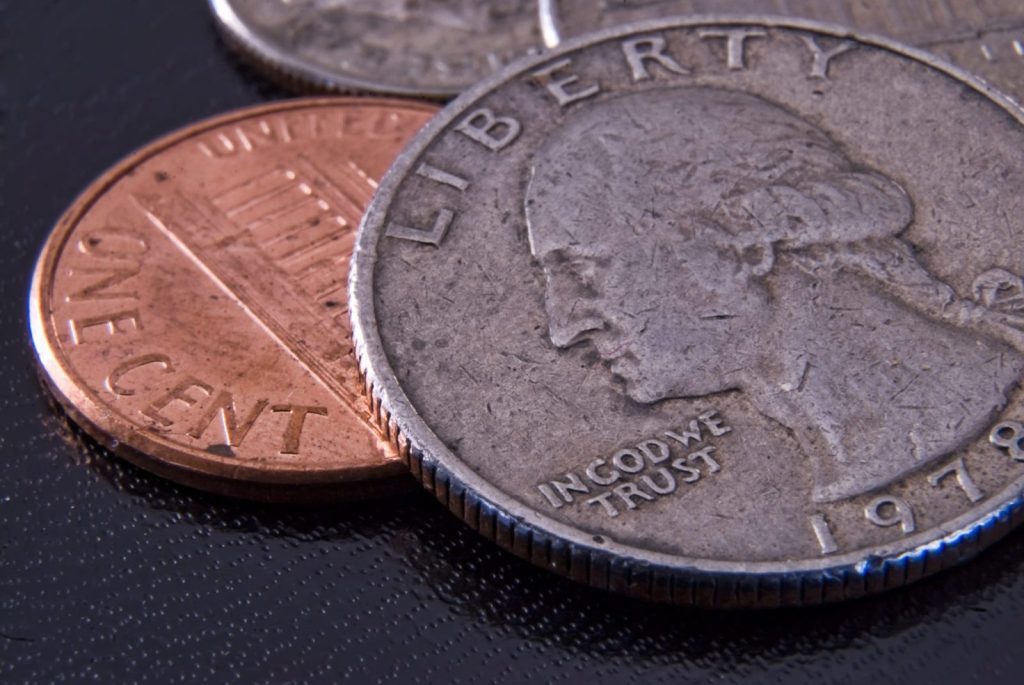
The obverse never changed. It carried John Flanagan’s Washington portrait, the same one that had been on the quarter since 1932. All the storytelling happened on the reverse.
The Five-Ounce Silver Coins
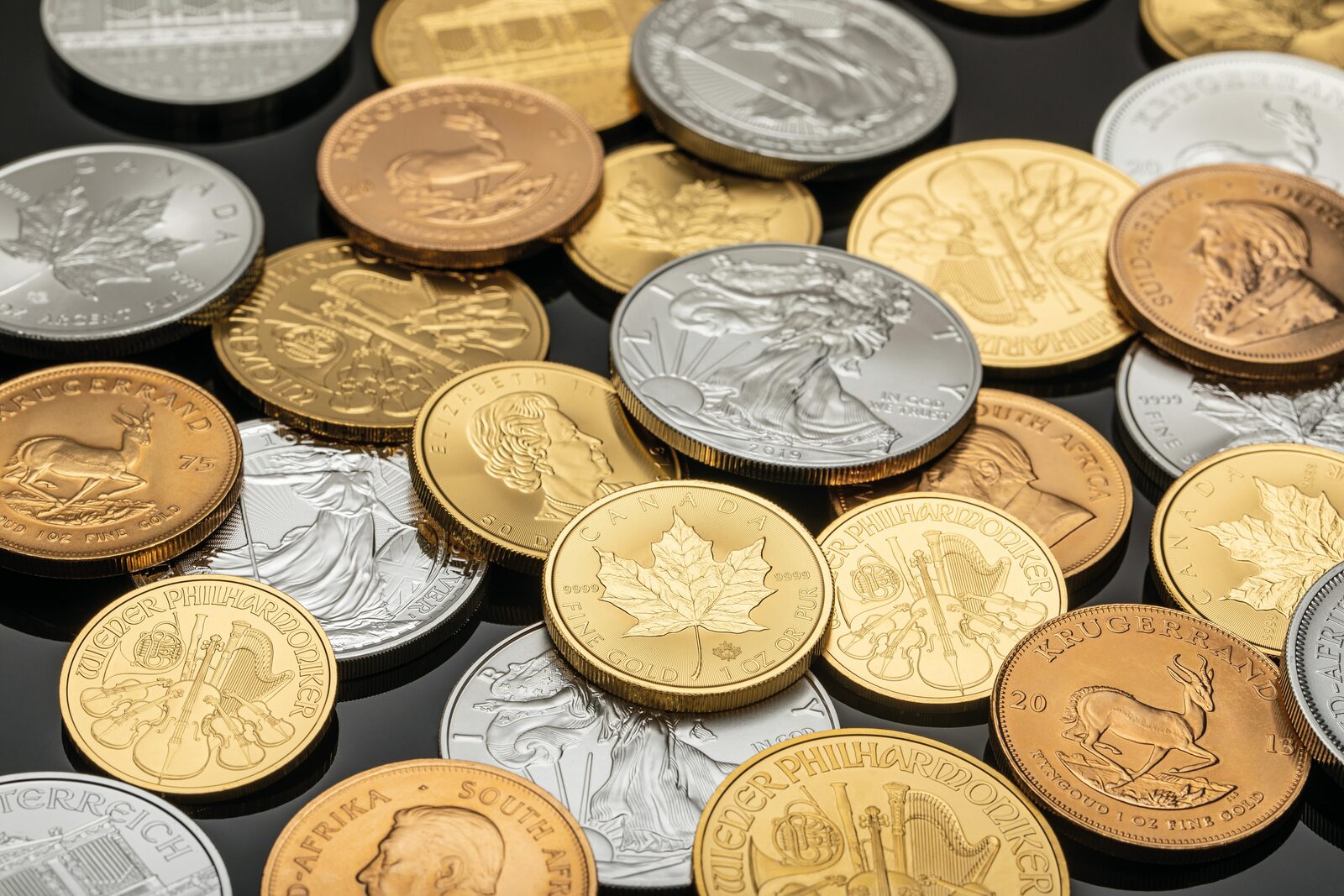
Here is where the program crossed from pocket change into the world of precious metals. Alongside the copper-nickel clad quarters everyone spent, the Mint struck each design as a giant .999 fine silver coin: five full troy ounces of silver, three inches across, one of the largest and heaviest coins the United States has ever made. They carry the same 25-cent face value and the same design as their tiny circulating cousins, just scaled up dramatically.
These came in two flavors. The plain bullion version, with no mint mark, went out through the Mint’s authorized purchaser network the same way Silver Eagles do, aimed at buyers who wanted the metal. A separate collector version carried a Philadelphia mint mark and a matte, specimen-style finish, sold directly to the public. Mintages were modest by bullion standards, often in the low tens of thousands per design, and a few years ran genuinely scarce. The 2012 Hawaii Volcanoes issue is the standout, with only a few thousand more struck than a rounding error.
Because each coin holds five ounces of pure silver, its metal value simply tracks five times the silver spot price, which sat near $67 an ounce in late summer 2026. That metal content is the floor. Anything a low-mintage or well-graded example brings above it comes from collector demand, not from the silver. If you want silver bullion that is easier to trade in and out of, a stack of one-ounce American Silver Eagles is the more liquid path. The five-ounce pucks are prized more for the design and the size than for efficient stacking.
The West Point Treasure Hunt
The program’s second act of collector drama came near the end. In 2019 the Mint struck a portion of each design at the West Point facility with a small W mint mark, the first W ever to appear on a circulating U.S. coin, and the first new circulating mint mark since Denver opened in 1906. Rather than sell them, the Mint mixed two million of each design into regular quarter production and shipped them to the Federal Reserve in ordinary bags.
That turned a routine year into a nationwide scavenger hunt. Ten million W quarters were scattered among billions of ordinary ones, and finding one in change ran roughly one in two hundred. The Mint repeated the trick in 2020, adding a V75 privy mark to those coins to mark the 75th anniversary of the end of World War II, the first privy mark on a circulating American coin. Collectors sorted through rolls for months chasing both.
The W quarters are worth more than face value, especially in high grade and especially if never spent, but the premium is a collector premium tied to condition and to the novelty of that first W. It is not a metal story. These are clad coins with no silver in them at all.
What They Are Worth Today
For most people, the honest answer about the everyday clad quarters is that they are worth 25 cents. Billions were struck, they circulated freely, and a worn Denali or Everglades quarter from a coin jar is spending money. Value collects at the edges of the series: the scarce five-ounce silver pieces, the West Point W and V75 issues in top condition, high-grade proofs, and the occasional error. Grading and eye appeal drive those numbers far more than the design itself does.
None of that requires chasing a specific dollar figure, and buyers should be wary of anyone quoting one as a guarantee. A coin’s grade, its population in the certified census, and current collector interest all move the price, and they move it in both directions. If you are drawn to the silver versions as a metals holding, judge them first on their five ounces of content, then treat any collectible premium as a separate bet. Our how it works page and the rules of gold cover that separation between metal value and market price in more detail, and the live markets page tracks where silver sits now.
A Program Worth Remembering
The America the Beautiful quarters did what a good circulating series should. They put a little history and geography into daily transactions, they gave new collectors an easy and cheap way in, and through the silver coins and the West Point releases they left behind a handful of genuinely collectible pieces. The Mint moved on to the American Women quarters in 2022 and then to the 2026 Semiquincentennial designs, but the national parks run remains one of the more ambitious things it has attempted.
If you enjoyed this history, the same story played out in different form across the 50 State Quarters program that came before it and the Presidential dollar coins that ran alongside. For the machinery behind all of them, see our explainer on how the U.S. Mint decides which coins to make, and browse current inventory anytime on the coins page.