
Editor’s Note
A gold-colored U.S. dollar just created the kind of collector frenzy that makes headlines, with one small catch: there isn’t any gold in it. That’s not a scandal. But it is a perfect lesson in the difference between collectible value, precious-metal value, and marketing value, three things buyers had better learn not to confuse.
The Hook
I’ve spent enough years around coin counters to know one rule that never changes:
Never judge a coin by its color.
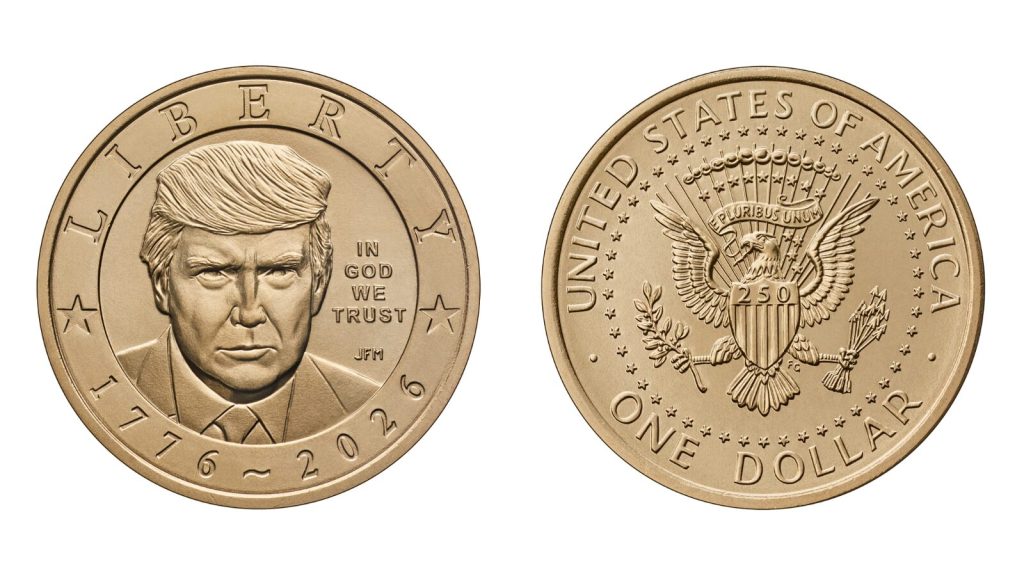
The 2026 Semiquincentennial President Donald J. Trump $1 Coin certainly looks golden. But according to the U.S. Mint specifications, its composition is copper, zinc, manganese and nickel. There isn’t an ounce, gram or shaving of gold in the thing.
And that’s perfectly fine.
It’s a circulating-quality collectible dollar, not bullion.
The trouble starts when buyers forget the difference.
Before you pay a premium for anything shiny, know what you actually own. Start free at FMVGold.com to track your portfolio live, take Pro for a 14-day trial if you want the full toolkit, and learn what your gold is worth today without all the hassle.
The Breakdown
Let’s get something straight before the coin-show rumor mill gets warmed up.
The U.S. Mint isn’t pretending this is a gold coin.
The Mint actually explains that modern “golden dollars” aren’t made of gold at all. Their golden appearance comes from their composition, which includes manganese brass. The Trump dollar weighs 8.10 grams and carries a face value of one dollar.
The Mint offered the coins in 25-coin rolls for $61 and 100-coin bags for $154.50. It also randomly inserted 250,000 coins bearing a special July 4th privy mark into the rolls and bags.
That’s where this gets interesting from a numismatic standpoint.
A collector may reasonably pay more than face value for a coin because of its design, condition, scarcity, provenance or demand. We’ve been doing that since long before somebody invented the phrase “alternative asset.”
But that’s numismatic value.
It isn’t metal value.
And those two numbers can live in entirely different ZIP codes.
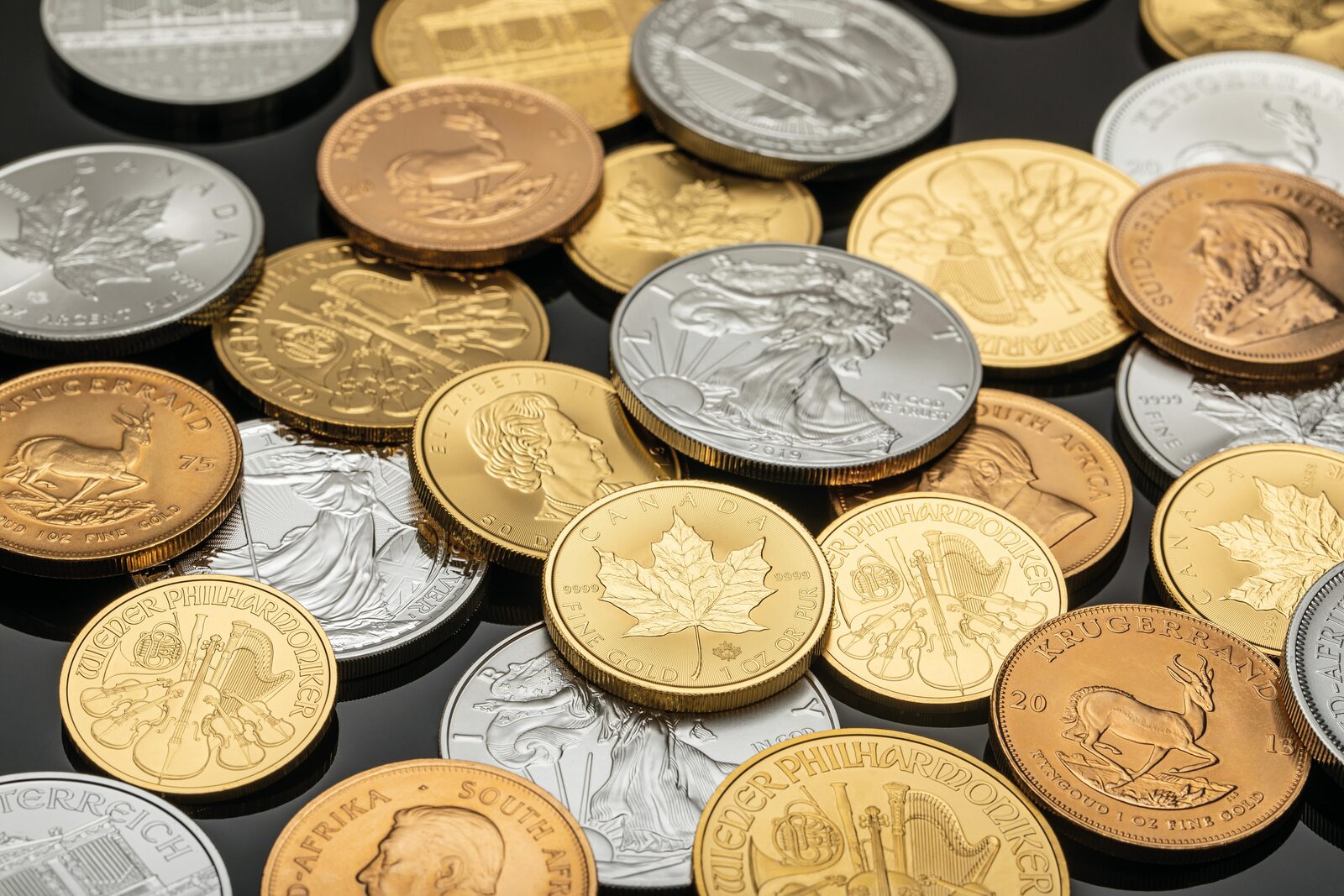
A one-ounce American Gold Eagle tells you right on the coin what you’re dealing with: 1 OZ. FINE GOLD. The 2026 one-ounce Gold Eagle is a 22-karat U.S. Mint gold coin containing one troy ounce of fine gold.
The golden dollar?
It’s a dollar coin that happens to be golden in color.
Same adjective. Very different balance sheet.
The Burn
This is where I’d keep one hand on my wallet.
The U.S. Mint isn’t the problem here. Its specifications are public and straightforward.
The secondary-market pitch is where collectors need to pay attention.
Give the marketplace enough time and somebody will put one of these in an oversized slab, slap “FIRST STRIKE,” “HISTORIC,” “250TH ANNIVERSARY” or another exciting phrase across the label, and start testing exactly how much enthusiasm the market will tolerate.
I’ve seen this movie before.
Back in the old coin-show days, at least the fellow charging you three times what something was worth had to look you in the eye.
Today he gets a website and free shipping.
A special privy mark may create legitimate collector demand. Exceptional condition may matter. Certification may matter. Scarcity may matter.
But none of those things magically put gold into a copper-alloy coin.
Grading can affect collector value. It cannot change metallurgy.
That’s the distinction buyers need to remember whenever collectible premiums start running away from the underlying object.
The Solution
Before buying any coin marketed with words such as “gold,” “golden,” “rare,” “limited,” or “investment,” ask four questions:
- What is it actually made of?
- How much precious metal does it contain?
- What am I paying above face or intrinsic metal value?
- If I’m paying a large premium, what exactly am I receiving for it?
If the answer to No. 4 is rarity, history or genuine collector demand, fine. You’re making a numismatic purchase and should evaluate it accordingly.
If you believe you’re buying gold exposure, however, the arithmetic gets much simpler.
Weight. Purity. Price. Spread.
Those are the numbers that matter.
That’s why an American Gold Eagle and a gold-colored dollar shouldn’t even be evaluated with the same ruler. One contains precious metal. The other is a collectible circulating coin.
Buy the Trump dollar because you enjoy the design, want a piece of the 250th-anniversary coinage program, or think the special privy-mark pieces will become an interesting modern collectible.
Just don’t buy one thinking you’ve bought gold.
Forty years around this business teaches you something simple:
Color catches the eye. Content determines what you own.
And when real money is involved, read the specifications before you read the sales pitch.
Learn what your gold is worth without all the hassle at FMVGold.com.
Coin images: U.S. Mint.