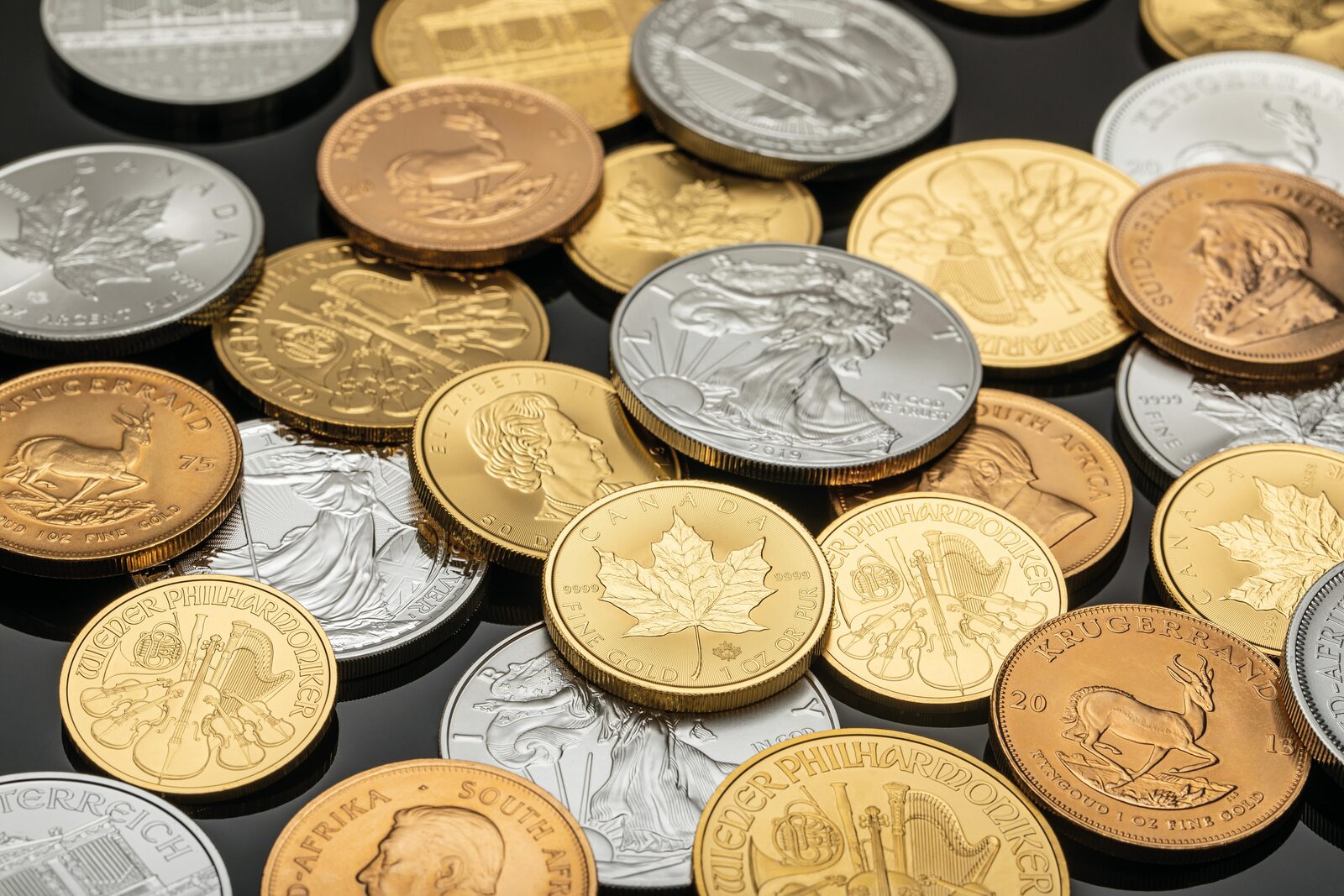


Anyone who has bought a gold or silver coin runs into the same small shock at checkout. The spot price on the screen says one thing, and the coin costs more. That gap has a name. It is the premium over spot, and understanding it is the difference between buying metal well and quietly overpaying for it.
What the premium over spot actually pays for
Spot is the price of raw metal traded in large contracts between refiners, banks, and industrial users. It is a wholesale number for unfabricated metal, nothing more. A finished coin is not raw metal. Someone had to refine it to investment purity, produce a blank, strike it, inspect it, package it, ship it, insure it, and hold it in stock until you came along. Every one of those steps costs money, and the premium is how that cost gets recovered.
It helps to split the premium into two rough parts. The first is the cost of turning ore-grade metal into a recognizable, trusted product: refining, blank production, minting, and quality control. Government mints add their own charge on top of that, which is one reason coins from national mints usually carry more than privately struck rounds of the same weight. The second part is the margin every hand in the chain takes, from the mint’s authorized purchasers down to the shop that finally sells to you. None of this is hidden or improper. It is simply the cost of converting a wholesale quote into something you can hold in your hand.
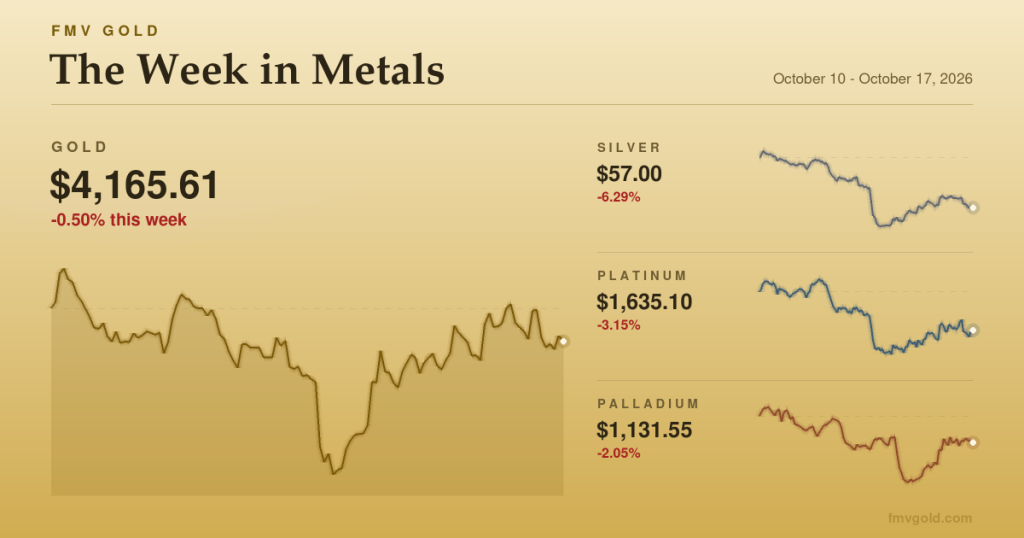
This is also why the melt value of a coin is a floor, not a sticker price. Melt tells you what the metal inside would be worth if the coin were melted down. The premium is what sits above that floor. Our valuations treat melt value as the metal floor for exactly this reason. You can see how that works on our how it works page, and track the underlying spot moves on the markets page.
Why premiums differ from one product to the next
Two products can hold the same weight of the same metal and still carry very different premiums. Format is the biggest reason. Large bars are the cheapest way to buy a given weight, because fabrication cost is spread over more ounces. A single one-kilo bar takes far less handling per ounce than the thirty-plus coins it would take to match it. Generic rounds, struck by private mints, usually sit a notch above bars and below sovereign coins. Sovereign coins, such as those in the American Gold Eagle series, carry the most, because a government guarantee of weight and purity has real value in resale and because collectors bid for them.
Size matters just as much as format. Fractional coins, the half, quarter, and tenth-ounce pieces, cost proportionally more per ounce than their one-ounce siblings. The minting work barely falls when the coin gets smaller, so that fixed cost lands on fewer ounces of metal. A tenth-ounce gold coin is genuinely convenient and affordable in absolute dollars, but you pay for that convenience in premium.
The metal itself changes the math too. Because silver is far cheaper per ounce than gold, the fixed cost of striking a coin is a much larger slice of the final price. That is why silver coins almost always carry a higher premium as a percentage than comparable gold coins. The American Silver Eagle series is the classic case, a liquid and popular coin whose premium reflects both heavy demand and that fabrication math. Buyers chasing the lowest premium per ounce of gold often look to plain one-ounce coins such as the American Buffalo, while anyone who wants to weigh formats side by side can browse the full coin listings.
When premiums move, and why they can spike
Premiums are not fixed. They breathe with supply and demand for the physical product, and that does not always move in step with the spot price. The clearest modern lesson came in 2020 and early 2021. When the pandemic disrupted refineries and mints and a wave of buyers arrived all at once, spot did its own thing while physical premiums on small coins and bars jumped sharply. Some products briefly sold out. The metal was still being priced on the exchanges every day, but you could not easily get a finished coin anywhere near the old premium.
That pattern repeats whenever fear and physical demand outrun the supply chain. In a rush, the premium on the smallest, most popular retail products rises first and fastest, because that is where ordinary buyers crowd in. When calm returns, premiums drift back down. A steady premium over spot is the sign of a well-supplied market. A widening one tells you the physical side is under stress, regardless of what the spot chart is doing.
Keeping the premium from eating your return
You cannot avoid the premium, but you can manage it, and a few habits go a long way. Match the product to the goal. If you want the most metal for your money and plan to hold for years, larger coins and bars keep the premium low. If you want small, divisible, instantly recognizable pieces, accept that the convenience costs a little more. Compare like with like, because a premium only means something next to the very same product elsewhere, which is part of what a dealer directory is for. And keep the exit in mind: the premium you pay going in is rarely the premium you recover coming out, so a lower entry premium simply leaves you more room.
One practical note for retirement buyers. Metal held in an IRA must meet a minimum fineness, generally .995 for gold and .999 for silver, with the American Gold Eagle written in as a specific exception despite its lower fineness. Eligible products still carry different premiums among themselves, so the same rules about format and size apply inside a retirement account exactly as they do outside one.
Strip away the jargon and the premium over spot is just honesty about cost. Raw metal is one thing. A finished, guaranteed, ready-to-hold coin is another, and it took real work to get from the first to the second. Knowing what you are paying for, and why one coin costs more than the next of equal weight, turns that checkout surprise into an informed choice.