

Ask most people where a new coin comes from and they picture engravers at the Mint sketching ideas and picking winners. The reality runs the other way. The United States Mint makes coins, but with very few exceptions it does not choose which ones. That decision belongs to Congress, and the road a coin travels from an idea to a struck piece is longer and stranger than most collectors realize.
Understanding that road explains a lot: why your favorite subject never got a coin, why some programs sell out in an afternoon, and why a slice of what you pay on a commemorative quietly funds a museum or a memorial. Here is how the U.S. Mint decides which coins to make, and who is really pulling the levers.
How the U.S. Mint decides which coins to make
The Mint’s output splits into two streams. One is circulating coinage: the cents, nickels, dimes, and quarters meant to move through cash registers. The other is numismatic and bullion product: the proof sets, commemoratives, and precious-metal coins bought to keep rather than spend. Both streams begin in the same place, an act of Congress, and only diverge once they are underway. (For a plain-language tour of how physical coins fit into a holding, see our how it works overview.)
Even the change in your pocket follows the rule. The 50 State Quarters, the America the Beautiful parks series, the American Women Quarters, and the American Innovation dollars each began as legislation, not a Mint marketing meeting. Congress writes the program, sets its length, and often dictates the subjects. So how the U.S. Mint decides which coins to make comes down to a plain truth: lawmakers decide, and the Mint builds.
How a commemorative coin becomes law
Commemoratives are where the process shows its teeth. A commemorative coin honors a person, place, event, or institution, and it exists only if Congress passes a bill authorizing it and the President signs it. That bar is high by design. Hundreds of coin ideas circulate every session, and almost none survive.
The first filter is raw support. By long-standing practice, congressional leaders will not schedule a commemorative coin bill unless it has already gathered a wall of cosponsors: at least 290 in the House and 67 in the Senate. Those are supermajority-sized numbers, and collecting them weeds out vanity projects before they ever reach the floor.
The second filter is a shortage of slots. After the commemorative program of the late 1980s and early 1990s grew crowded and diluted, the Commemorative Coin Reform Act of 1996 tightened the calendar: beginning in 1999, the Mint may run no more than two commemorative coin programs in any single year. Two. That ceiling turns coin authorization into a yearly competition, and it is why a worthy subject can sit in line for years waiting for an opening.
The shape of a commemorative program
When a program does pass, the law typically authorizes up to three coins in familiar denominations: a $5 gold piece, a silver dollar, and a copper-nickel clad half dollar. The statute fixes each coin’s weight and fineness and sets a maximum mintage, so once a coin sells out it is genuinely gone. This is the modern echo of a tradition that restarted in 1982, when a half dollar honoring George Washington revived commemorative coinage after a dormancy that reached back to 1939.
Attached to every commemorative is a surcharge, a fixed amount added on top of the coin’s price and earmarked for a designated cause. The figures stay consistent from program to program, commonly $35 on the gold coin, $10 on the silver dollar, and $5 on the half dollar. The 2024 Harriet Tubman coins, for instance, sent their surcharges to the National Underground Railroad Freedom Center and the Harriet Tubman Home. Since the modern program began, these add-ons have funneled more than $506 million to museums, monuments, and cause-based organizations.
There is a catch that surprises people. The receiving organization does not simply collect the money. Under reforms carried into law in 2003, it must first raise matching funds from private sources, dollar for dollar, and then open its books to an audit. The Mint, for its part, cannot release a cent of surcharge until it has recovered its own cost of making and selling the coins. If a program flops, the cause may see nothing. That structure keeps commemoratives from turning into a hidden subsidy at the taxpayer’s expense.
Who actually shapes the design
Authorizing a coin is not the same as designing it, and here too the Mint does not act alone. Two outside bodies weigh in. The Citizens Coinage Advisory Committee, created by Congress in 2003, advises the Secretary of the Treasury on the themes and designs of every U.S. coin and medal. The Commission of Fine Arts, which has reviewed federal art and architecture since early in the twentieth century, offers a second read. The Mint’s own sculptor-engravers, along with outside artists from its Artistic Infusion Program, produce the candidate designs; the two committees critique them; and the Treasury Secretary makes the final call. It is a deliberately slow sieve, which is why a released coin can look noticeably different from the first sketch that started it.
Bullion plays by its own rules
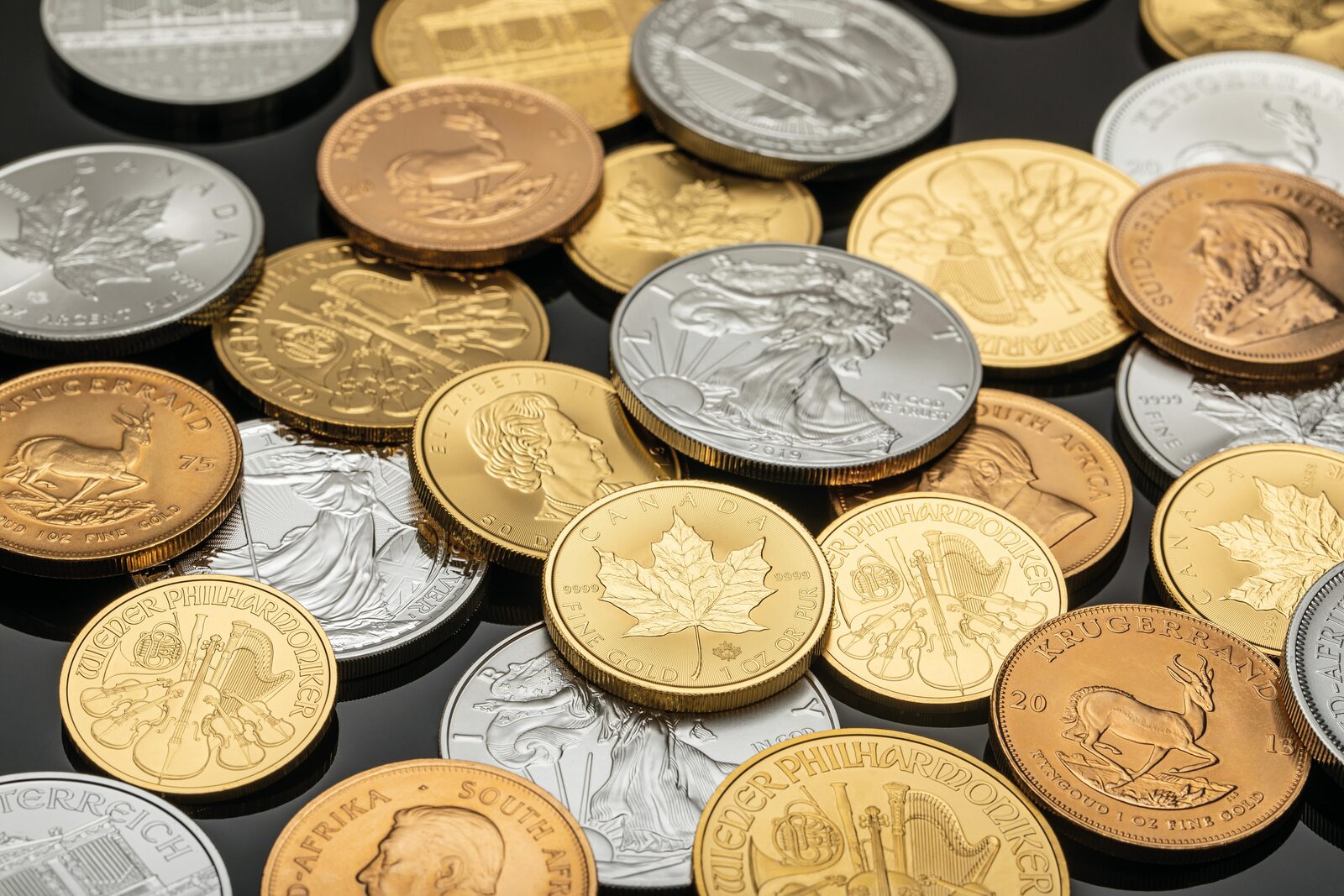
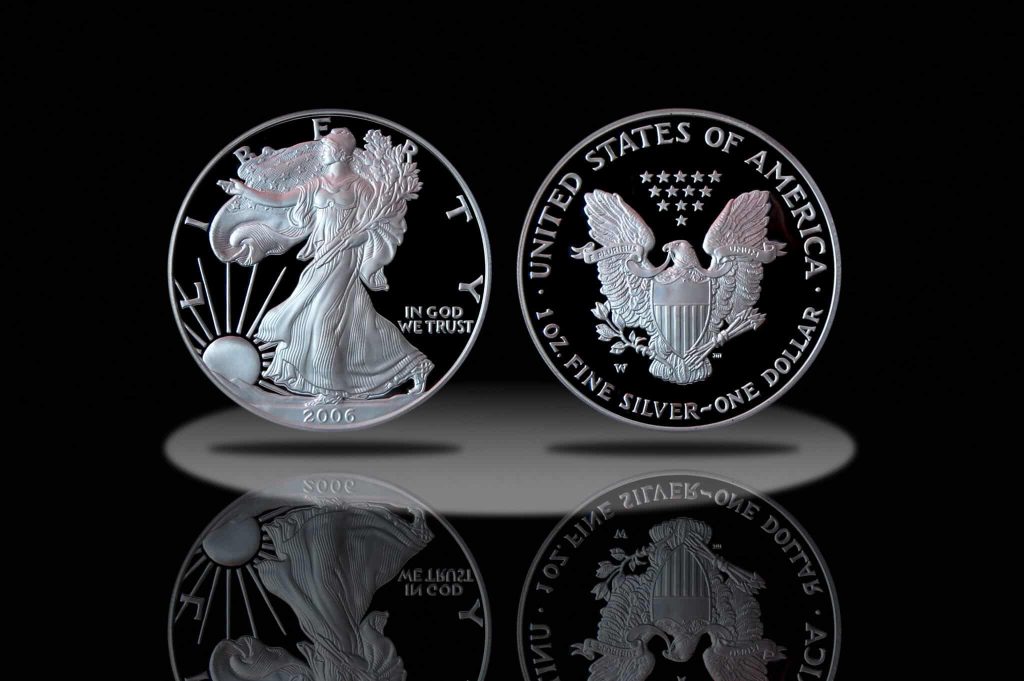
Bullion coins sit outside all of this, a distinction that trips up a lot of new buyers. The American Gold Eagle and Silver Eagle, born from bullion legislation in 1985, and the 24-karat American Buffalo that followed in 2006, were each created by their own laws and are struck to meet demand rather than against a fixed cap. You can set the two flagships side by side, the Gold Eagle and the Silver Eagle. The Gold Eagle even wears a design lifted from Augustus Saint-Gaudens, proof that a great coin design can outlive the program it was made for. Classic silver dollars have had their own modern revival: the Morgan and Peace dollars returned in 2021 under a separate act of Congress, and the Mint has kept issuing them since.
What this means when you buy
Knowing the machinery changes how you read a new release. A commemorative’s mintage cap is real, so scarcity is built in from the start, though scarcity and future value are never the same thing. The surcharge you pay is a donation riding along with the coin, not part of its metal value. And the mere fact that a coin exists means its subject cleared an obstacle course of cosponsors, committees, and a two-per-year ceiling. That backstory is part of what a collector is actually buying.
None of this is investment advice, and a coin’s legislative pedigree says nothing about what it will fetch down the road. What it does tell you is that the object in your hand was no accident. Browse the full catalog and you will find that nearly every series has a law behind it, a committee that argued over its face, and, in the case of commemoratives, a cause that got a little help along the way.