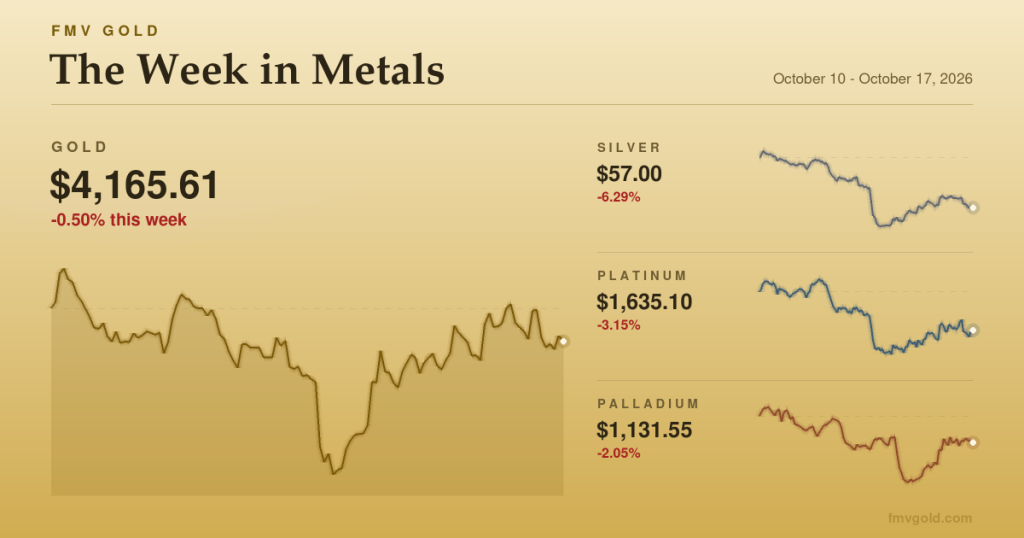

Pull up a live gold quote and you will see a single number climbing or sliding. Walk up to a dealer counter, or a dealer’s website, and that single number splits in two. There is a price to buy and a lower price to sell, and the space between them has a name: the bid-ask spread. With gold trading above $4,000 an ounce in mid-2026 and silver around $60, that gap is worth understanding before you hand over money or metal.
The spread is not a line item printed on a receipt. It is baked into the two prices you are quoted, which is exactly why it is easy to miss. Learn to read it and you can tell a fair, liquid market from an expensive one at a glance.
What bid and ask actually mean
The ask is the price you pay to buy from the dealer. The bid is the price the dealer will pay to buy the same item back from you. The ask always sits higher than the bid. If it did not, the dealer would lose money on every round trip and would not stay in business long.
It helps to keep the spread separate from the premium, which this desk covered in its explainer on premiums over spot. The premium is how far the ask sits above the metal’s spot value. The spread is the full round-trip gap between what you pay to buy and what you would receive to sell today. Think of the premium as the cost of getting in, and the spread as the cost of getting in and back out.
Why the dealer runs two prices at once
A bullion dealer is a market maker. It stands ready to buy and to sell at the same time, quoting a two-way market so a customer can transact in either direction on demand. The spread is the gross margin that pays for that service, and the costs behind it are real: secure storage, insurance, shipping, authentication, staff, and the capital tied up in inventory that can swing in value between the moment it is bought and the moment it sells.
There is a risk premium in there too. Every ounce sitting on a dealer’s shelf is exposed to the market. If spot drops overnight, that inventory is worth less by morning. The spread compensates the dealer for carrying that exposure so you do not have to wait days for a buyer to appear. On the wholesale side, in the COMEX futures market or the loco-London market, spreads are razor thin because the products are standardized and turnover is enormous. By the time metal is minted into a coin, packaged, and shipped to a retail buyer, the spread has widened to cover all of that handling.
What makes a bid-ask spread on gold and silver wide or narrow
Four forces do most of the work.
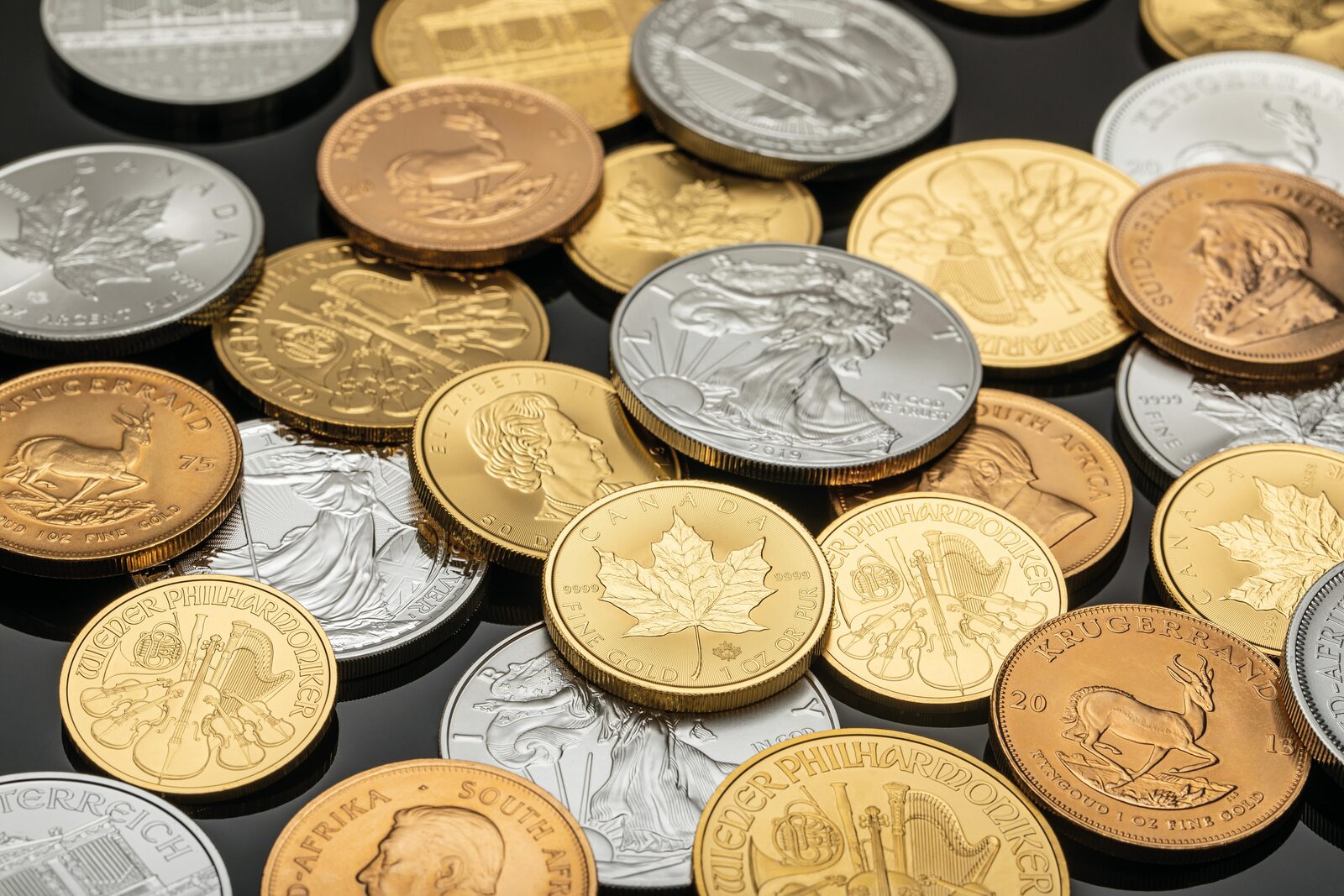
Recognition and liquidity. The more universally a product is known and trusted, the tighter its spread. A government coin like the American Gold Eagle or the American Silver Eagle is recognized on sight and resells almost anywhere, so buyers accept a thinner margin. A generic round or an off-brand bar may carry a lower entry premium, yet it can be harder to sell back, and that difficulty shows up as a lower bid.
Metal. Gold generally trades on a tighter percentage spread than silver. Silver is bulkier and cheaper per ounce, so shipping, storage, and handling eat a larger slice of its value. A dollar of cost spread across a coin worth thousands barely registers. The same dollar across an ounce of silver in the low sixties is felt immediately.
Size. Fractional pieces, the tenth-ounce and quarter-ounce coins, carry the widest spreads because the fixed cost of making and handling a coin is spread over less metal. Large bars look efficient on paper with a slim percentage premium, yet the secondary market for a heavy bar is smaller, and a serious buyback may require an assay first.
Volatility. Spreads breathe with the market. When prices whip around, dealers widen their quotes to avoid being caught on the wrong side of a fast move, and weekend quotes, taken when the wholesale market is closed, tend to be wider still. In calm, liquid conditions the same product trades on a narrower spread than it does in a panic.
The spread is the real cost of a round trip
Here is the practical part. If you bought a coin and immediately sold it back at the dealer’s bid, the bid-ask spread is roughly what that round trip would cost you, before spot has moved at all. On the most liquid one-ounce gold bullion that gap is often only a few percent. On small fractional coins or thinly traded silver it can run into the double digits. Nothing is wrong with paying it, but it explains why physical metal rewards patience. The shorter your holding period, the more that fixed round-trip cost weighs on your result.
This is also why chasing the rock-bottom entry premium can backfire. A product that is a hair cheaper to buy but noticeably harder to sell can cost you more on the exit than you saved on the way in. The number that matters is the full round trip, not the sticker on the buy side alone.
Keeping the spread on your side
A few habits keep the spread from working against you. Favor widely recognized bullion when liquidity matters more than shaving the last fraction off the premium. Buy in the sizes that trade efficiently rather than defaulting to the smallest coins. Keep original packaging, assay cards, and receipts, since clean, verifiable product sells back faster and closer to bid. When you do sell, compare a buyback quote as a percentage of spot rather than as a raw dollar figure, and try not to sell into the teeth of a volatile session if you can wait for a calmer, tighter market.
The spread is simply the price of a market that will trade with you in both directions, any business day. You can check current spot levels on our markets page, see how two-way pricing works among dealers, and read the rules of gold for the principles behind fair pricing. Read the two prices, mind the gap, and you will not confuse a liquid market for an expensive one again.