
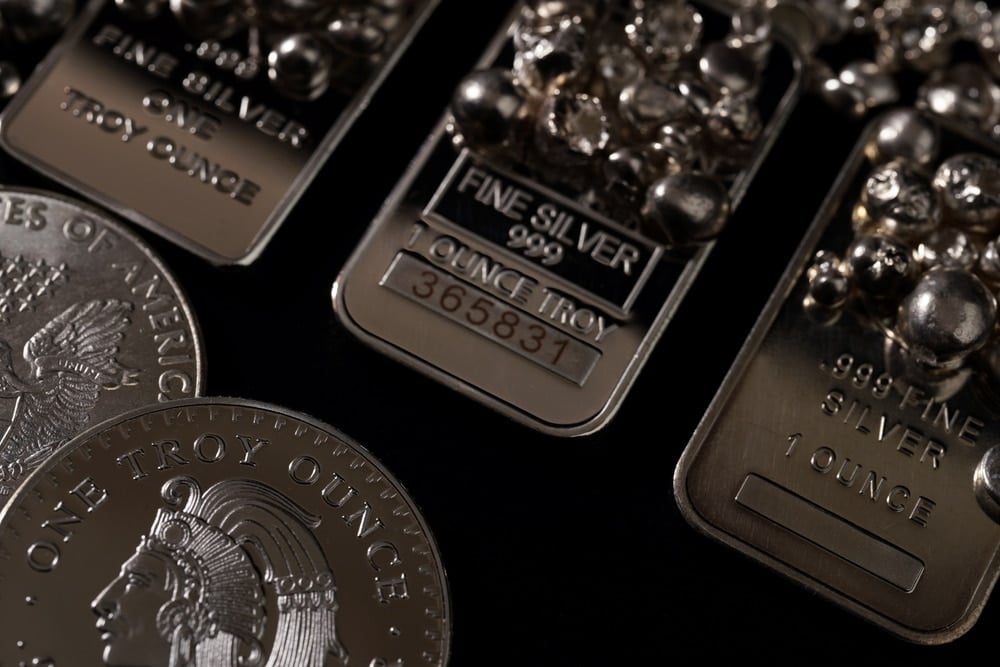
Silver has a quiet advantage over gold for the everyday buyer: a single ounce costs a fraction of what a gold ounce does, so the entry point is low to begin with. That raises a fair question. If an ounce of silver is already affordable, why would anyone buy it in tenth-ounce pieces? Fractional silver is one of those corners of the market where the appeal is obvious and the math deserves a second look before you commit.
What counts as fractional silver
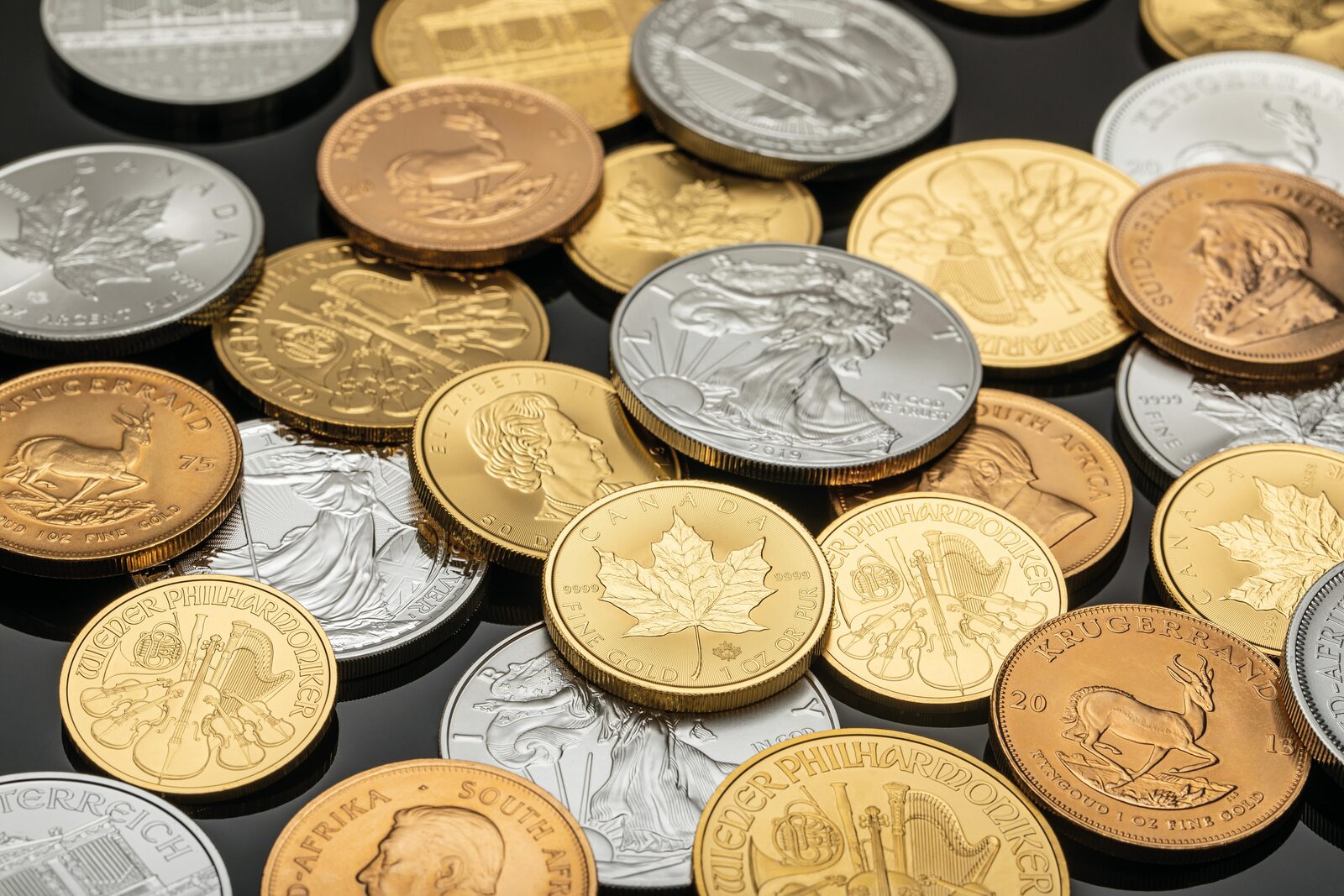
Fractional silver simply means any bullion piece holding less than a full troy ounce of metal. Unlike gold, where the U.S. Mint strikes the Gold Eagle in half, quarter, and tenth-ounce sizes, there is no fractional version of its silver flagship. The American Silver Eagle is issued only in the one troy ounce, .999 fine, with a one dollar face value, and always has been. So the fractional silver you see for sale comes from private mints and from an older source hiding in plain sight: circulated 90 percent silver U.S. coins.
That gives you three broad buckets. Privately minted rounds, which are coin-shaped but carry no face value and are not legal tender. Small bars, including gram-sized pieces and the snap-apart designs. And pre-1965 dimes, quarters, and half dollars, the “junk silver” that was fractional long before anyone marketed it that way.
The sizes you will actually see
Among modern rounds, the common fractional weights are one-half ounce, one-quarter ounce, and one-tenth ounce, usually struck in .999 fine silver with familiar designs borrowed from classic coinage: Walking Liberty, the Buffalo, Morgan and Peace dollar motifs. Bars go smaller still, down to one gram, five grams, and ten grams. A gram is only about one-thirtieth of a troy ounce, so these are genuinely tiny amounts of metal.
Then there are the divisible bars, sold under names like CombiBar. These are scored into a grid of one-gram sections, typically a hundred grams to a card, that you can break off by hand as needed. Some private mints offer similar “building block” rounds in eighth, quarter, and half-ounce increments that fit together. The pitch is the same in every case: hold a larger, cheaper-to-produce piece, and separate it into small units only when you need them.
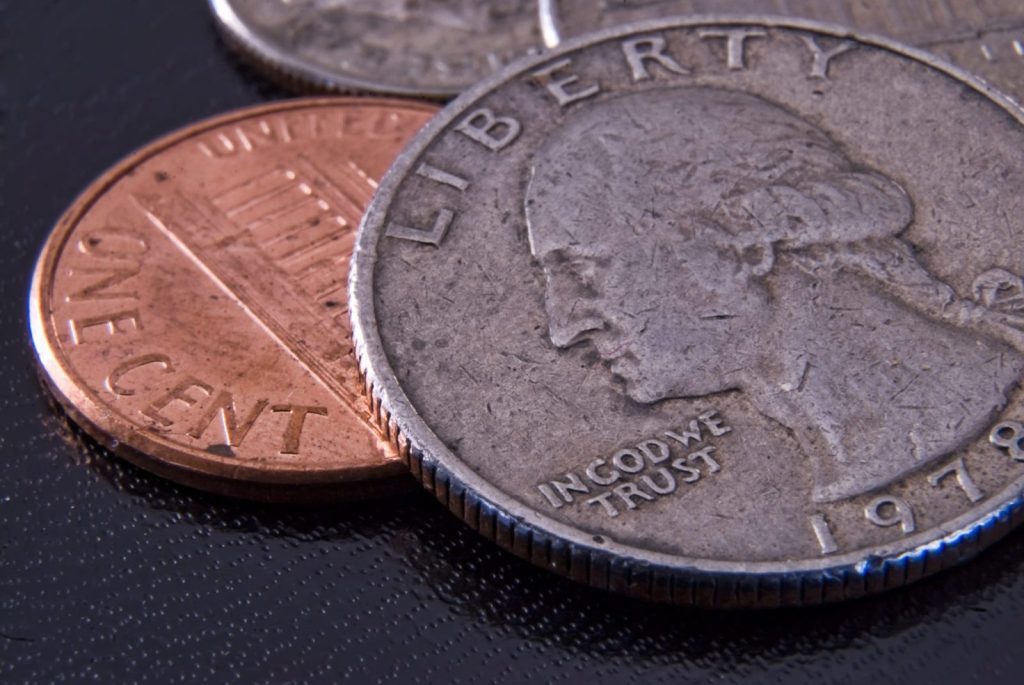
Junk silver rounds out the category. A pre-1965 dime carries roughly 0.0715 troy ounce of silver once you account for circulation wear, so a dollar of face value in mixed dimes, quarters, and halves works out to about 0.715 ounce. Those coins were built for commerce, which means they are already small, already recognizable, and already divisible without any special packaging.
Why fractional silver carries a higher premium
Here is the part that trips up new buyers. Minting a coin or bar costs money in dies, labor, blanks, and handling, and that cost does not shrink in step with the metal. Striking a tenth-ounce round takes nearly as much work as striking a full-ounce round, but it contains one-tenth the silver to spread the cost over. As a percentage of the metal it holds, the markup on fractional silver is the steepest in the whole silver aisle.
Silver’s low unit price sharpens the effect. With spot near 68 dollars an ounce in late August 2026, the metal value inside a tenth-ounce round is only a few dollars, and even a modest fixed production cost becomes a large slice of the total. Buy a stack of tenth-ounce pieces and you can end up paying a premium that, measured against the silver you actually receive, dwarfs what a one-ounce round or a bag of junk silver would cost you. The convenience is real, but you are renting it, not getting it free.
When fractional silver makes sense
None of that makes fractional silver a mistake. It makes it a tool with a specific job. The classic case is divisibility. If you want metal you could actually hand over in small amounts, whether for barter in a disrupted economy or just to sell a little at a time without liquidating a big piece, small units solve a problem that a ten-ounce bar cannot. Fractional silver also makes an easy, low-cost gift, and it lets someone accumulate metal a few dollars at a time.
The honest counterpoint: if your goal is simply to own as much silver as your dollars allow, fractional pieces work against you. You would get more metal per dollar from one-ounce rounds, larger bars, or 90 percent junk silver, where the premium over spot is far gentler. Many buyers split the difference, holding the bulk of a position in efficient one-ounce and larger formats and keeping a modest amount of fractional silver on hand for flexibility.
Fractional silver versus junk silver
For pure divisibility, junk silver is often the smarter buy than a tray of tiny rounds. A pre-1965 dime is about as small a unit as most people need, it is instantly recognizable as real U.S. coinage, and because these coins were produced by the hundreds of millions, they usually trade at a slimmer premium than freshly struck fractional rounds. The trade-off is that junk silver comes in the odd fractions of an ounce fixed by old coin weights, not the clean tenths a modern round advertises, so a little melt-value arithmetic helps when you compare offers.
How to buy fractional silver without overpaying
Start by translating every price into a premium over the metal value, then compare those premiums as percentages rather than dollars. A one dollar markup sounds trivial until you remember it may be sitting on top of three or four dollars of silver. Match the size to the purpose: buy fractional only for the flexibility you genuinely want, and cover the rest of your holding in cheaper formats. The same discipline that guides the choice between bars, coins, or rounds applies here, only magnified by silver’s low unit price.
Stick to .999 fine pieces from established private mints, and if you are buying a divisible CombiBar, make sure it arrives in its sealed assay card so each gram stays verifiable. Keep in mind that these private rounds and small bars are bullion plays, not retirement-account holdings; the named-coin and fineness rules that govern IRA eligibility exclude most generic silver rounds. The reasoning mirrors what we laid out for fractional gold: smaller pieces buy you divisibility and a lower ticket price, and you pay for both in premium.
Fractional silver earns its place for buyers who value the ability to hold and move metal in small, recognizable amounts. Just go in with eyes open about the markup, size your purchase to the goal, and let the efficient formats do the heavy lifting. If you want to see how physical metal is valued from the metal floor up, our how it works guide walks through the pieces, and the rules of gold lay out the principles we hold to.