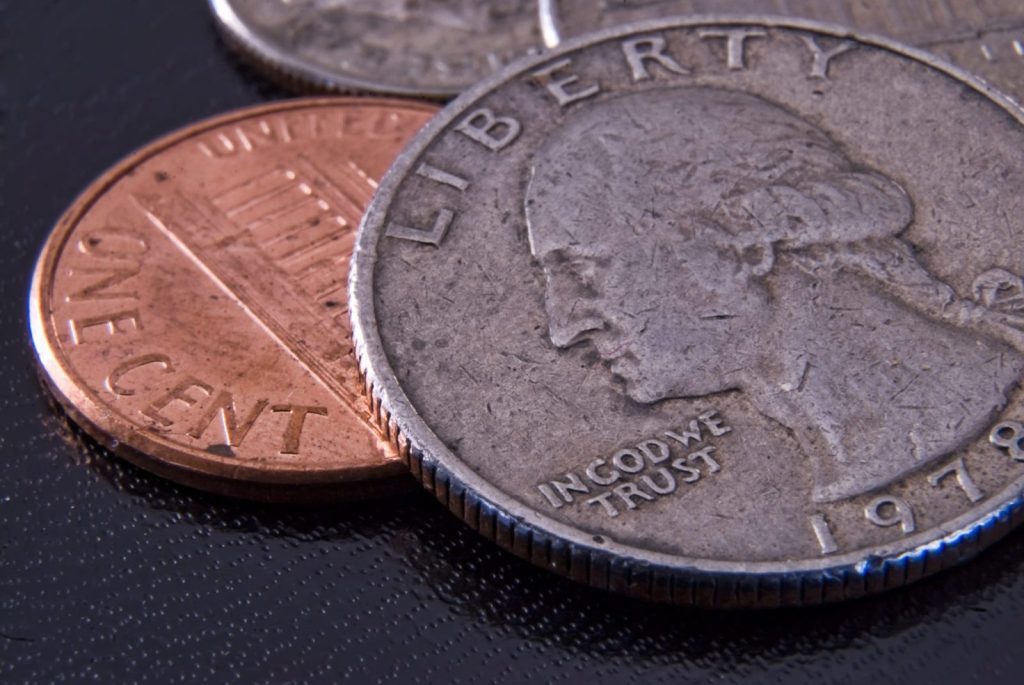


Pull a handful of change out of your pocket this month and look at the dates. If a dime, a quarter, or a half dollar reads “1776 ~ 2026” instead of a single year, you are holding a piece of the broadest circulating redesign the U.S. Mint has attempted since the Bicentennial. Nearly every denomination changed at once, the changes last exactly one year, and most of the coins involved will never be scarce. Sorting out which part of that is worth your attention is the point of this guide.
What the 2026 semiquincentennial coins actually are
Semiquincentennial is the 250th anniversary, and the Mint uses the word for the whole 2026 program. The authority comes from the Circulating Collectible Coin Redesign Act of 2020 (Public Law 116-330), signed in January 2021. That single statute did three things: it created the American Women Quarters that ran from 2022 through 2025, it allowed up to five one-year quarter designs plus a half dollar and a dollar coin for 2026, and it set up a youth and Paralympic sports series for quarters and half dollars from 2027 through 2030.
The Mint began shipping the new circulating coins to the Federal Reserve on January 5, 2026, and announced the rollout in a press release dated January 14. Every design in the program carries the dual date. If you have followed how the Mint decides which coins to make, none of this structure will surprise you: Congress authorizes, the Mint executes, and the design review committees weigh in along the way.
Five quarters, five moments
The quarters are the visible part of the program, and unlike the America the Beautiful series, these change the obverse as well as the reverse. That is the genuinely unusual part. Circulating quarters have carried a Washington portrait since 1932, through the Bicentennial, the state quarters, the national parks, and the women’s series. In 2026 four of the five designs put someone else on the front.
- Mayflower Compact (released January 5): two Pilgrims on the obverse, the Mayflower under sail on the reverse.
- Revolutionary War (March 23): Washington on the obverse, a Continental Army soldier at Valley Forge on the reverse.
- Declaration of Independence (released in late spring): Thomas Jefferson on the obverse, the Liberty Bell with its crack on the reverse.
- U.S. Constitution (August 10): James Madison on the obverse, Independence Hall on the reverse.
- Gettysburg Address (expected late October): Abraham Lincoln on the obverse, two hands clasped on the reverse.
Sources differ by a few weeks on two of those release dates, so treat the exact days for the Declaration and Gettysburg issues as approximate until the Mint’s own year-end figures settle it.
The dime and half dollar, changed for the first time in decades
The two quiet standouts are easy to miss in a coin jar. The Emerging Liberty dime replaces the Roosevelt portrait that has been on the denomination since 1946, showing Liberty with a liberty cap and the wind of a revolution in her hair. The Enduring Liberty half dollar is the first design change on that coin since the 1976 Bicentennial reverse, and it carries a Liberty Bell privy mark.
Both revert in 2027. A one-year type in a long-running series is exactly the kind of thing collectors notice a decade later, which is a reason to set aside a clean example now, and not a reason to expect much from it.
The nickel and the cent
The nickel got the smallest change of all: the Jamie Franki portrait and Monticello reverse introduced in 2006 stayed put, and only the dual date marks the year. The cent is a different story. Circulating production ended in 2025, so 2026-dated cents exist only inside Mint sets rather than in change. We covered the end of that run in our piece on the final U.S. penny, and the auction theater around it is a fair warning about how anniversary coinage gets marketed.
The dollar coin and what the law says
The 2026 dollar carries a portrait of President Donald J. Trump on the obverse, sculpted by chief engraver Joseph Menna, with Frank Gasparro’s Great Seal reverse and an added “250” inscription. It is struck in the same manganese-brass alloy as the Sacagawea and Presidential dollars, 26.49mm, plain edge, Philadelphia only with no mint mark, and rolls and bags went on sale September 2, 2026.
The legal question people ask is whether a living person can appear on a U.S. coin. The restriction in Public Law 116-330 is narrower than most readers assume. It provides that “no head and shoulders portrait or bust of any person, living or dead, and no portrait of a living person may be included in the design on the reverse.” The reverse is the operative word. Separately, 31 U.S.C. 5114(b) states that “only the portrait of a deceased individual may appear on United States currency and securities,” and that section governs engraved paper currency, not coinage. There is precedent either way: Calvin Coolidge appeared on the 1926 Sesquicentennial half dollar while in office, and Eunice Kennedy Shriver appeared on the 1995 Special Olympics dollar. The coin has drawn objections and a court challenge, and none of that has changed what is being struck.
Will any of the 2026 semiquincentennial coins be worth anything?
Start with the production numbers, because they answer the question better than any opinion. Through July 2026 the Mint reported 316.4 million Mayflower Compact quarters, 202.8 million Revolutionary War, 189.6 million Declaration of Independence, 24.0 million Constitution, and 2.8 million Gettysburg Address. Year to date it had struck 688.5 million dimes, 632.9 million nickels, and 75.3 million half dollars, better than two billion circulating coins across all denominations.
Those are not scarcity numbers. A coin struck in the hundreds of millions is a keepsake, not a rarity, and none of these carry any precious metal, so there is no metal floor underneath them the way there is with bullion. The narrower issues are more interesting on paper. The Constitution and Gettysburg quarters were behind the earlier designs at midyear, and half dollars are always struck in small numbers and rarely circulate. Even so, final mintages will not be known until the Mint publishes full-year figures, and a coin that is merely less common than a 300 million run is still common.
Where the anniversary touches metal
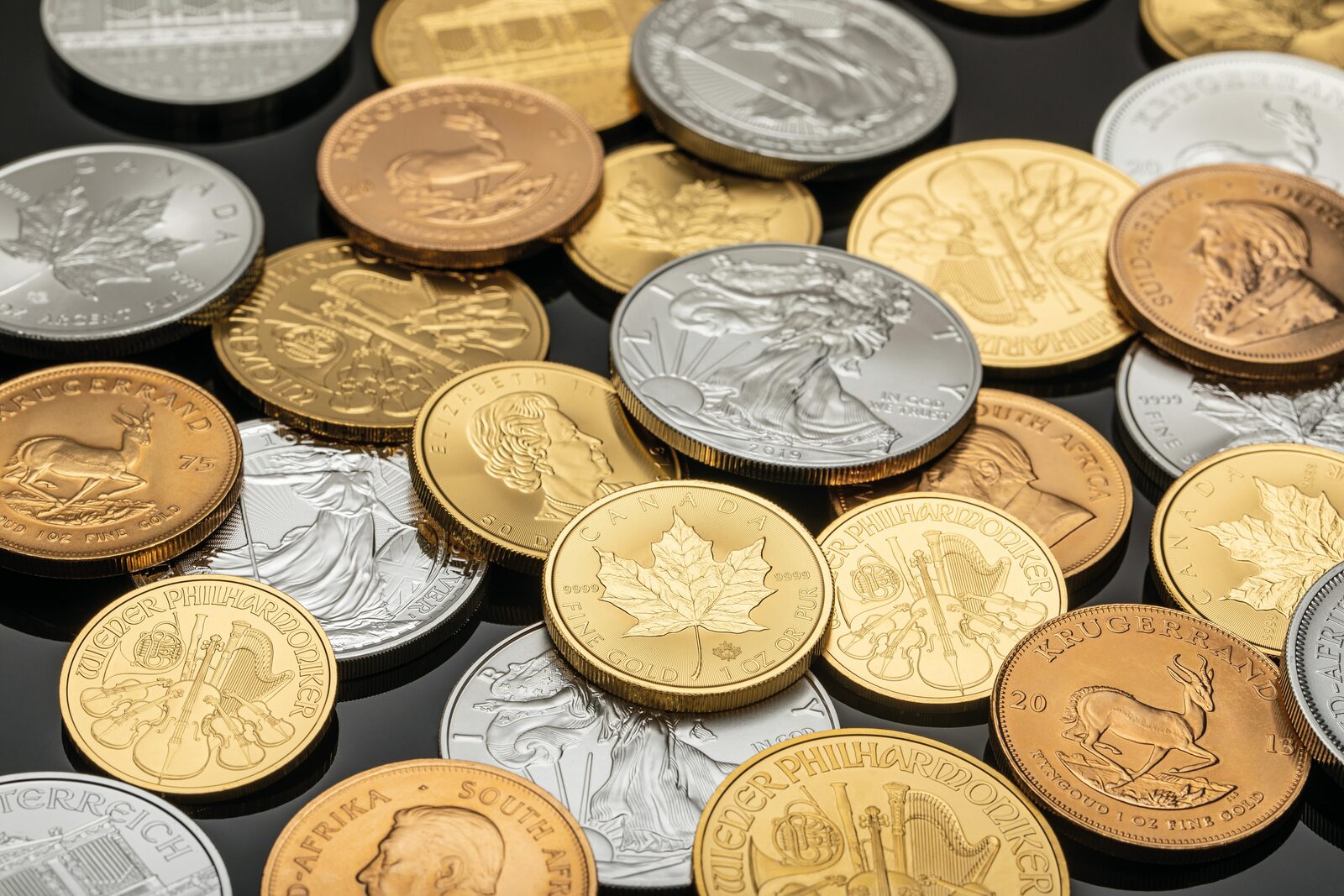
The part of the program with an actual metal floor is the bullion and collector side. The Mint added a Liberty Bell privy mark bearing “250” to 2026 American Eagles, the American Buffalo, and the Morgan and Peace dollars, and the 2026-W uncirculated American Palladium Eagle came with the same anniversary treatment and a 5,000-coin limit.
Here the usual discipline applies. A privy mark does not add metal. A one-ounce Silver Eagle with a bell on it holds exactly the same troy ounce as one without, and whatever you pay above that ounce is a collector premium that the secondary market may or may not honor later. Low mintage plus strong demand has occasionally made those premiums stick, and far more often it has not. If you are new to reading that gap between metal value and asking price, our explanation of how melt value works is the place to start.
For the circulating coins, the sensible approach is the cheap one. Check your change through the end of the year, pull out an example of each design in the best condition you find, and put them somewhere dry. That costs face value. Anything beyond that is a collecting decision rather than a metals decision, and it deserves to be made on those terms.