Most people who own precious metals start with gold, add silver, and then one day notice a third column on the price board. Platinum looks like a natural next step: it is widely used in jewelry and industry, and the U.S. Mint strikes an Eagle in it. Then they try to buy some and discover […]
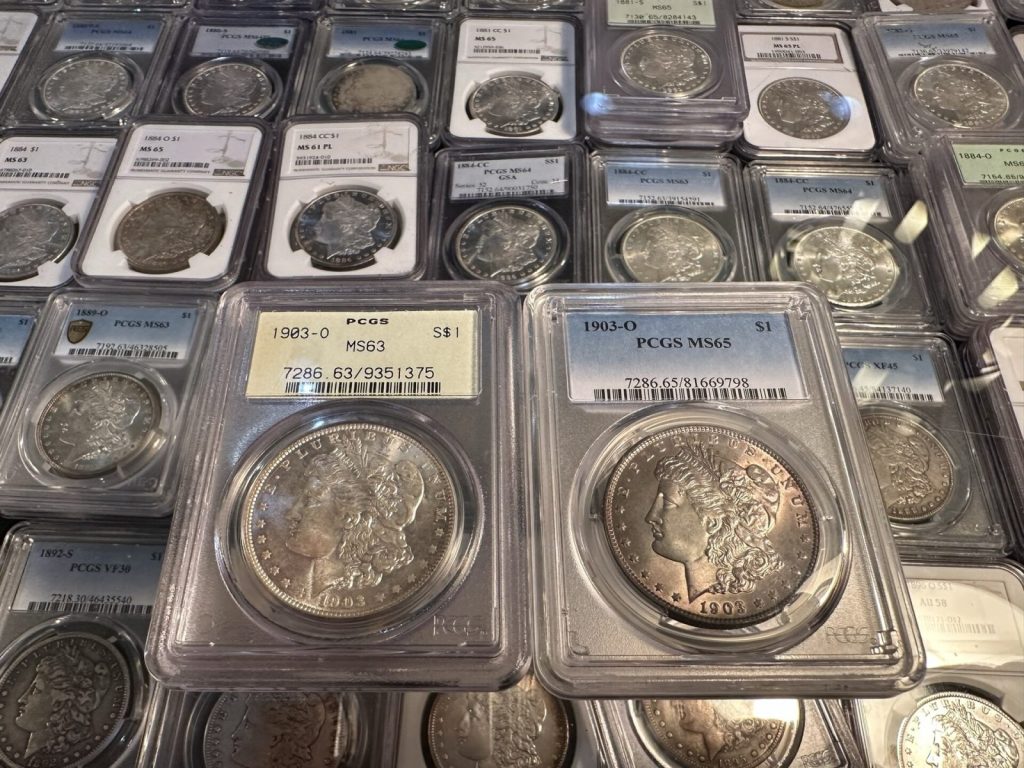
Two 1881-S Morgan dollars can sit in the same case, both sealed in MS65 holders from the same grading service, and trade at prices nowhere near each other. Buyers new to certified coins find that maddening. If a grader already put a number on both, what is left to argue about? A fair amount. The […]
The gold bar in the heist movie, the one an actor can barely lift off a pallet, is a real object with a published specification. It runs to roughly 27 pounds, and almost nobody outside a bank vault has ever owned one. At the other end of the ladder sits a one-gram wafer sealed in […]
Two Morgan dollars sit side by side in a dealer’s case. Same date, same mint, both sealed in PCGS holders, both labeled MS64. One of them has a small green sticker stuck to the front of the slab, and it is priced noticeably higher than its twin. Nothing about the grade on the label explains […]
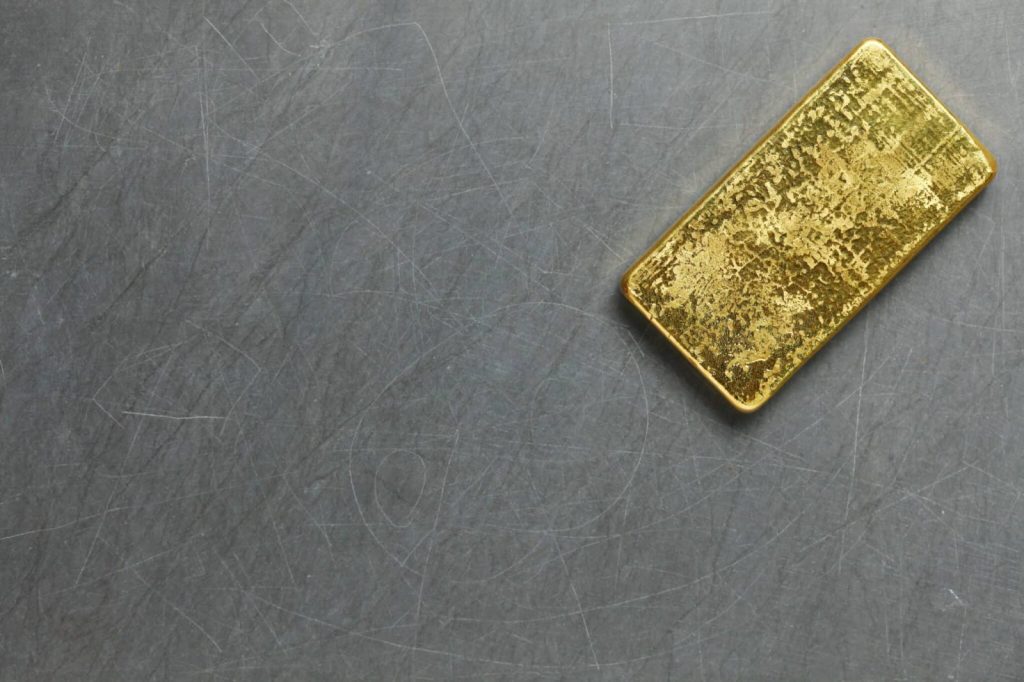
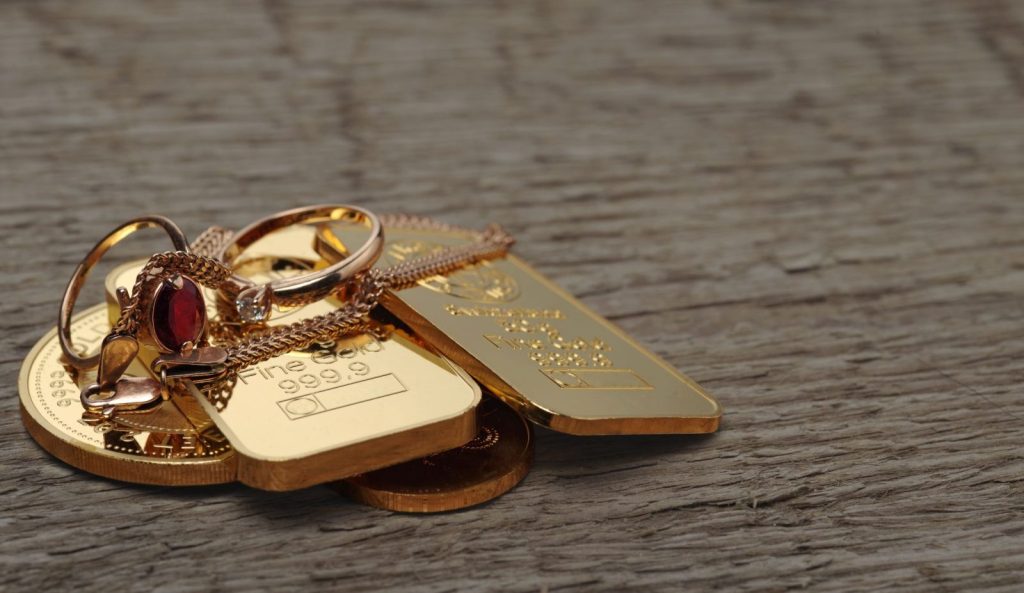
A gold bar looks like the simplest object a person can buy. One rectangle of metal, a weight, a purity, done. Then you actually go shopping and notice the bars do not all look alike. Some are mirror bright with crisp corners and a refiner’s logo pressed cleanly into the face. Others are matte and […]
The mintage figure is usually the first number a buyer looks up, and it is the easiest one to find. Every date and mint mark has one, printed in the catalogs and repeated on every price site, and it carries a pleasant air of certainty. 484,000 struck. 4,450,000 struck. Done. The trouble is that a […]
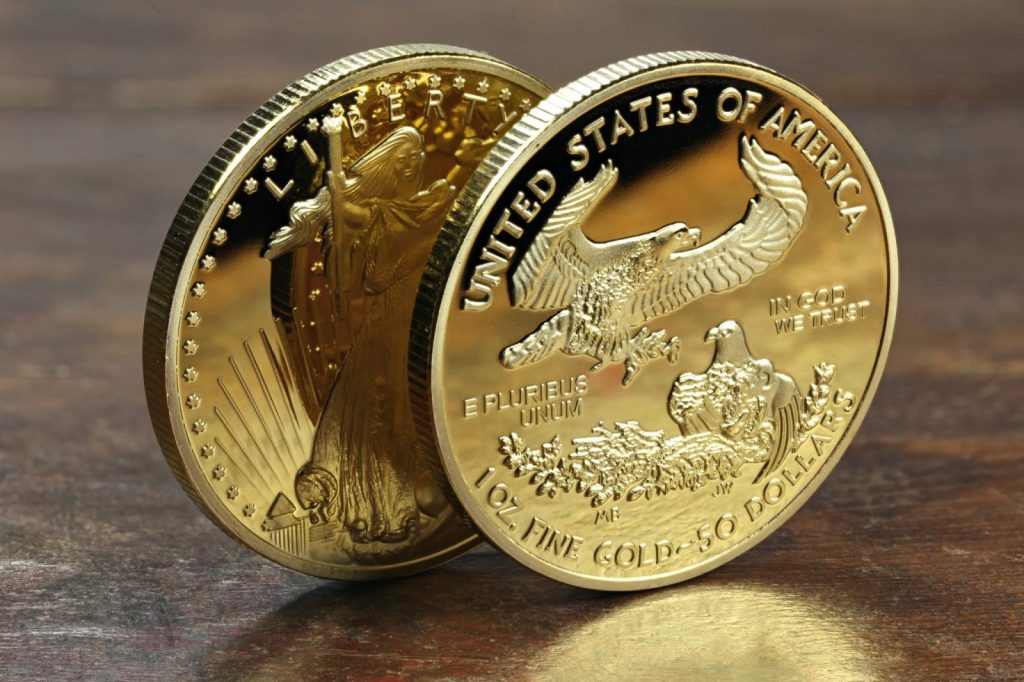
Three American Silver Eagles can sit side by side on the same desk, each holding exactly one troy ounce of .999 silver, each struck at a United States Mint facility, and each carrying a very different asking price. The metal in them is identical. What separates them is the finish: how the blank was prepared, […]
Auction archives are the closest thing the coin market has to a public transaction record. Anyone can look up what a particular date and grade brought last spring, in what holder, and how hard the bidding ran. That transparency is genuinely useful, and it is also easy to misread. The number printed next to a […]
Buy a one-ounce gold bar and you rarely just get the bar. It arrives sealed inside a credit-card-sized plastic holder printed with numbers and a signature. Buy a tube of silver coins and it comes in a capped plastic cylinder; buy in bulk and the whole thing shows up strapped inside a sealed box the […]
Type a coin into one search bar and you get a number. Type it into a different site and you get a different number. A dealer at a show quotes a third. None of them are lying. They are answering slightly different questions, and once you know which question each source is answering, the numbers […]