
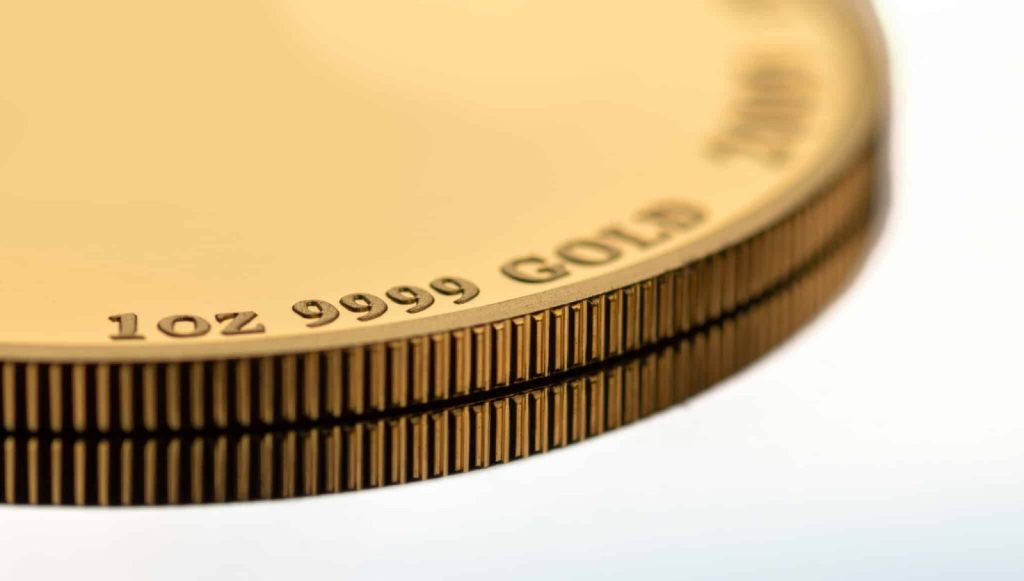
Buy a one-ounce gold bar and you rarely just get the bar. It arrives sealed inside a credit-card-sized plastic holder printed with numbers and a signature. Buy a tube of silver coins and it comes in a capped plastic cylinder; buy in bulk and the whole thing shows up strapped inside a sealed box the mint never opened. That wrapping is not decoration. Bullion packaging carries information, and once you learn to read it, it tells you what you are holding, who made it, and whether anyone has been inside since it left the refinery.
None of this changes the metal itself. A troy ounce of gold is a troy ounce of gold whether it sits in a fancy assay card or a plain coin flip. But packaging affects how easily you can prove what you own, and proof is a big part of what makes physical metal easy to sell again. This piece walks through the three formats you will meet most often and what each one is actually telling you.
Assay cards: a sealed certificate that travels with the bar
Small gold and silver bars, anything from one gram up to a few ounces, usually come sealed in an assay card. The card is a tamper-evident plastic sleeve, and the bar is visible through a window on the front. Printed on the card, and often stamped into the bar itself, you will find a unique serial number, the exact weight, the fineness (.9999 for most modern gold bars), and the mark or signature of the assayer who certified the metal. Refiners like PAMP Suisse, Valcambi, and the old Credit Suisse line built their reputations on this format.
The assay card does two jobs. It certifies, meaning a recognized refiner is vouching in writing for the weight and purity, and it protects, because breaking the seal to get the bar out is obvious at a glance. Some refiners have gone further. PAMP’s Veriscan system treats the bar’s surface like a fingerprint: microscopic ridges and pits unique to that single bar are photographed and stored, and a buyer can scan the bar with a phone app to check it against the refiner’s database. A divisible product like the CombiBar takes the same idea and scores a larger bar into small snap-apart sections, all inside one assay card, so you can break off a gram at a time. If small formats interest you, our look at whether fractional silver is worth the premium covers the trade-offs.
Tubes, rolls, and the monster box
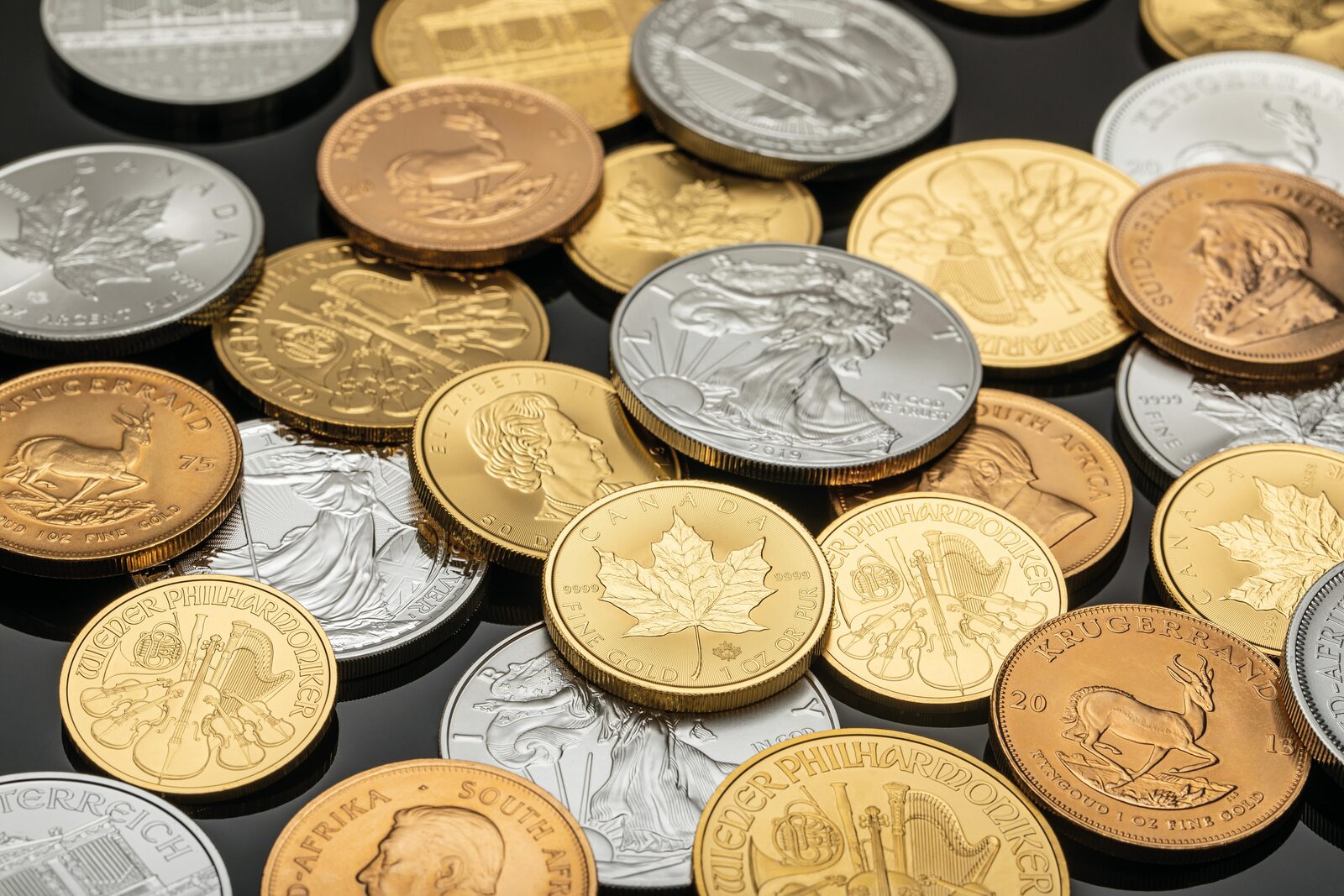
Bullion coins travel differently. Straight from the mint, they are stacked into hard plastic tubes, sometimes called rolls, that hold a fixed number of coins and keep them from knocking against each other. The count is worth knowing, because it is not the same everywhere. A U.S. Mint tube of American Silver Eagles holds 20 coins. The Royal Canadian Mint packs its Silver Maple Leafs 25 to a tube. Same one-ounce coins, different math.
Scale up and you reach the monster box, the standard bulk unit. A sealed U.S. Mint Silver Eagle monster box holds 500 coins: 25 tubes of 20, in a green plastic case closed with strapping tape at the mint. Canada reaches the same 500 a different way, 20 tubes of 25. Gold Eagles and Gold Maple Leafs are sold in their own 20-coin tubes and 500-coin boxes as well. When a monster box is still sealed, the coins inside have, in the dealers’ phrase, never been searched or cherry-picked, and that unbroken seal is exactly what a future buyer looks for. It is a piece of provenance: the box holds what the mint filled, untouched.
Original government packaging and the certificate
Proof and collector coins are a separate world. A proof American Eagle does not arrive in a tube. It comes in what collectors call OGP, original government packaging: a mint presentation case, usually with an outer sleeve, and a numbered certificate of authenticity. Bullion coins, the kind bought for metal content, do not get a certificate; their tube is their packaging. That difference matters at resale. A proof coin with its case and certificate intact is a complete set in a buyer’s eyes, while the same coin loose and without its paperwork is worth less to the collector market even though the metal is identical. Keeping OGP together is one of the quiet habits that protects value. It also matters for retirement accounts, where proof coins generally have to stay in their original packaging with the certificate to qualify; our guide to which coins are IRA eligible gets into those rules.
What bullion packaging can and cannot do
It is easy to overread the wrapper, so a few honest limits. Packaging can be faked. Counterfeiters copy assay cards and serial numbers along with the bars inside, which is why surface-level authentication matters more than a nice-looking sleeve, and why refiner databases and features like Veriscan exist. Packaging is also not metal. You are buying gold and silver, not plastic, and paying a meaningful extra premium for a display case on a plain bullion coin rarely makes sense if your goal is metal per dollar. For stackers focused on the metal floor, an intact tube or assay card is best understood as convenience and authentication, not as added value. With gold near $4,334 an ounce and silver around $64 in early September 2026, the metal is where nearly all the money sits.
Where sealed packaging genuinely helps is trust between strangers. A dealer buying back an unopened monster box or a bar in an undamaged assay card can authenticate it faster and carry less risk, and that can translate into a smoother, tighter buyback. Break the seal and nothing is ruined, especially for ordinary bullion where the metal speaks for itself, but you have given up the shortcut. The same logic runs through how the different physical formats compare on premium and liquidity.
Reading the label before you buy
None of this requires expertise. Check that a bar’s assay card is sealed and that the serial number on the card matches the one on the bar. Note how many coins a tube is supposed to hold so you can count what you receive. Keep proof coins in their cases with their certificates. And hold the wrapper in perspective: it is there to certify and protect the metal, not to replace it. Learn to read bullion packaging and you will buy with more confidence and sell with less friction. To see how these formats show up in real listings, browse the coin catalog, get familiar with how valuation works, and know your options before you sell to a dealer.