
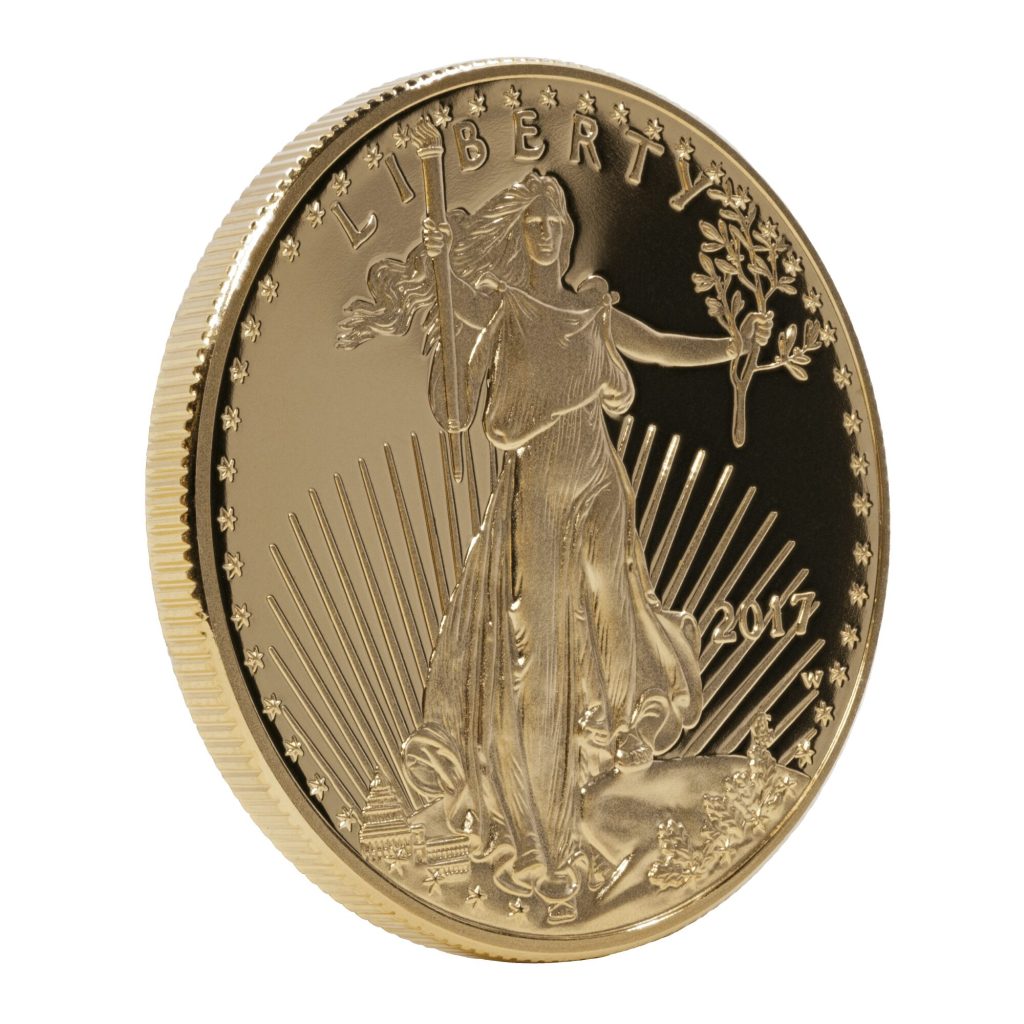
Ask a first-time buyer which gold coin to start with and the answer, more often than not, is the American Gold Eagle. It is the coin dealers reach for, the one most retirement custodians accept, and the design that has sat in more American safe-deposit boxes than any other modern bullion piece. That popularity is exactly why the question deserves a careful answer rather than a reflex. So: are gold eagles a good investment, and what are you actually holding when you own one?
What the American Gold Eagle actually is
The coin arrived in 1986, authorized by the Gold Bullion Coin Act of 1985. Congress wanted an official American gold bullion coin that could compete with the South African Krugerrand and the Canadian Maple Leaf, and it wrote some patriotic conditions into the law. The gold has to come from sources within the United States. The coin is legal tender, and the government guarantees its stated gold weight and purity, which is a large part of why it moves so easily in the resale market.
The Eagle is a family, not a single coin. It comes in four sizes: a one-ounce piece with a $50 face value, a half ounce at $25, a quarter ounce at $10, and a tenth ounce at $5. Those face values are symbolic. The metal in even the smallest coin is worth far more than five dollars. The fractional sizes exist so a buyer can own gold in smaller, more tradable increments, though the smaller you go, the more the manufacturing cost weighs on the price relative to the metal inside.
The 22-karat question
Here is the detail that trips up newcomers. The Gold Eagle is not pure gold. It is struck in 22-karat alloy, 0.9167 fine, with the balance made up of silver and copper. That sounds like a compromise until you look at the weight. A one-ounce Gold Eagle contains a full troy ounce of pure gold, but the whole coin weighs about 1.0909 troy ounces because of the added metal. You are not getting less gold. You are getting a full ounce plus a hard-wearing jacket around it.
The reason is practical. Pure 24-karat gold is soft and scratches and dents with handling. The silver and copper make the Eagle far more durable, which matters for a coin meant to be stacked, shipped, and traded. If you specifically want a 24-karat American coin, the Mint makes one: the American Buffalo, struck in 0.9999 gold. Many buyers still prefer the Eagle’s toughness, and the two coins track the same underlying gold price.
The designs, and why 2021 split them in two
The obverse carries one of the most admired images in American coinage: Augustus Saint-Gaudens’ full-length Liberty, torch in one hand and olive branch in the other, lifted from the celebrated Saint-Gaudens double eagle of 1907. Theodore Roosevelt pushed for that original design because he thought U.S. coins had grown dull, and eight decades later the Mint brought it back for the Eagle program.
For its first thirty-five years the reverse showed a family of eagles by the sculptor Miley Busiek Frost: a male eagle carrying an olive branch to a nest where a female and two eaglets wait. It was meant as a tribute to the American family. In 2021 the Mint refreshed the series, and coins from that year exist in two versions. Type 1 uses the original Busiek reverse. Type 2, introduced partway through the year, carries a close-up portrait of an eagle’s head by the artist Jennie Norris. Collectors pay attention to which is which, especially for the 2021-dated coins that bridge the change.
Are gold eagles a good investment?
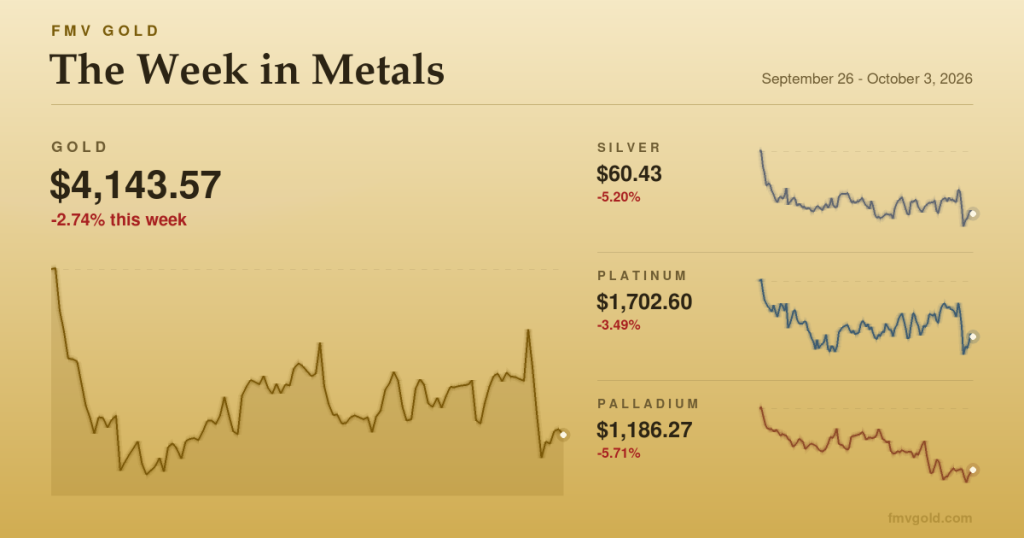
The honest framing starts with what the coin is for. A Gold Eagle is a way to own physical gold, so its value floor is the metal itself. With gold trading around $4,000 an ounce in mid-2026, the gold in a one-ounce Eagle is worth roughly that as raw metal, and that melt value rises and falls with the spot price minute by minute. What you pay above that floor is the premium, which covers minting, distribution, and the coin’s easy resale. This site does not quote coin prices or dealer figures, and you should be skeptical of anyone who leans on the face value or a fixed markup to make a sale.
Where the Eagle earns its reputation is liquidity and recognition. Because the design is so familiar and the weight is government-backed, a Gold Eagle is one of the simplest gold products to sell later, often at a tighter spread than a generic round or an unfamiliar foreign coin. For anyone thinking about gold as a long-horizon hedge rather than a trade, that recognizability has real value. To understand how melt value, spot, and premium fit together before you buy, our rules of gold and how it works pages walk through the mechanics, and the markets page tracks the spot backdrop.
One more point matters for retirement savers. Most gold in an IRA has to meet a 0.995 fineness standard, which a 22-karat coin fails. The Gold Eagle is the deliberate exception. Under Internal Revenue Code section 408(m)(3)(A), the Eagle is named directly through a cross-reference to federal coinage law, so it qualifies for a precious-metals IRA despite its lower fineness. Its sibling, the Silver Eagle, gets the same statutory treatment. None of this is investment advice, and whether gold belongs in your plan at all is a personal question, but the Eagle’s IRA eligibility is one concrete reason it stays popular.
Bullion, proof, and burnished versions
Not every Gold Eagle is the same product. The standard bullion coins are made for stacking and priced close to the metal. The Mint also strikes proof and burnished uncirculated versions at West Point, aimed at collectors, with mirror fields or a soft matte finish and lower mintages. Those command higher premiums, but that premium is collector demand, not extra gold. A proof one-ounce Eagle holds the same troy ounce as a plain one. If your goal is metal exposure, the plain bullion coin does the job for less. If you also enjoy the object itself, the collector versions are there. You can browse the full American Gold Eagle range to see how the sizes and finishes differ.
So, are gold eagles a good investment? As a clean, liquid, government-backed way to hold physical gold, the Eagle is about as straightforward as the category gets, which is why it has stayed the default American choice for forty years. It will not outperform the metal it contains, and it carries a premium you pay going in. Judge it as gold, understand the floor and the premium, and it earns its place for what it is.