

The gold bar in the heist movie, the one an actor can barely lift off a pallet, is a real object with a published specification. It runs to roughly 27 pounds, and almost nobody outside a bank vault has ever owned one. At the other end of the ladder sits a one-gram wafer sealed in a blister pack. Between those extremes are half a dozen standard weights, none of them arbitrary. Each exists because some part of the market needed a unit that size.
Where a bar sits on that ladder tells you most of what matters about it: what you will pay above the metal, who will buy it back, and whether you can turn part of your holding into money without unwinding all of it. That last question is the one people tend to think about last and regret first.
The gold bar sizes you will actually encounter
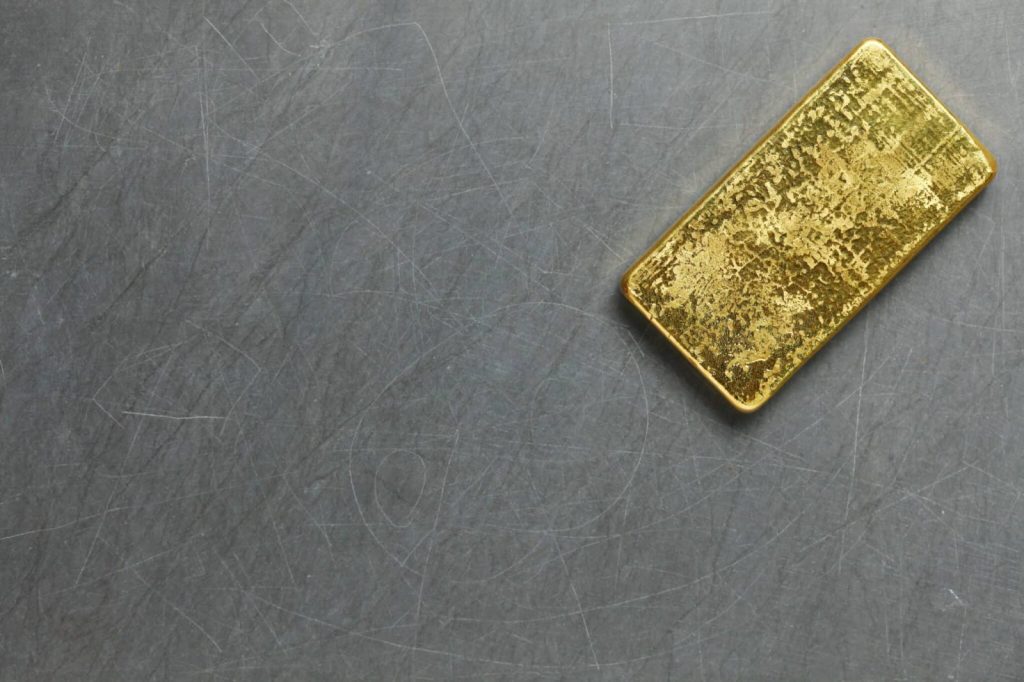
Retail bars cluster around a handful of weights. At the small end are gram bars, typically 1, 5, 10, 20, 50 and 100 grams, usually sealed in a tamper-evident assay card. Then comes the one-ounce bar, which is the workhorse of the category. Above that sit the 10-ounce bar and the kilo bar, which holds 32.15 troy ounces and weighs about 2.2 pounds. The kilo is where the retail ladder effectively ends and the wholesale market begins.
Beyond it is the 400-ounce bar, the one from the movies. It is not sold in retail quantities and is not meant to be. It is a wholesale settlement unit with a rulebook attached.
Why the premium thins as the bar gets heavier
A refiner incurs much the same cost stamping a one-gram wafer as a one-ounce bar. The refining, the assay, the die work, the packaging, the paperwork and the insured shipping are largely fixed per piece rather than per ounce. Spread those costs across more metal and the percentage above spot falls. That is the whole mechanism, and it is remarkably consistent across the range.
In practice, gram bars carry the heaviest percentage markups in bullion, one-ounce bars sit in the middle, and kilo bars trade at low single-digit percentages over spot. None of this is a discount in the retail sense. You are buying a product with less packaging and handling per ounce, and paying for exactly that. Our how it works page covers the same logic from the valuation side, and the comparison of bars, coins and rounds shows how format, separate from size, moves the premium too.
The 400-ounce bar and the Good Delivery standard
The London Bullion Market Association sets the specification the wholesale market settles against, and it explains why the big bar looks the way it does. A Good Delivery gold bar must contain a minimum of 350 fine troy ounces and a maximum of 430, which works out to roughly 10.9 to 13.4 kilograms. Minimum fineness is 995.0 parts per thousand. The dimensions are specified with tolerances, around 250 mm long, 70 mm wide and 35 mm tall, with an undercut angle between 5 and 25 degrees so the bars stack and release cleanly. Each bar carries the refiner’s stamp, an assay mark, the fineness to four significant figures, a serial number of up to 11 characters and the month and year of manufacture in MMYY form. Characters must be at least 12 mm tall, and for new bars from January 2026 the stamps must sit at least 10 mm in from the edge.
Notice that the weight specification is a range, not a number. A 400-ounce bar is not 400 ounces. It is cast to approximately that weight, weighed precisely, and traded on its actual fine gold content. The “400 oz bar” is shorthand, not a measurement.
The other thing the standard buys is a chain of custody. As the LBMA puts it, a bar “only becomes and remains London Good Delivery to the extent that a vault manager is willing to accept such a bar into the London vault.” Coming from an accredited refiner is not sufficient on its own. The bar has to stay inside a system of approved vaults that will vouch for it, which is precisely why a Good Delivery bar sitting in a private safe is a more complicated asset than one sitting in London.
Silver runs the same ladder, only heavier
Silver retail sizes mirror gold’s: one ounce, 10 ounce, kilo, and then the 100-ounce bar, which is the common large retail format and already awkward enough that most buyers stop there. The wholesale unit above it is the 1,000-ounce bar, nominally 1,000 troy ounces with a 10 percent tolerance either way and a minimum fineness of 999.0. That bar weighs about 31 kilograms, or roughly 68 pounds. Two people and a plan.
Because silver is so much cheaper per ounce, the fixed-cost effect that shapes gold bar sizes bites harder here. The proportional gap between a small silver bar’s premium and a large one’s is wider than the equivalent gap in gold. That is the main argument for going big in silver, and the main reason so many holders end up with bars they cannot sell in pieces. The fractional sizes discussion makes the same tradeoff from the opposite direction.
The divisibility problem, illustrated by the futures market
Here is the cleanest demonstration of why size cuts both ways. The COMEX gold futures contract covers 100 troy ounces with a 5 percent weight tolerance, and it can be satisfied by delivering either one 100-ounce bar or three one-kilo bars, assaying to at least 995 fineness and bearing an exchange-approved brand. Approved depositories weigh each 100-ounce bar to a thousandth of a troy ounce. Silver’s contract is 5,000 troy ounces, delivered as five 1,000-ounce bars with a 10 percent tolerance each.
Then there is the Enhanced Delivery contract, listed on COMEX in April 2020, which accepts 100-ounce bars, kilo bars or 400-ounce bars. A 400-ounce bar cannot settle a 100-ounce contract on its own, so the exchange issues four Accumulated Certificates of Exchange against it, each standing in for one contract’s worth. The exchange, in other words, had to invent a piece of paper to divide the bar, because you cannot saw a Good Delivery bar into quarters without destroying the markings, the serial number and the chain of custody that made it worth holding.
A private holder faces the same problem with no certificate to fall back on. A kilo bar sells whole or not at all. Need a fraction of its value and you sell the bar and hold the change, or you sell something else. That matters most in estates divided among heirs, where a stack of one-ounce units splits cleanly and a single large bar does not. Keep the assay card and original packaging intact, since the documentation that travels with a bar is part of what a buyer checks.
Matching a size to a purpose
- Gram bars. Gifts, keepsakes, a first purchase to see what metal feels like in the hand. Too heavy a premium for accumulating real weight.
- One ounce. The sensible default. Low enough premium to be efficient, small enough that any dealer anywhere will make a market in it.
- Ten ounce. For holders who have settled the storage question and want better metal per dollar without losing all flexibility.
- Kilo. Buy-and-hold positions in secure storage, held by people who do not expect to need a partial sale.
- 400 ounce gold and 1,000 ounce silver. Institutional and professional vaulting. If you are asking whether you want one, you do not.
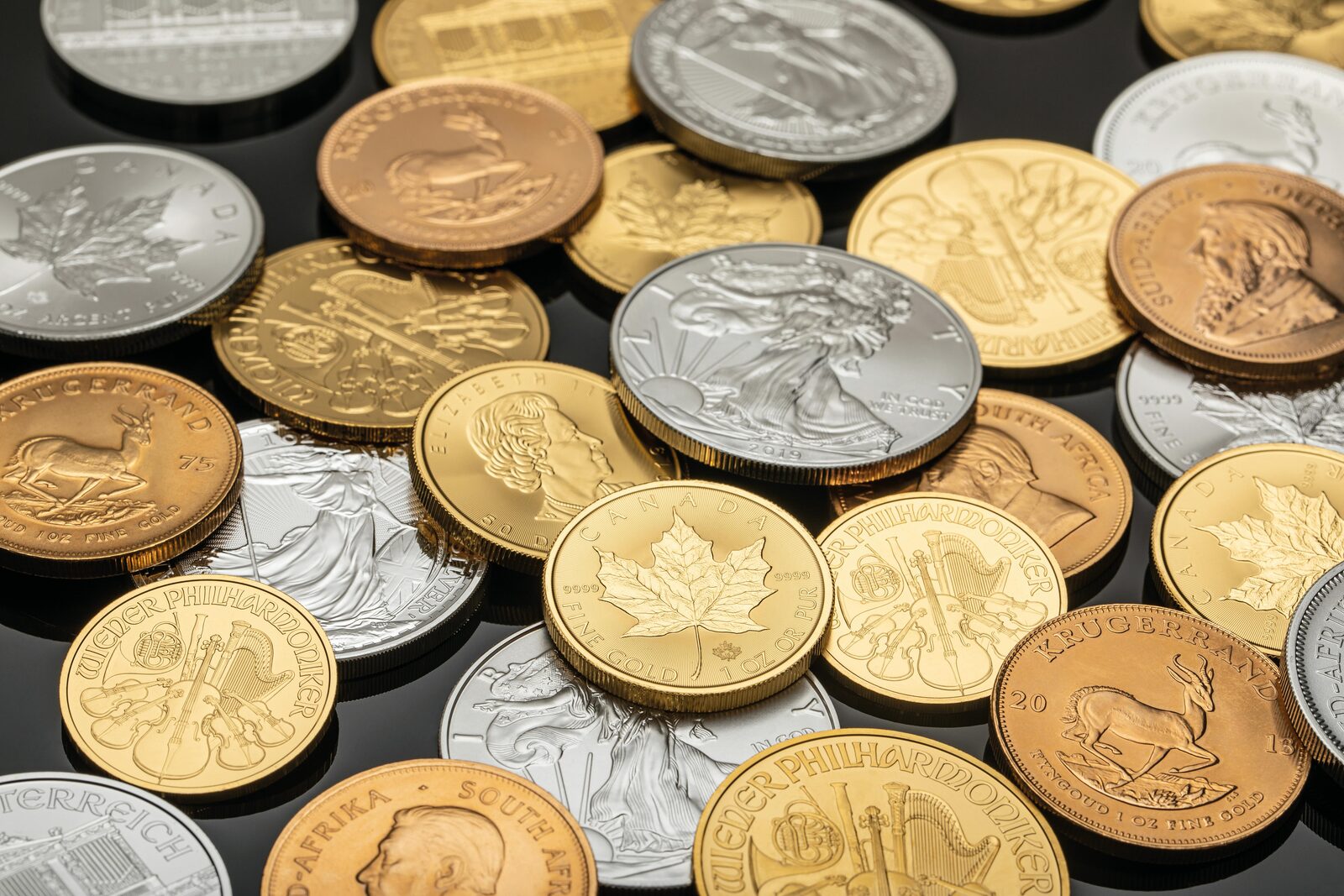
Most holders end up mixing sizes on purpose, keeping the bulk of a position in whatever unit is cheapest per ounce and a meaningful slice in one-ounce pieces for the flexibility. Sovereign coins do that job well too, since a Gold Eagle is recognized on sight in a way a private refiner’s bar sometimes is not, and the coin route carries its own considerations around retirement account eligibility.
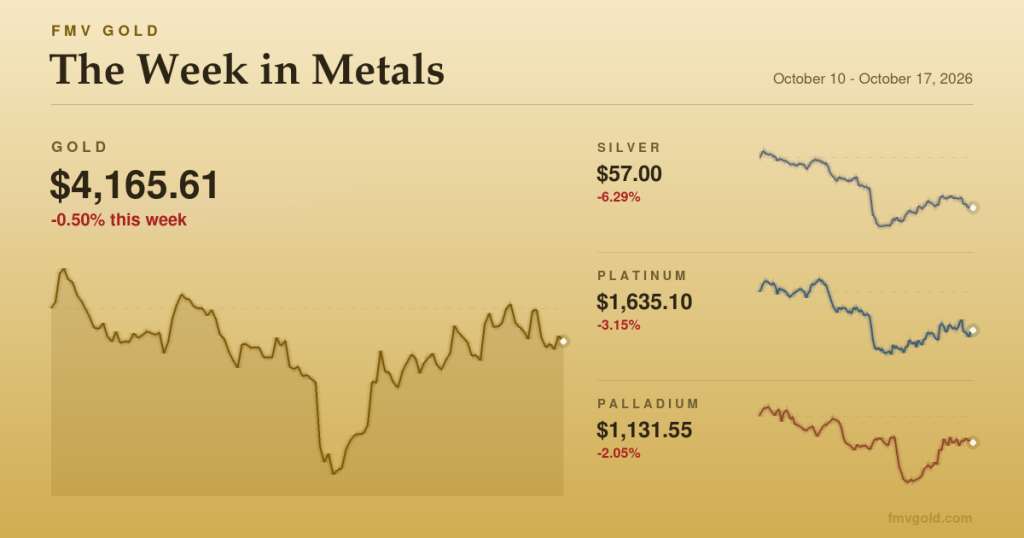
Whatever mix you land on, price the decision against the metal rather than the sticker. Our market data and the rules of gold are built around that habit. Gold bar sizes are a question of logistics, and the metal in a gram wafer is the same metal sitting in a London vault. What changes up the ladder is how much of your money buys gold and how much buys convenience.