
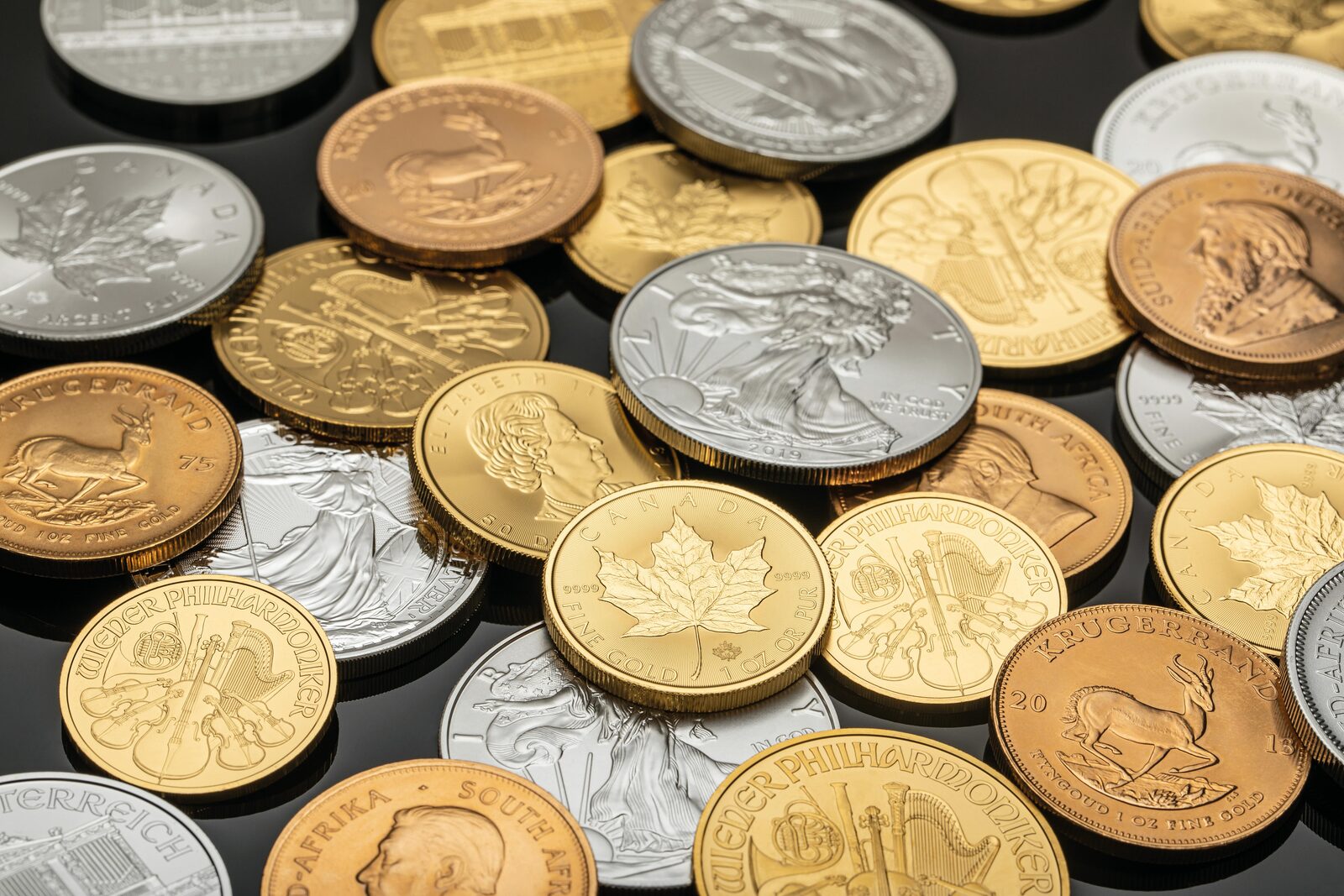
Most people who own precious metals start with gold, add silver, and then one day notice a third column on the price board. Platinum looks like a natural next step: it is widely used in jewelry and industry, and the U.S. Mint strikes an Eagle in it. Then they try to buy some and discover the shelf is nearly empty compared with what they are used to.
That thin shelf is the most useful thing to understand about platinum bullion. The metal behaves differently from gold and silver, the products are fewer, and the format you choose matters more. Here is what is actually available, how it is made and traded, and what a holder should weigh before adding a platinum position.
What platinum bullion is available to buy
Retail platinum comes in the same three broad formats as the other metals: government coins, private bars, and a smattering of rounds. The difference is depth. A gold buyer can choose among dozens of sovereign coins and hundreds of bar brands. A platinum buyer is mostly choosing among a handful of coins and a short list of refiners, usually in one-ounce sizes.
Two government coins carry most of the weight in North America.
The American Platinum Eagle
The Platinum Eagle arrived in 1997, the product of a plan the American Numismatic Association, the Platinum Guild International, and the Mint drafted in 1995 and Congress approved two years later. Its legal footing is unusual. The authority sits in 31 U.S.C. 5112(k), which lets the Treasury Secretary set the specifications, quantities, and designs of platinum bullion and proof coins. That flexibility shows most in the proof series, as you will see below.
The bullion coin is .9995 fine. John Mercanti designed the obverse portrait of the Statue of Liberty, and Thomas D. Rogers Sr. designed the bullion reverse, a bald eagle soaring over a rising sun. At launch it came in four sizes: one ounce ($100 face value), half ounce ($50), quarter ounce ($25), and tenth ounce ($10).
The history since then is a lesson in how fragile a small product line can be. The fractional sizes were dropped after 2008. Bullion production then stopped altogether from 2009 through 2013, and the Mint only resumed one-ounce bullion sales on March 10, 2014, citing customer demand. Since 2014 the bullion coin has been one ounce only. Bullion Eagles reach the public through the Mint’s Authorized Purchasers, while proofs are sold by the Mint directly. Collectors know the proof series for its changing art: the reverse rotated through themed designs from 1998 to 2016, and since 2018 the obverse has been the side that changes.
The Canadian Platinum Maple Leaf
The Royal Canadian Mint got there first. Its Platinum Maple Leaf went on sale in November 1988 in one, half, quarter, and tenth-ounce sizes, with a twentieth-ounce coin added in 1993. Like the Eagle, it went quiet for a stretch, with no coins struck from 2003 through 2008. When it came back in 2009 it returned as a one-ounce coin only, and at .9999 fineness rather than the original .9995.
Notice the pattern. Both flagship platinum coins lost their fractional sizes, and both paused production for years. It is a fair sign of how shallow the retail demand for platinum can be.
Platinum bars
Private refiners also make platinum bars in small retail sizes. Bars carry lower percentage premiums than coins for the same reason they do in gold: fixed minting and packaging costs are spread over more metal. The tradeoff is the same too, only sharper. A larger bar is harder to sell in a smaller market.
How the wholesale platinum market is built
Behind the retail products sits a professional market with its own rulebook. The London Platinum and Palladium Market maintains a Good Delivery list of accepted refiners. A Good Delivery platinum plate or ingot must weigh between 1 kilogram (32.151 troy ounces) and 6 kilograms (192.904 troy ounces), be at least 99.95 percent platinum, and carry the producer’s mark, the letters PT or PLATINUM with a purity stamp, a serial number, the year of manufacture, and the weight.
The U.S. futures market uses a similar standard. The NYMEX platinum contract covers 50 troy ounces with a 10 percent weight tolerance, deliverable as cast plate or ingot of at least 99.95 percent purity from an exchange-approved brand, with no individual piece under 10 ounces. Those numbers explain the retail fineness you see. The .9995 on an Eagle is the wholesale standard, carried down to the coin.
Why platinum bullion behaves differently from gold
Gold is held mainly as money and jewelry. Platinum is first an industrial metal. According to the World Platinum Investment Council, total platinum supply in 2025 was about 7.2 million ounces, of which roughly 5.6 million came from mines and the rest from recycling. Automotive demand, mostly catalytic converters, was the single largest category at about 3 million ounces, ahead of jewelry at about 2.2 million and other industrial uses at about 1.9 million. Investment of every kind came to about 1.2 million ounces.
Supply is just as concentrated. South Africa refined close to 4 million of those 5.6 million mined ounces, around 70 percent, a share other analysts put at about the same level. The WPIC also counted 2025 as the third straight year in which demand exceeded supply, with a shortfall of roughly 1.1 million ounces drawn from above-ground stocks.
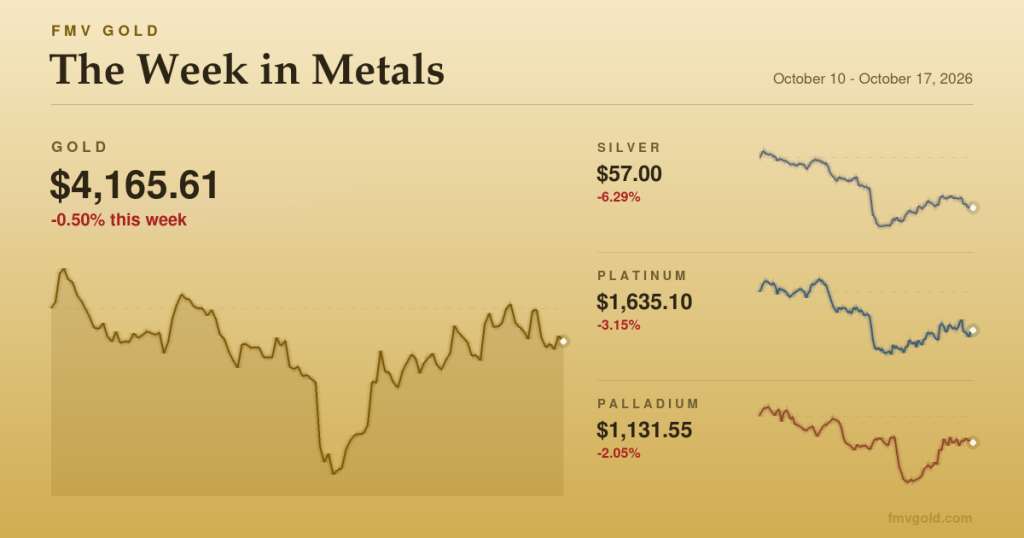
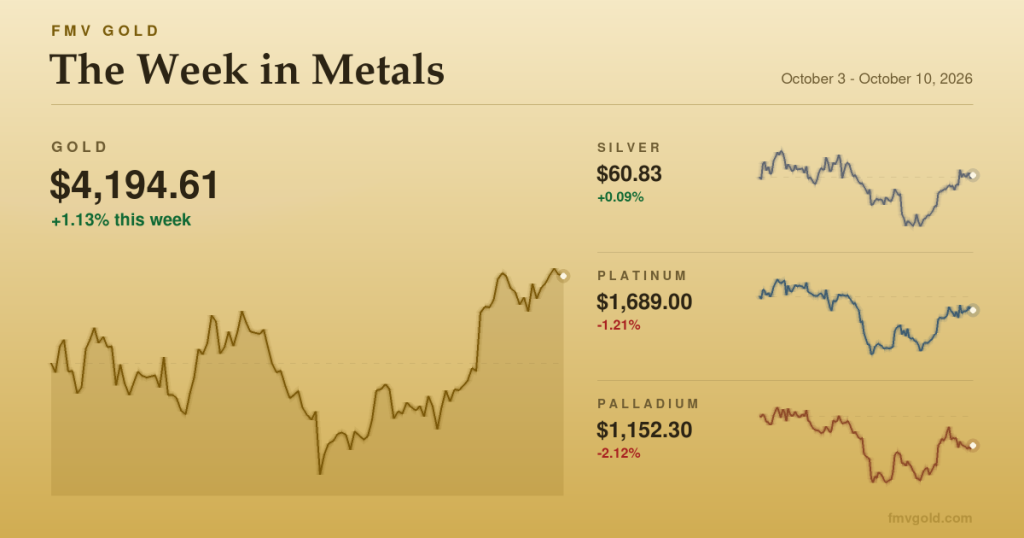
For a holder, that profile cuts two ways. The price can respond to things gold barely notices: car production, emissions rules, a mining strike in one country. It can also move independently of gold and silver altogether, which is the case for owning some and the reason to keep the position measured. None of this predicts where the price goes next.
Premiums, spreads, and selling later
Every structural fact above shows up in the premium. With fewer mints making platinum coins, smaller dealer inventories, and retail demand that comes in bursts, platinum premiums run structurally wider than gold’s. One premium tracker puts typical platinum coin premiums somewhere between the high single digits and the mid-20s in percentage terms, with bigger swings when supply is disrupted. The years the Mint stopped striking Eagles are a good example: when a product disappears and then returns, the premium tends to jump.
The resale side matters just as much. Platinum is less liquid than gold or silver, and the buyback spread tends to be wider, particularly at shops that see little platinum. Recognized one-ounce government coins are generally the easiest platinum to sell back, which is why a modest premium for an Eagle or a Maple can be worth paying over an obscure bar. Our guides to how valuation works and the rules of gold explain why the round trip, what you pay plus what you get back, is the number that counts.
A few practical notes for a first platinum purchase:
- Favor recognition over the lowest sticker. A sovereign one-ounce coin or a bar from a Good Delivery refiner will be easier to authenticate and sell.
- Expect a smaller coin than you are used to. Platinum’s density is about 21.45 grams per cubic centimeter against gold’s 19.3, so an ounce of it takes up less room.
- Check retirement-account rules before you buy. Platinum held in an IRA must meet a .9995 fineness standard, and the Platinum Eagle is eligible. Our piece on which coins are IRA eligible covers the details.
- Keep the position sized for a thin market. Platinum is a complement to a gold and silver core, and its market is small enough that selling a large holding all at once may take patience.
Where platinum fits among your formats
If you already understand bars, coins, and rounds and the logic of bar sizes from one ounce to Good Delivery, platinum bullion follows the same rules with the dial turned up. Premiums are higher, choices are fewer, and liquidity favors the most recognizable one-ounce pieces. Before buying, it helps to watch the spot price on our markets page for a while and see how differently platinum moves from gold, browse the coin catalog, and compare a few sellers in the dealer directory. Melt value sets the metal floor for any of these products; what you pay above it is a premium, and in platinum the premium deserves more attention than usual.