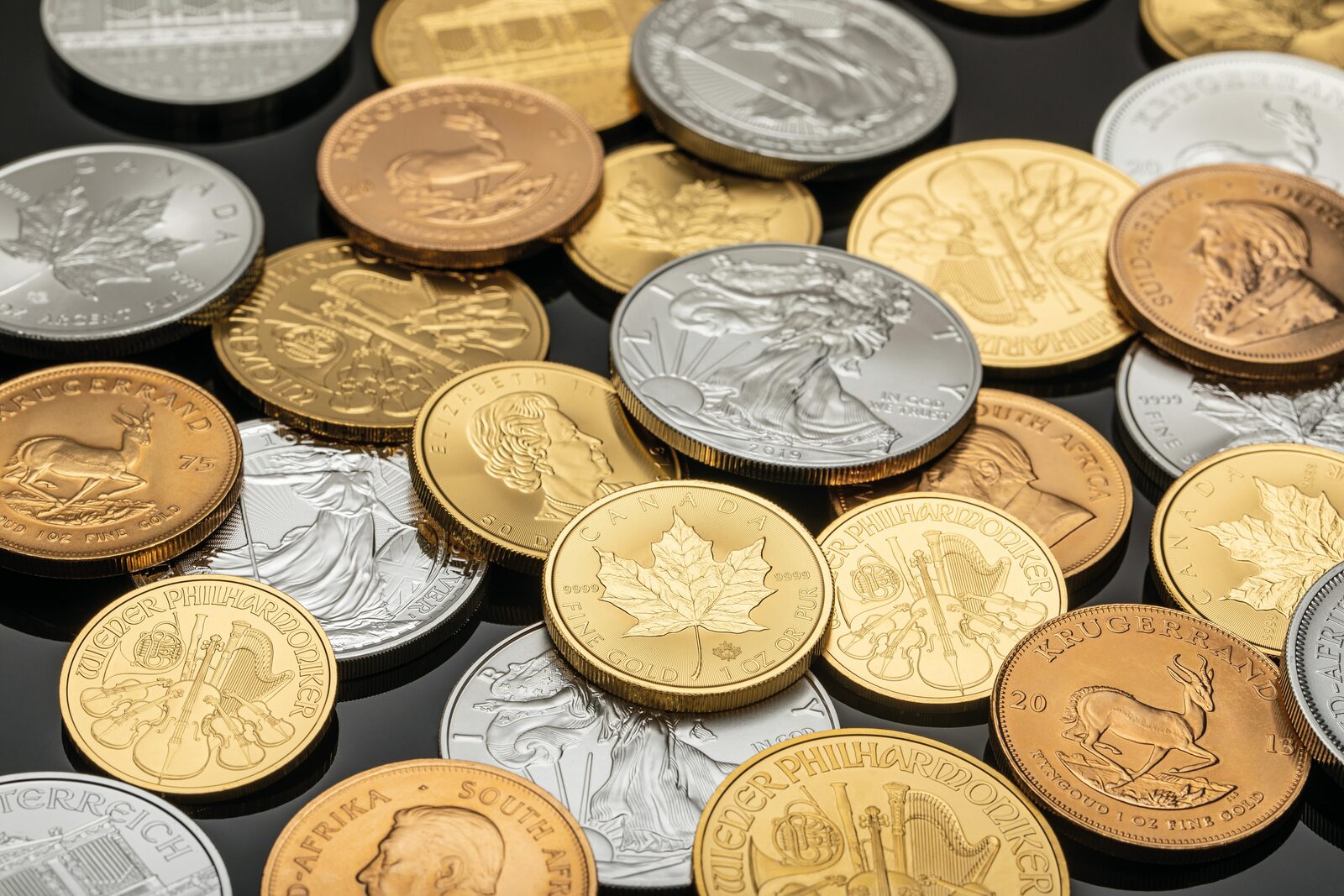


Two American Silver Eagles can sit side by side in the same case, hold the same troy ounce of .999 silver, and carry different price tags. One is a brand-new coin fresh from this year’s production. The other changed hands a few years ago and came back to a dealer’s counter. Same metal, same design, different premium. The gap between them is the difference between the primary and the secondary market, and understanding it is one of the quieter ways a buyer keeps more metal per dollar.
What the primary market really means
The primary market is brand-new product moving out of the mint for the first time. Here is the part that surprises most first-time buyers: the U.S. Mint does not sell its bullion Eagles or Buffalos to the public at all. It distributes them through a small network of firms called Authorized Purchasers, and the Mint is not currently accepting new ones. The Authorized Purchasers buy in bulk straight from the Mint, then feed wholesalers, financial institutions, and retail dealers, who finally sell to you.
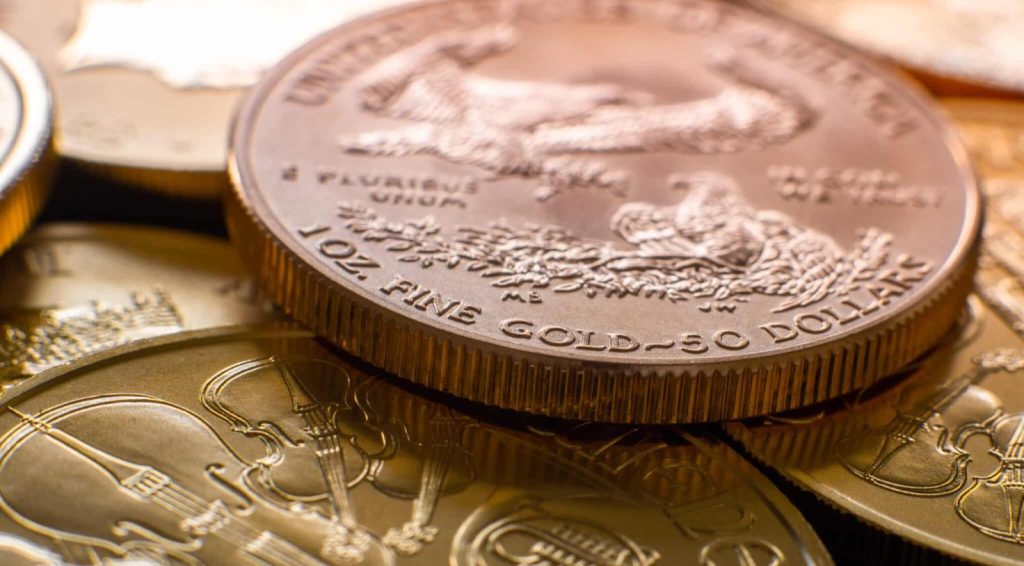
Those Authorized Purchasers do not pay a retail markup. They pay the metal’s benchmark price plus a fixed premium set by the Mint. For gold Eagles that manufacturer premium runs roughly 3 to 9 percent over the London gold price depending on the coin’s size, with the smallest fractional pieces carrying the steepest percentage. Silver Eagles carry a small fixed premium per coin rather than a percentage. That is the first brick in the wall of premium, and every layer of the distribution chain after it adds a little more to cover handling, financing, and margin.
So when you buy a current-year coin new, you are paying for freshness and for that whole chain. The coin arrives untouched, in original Mint packaging: tubes of 20 gold or 25 silver, sealed 500-coin monster boxes, assay-carded bars. It has never been owned, graded, or second-guessed. For a lot of buyers that certainty is worth the extra few percent. If you want the mechanics of how any premium is built, our explainer on the premium over spot walks through it piece by piece.
What secondary market bullion actually is
Secondary market bullion is metal that has already been owned once. Someone bought coins or bars, held them, and later sold them back. A dealer buys that metal from the public and resells it. Because the dealer acquired it near the metal’s melt value, often at or just below spot, there is room to offer it again at a slimmer markup and still earn a margin. That is why secondary market coins usually list below new ones for the identical metal content.
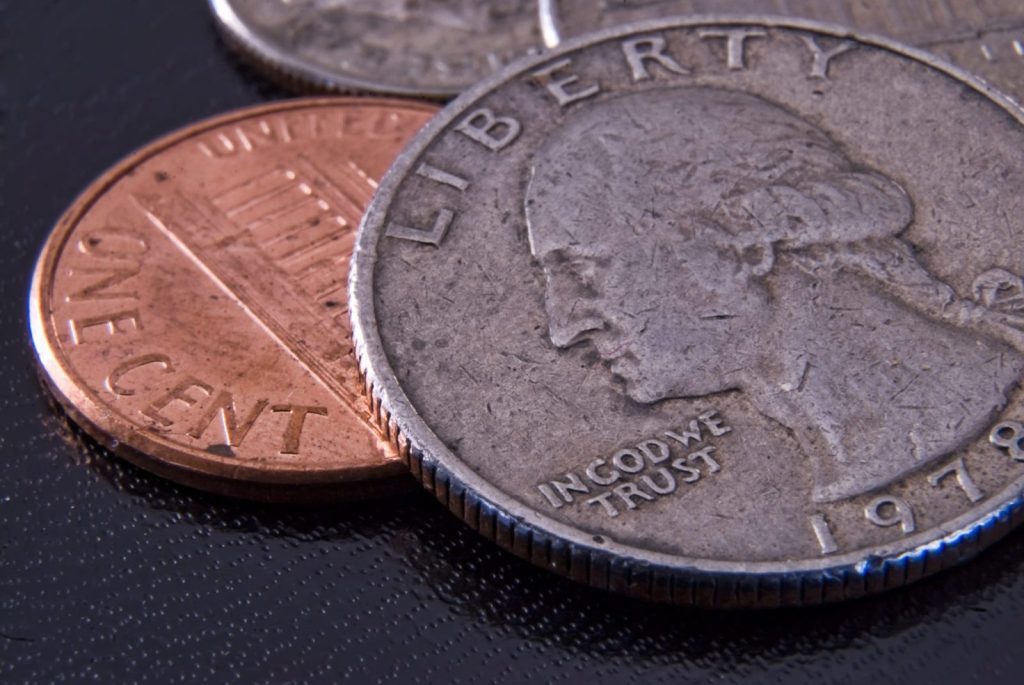
The trade-off is cosmetic and informational, not material. Secondary coins may show light handling: a few contact marks, a bit of toning on silver, the odd milk spot. None of that changes the weight or fineness, and a proper melt calculation treats a scuffed one-ounce coin exactly like a pristine one. What you give up is the pristine look and the sealed provenance, and in exchange you pay less over the metal. Many large buyers who care only about ounces prefer “backdated” or secondary Eagles for exactly this reason.
A word of caution comes with the discount. Because secondary metal has left the sealed chain, the buyer carries a little more responsibility to verify it. Weight, dimensions, magnetism, and the ping of a genuine coin all matter more when the original packaging is gone. Buying from an established dealer that authenticates its inventory closes most of that gap. Our guide to how buying works covers where to be careful.
Why the new-coin premium usually sits higher
Put the two side by side and the reasons the primary premium runs richer line up quickly. New product carries the Mint’s manufacturer premium plus the markup of every hand between the Mint and you. It shows up in factory-sealed packaging that buyers pay a touch extra to keep intact. It is the current design and current date, which the market treats as the default. And it is guaranteed untouched, which removes the small authentication burden a secondary coin can carry.
Secondary metal skips most of that. It re-enters through a dealer’s buyback desk rather than the Mint’s distribution chain, so it sheds a layer or two of markup on the way back to a display case. For pure accumulation, buying the same government coin one date older is often the cheapest honest way to add ounces. That logic is closely related to how the dealer’s bid-ask spread works, since the buyback price on one side of the counter becomes the resale premium on the other.
When secondary market bullion costs more, not less
The lower-premium rule holds until scarcity walks in, and then it can flip hard. A coin that has left the primary market is a fixed, finite population. Nobody is minting more 2019 dated Eagles. If demand for a particular issue outruns what is floating around, the secondary premium climbs, sometimes well past what a current-year coin costs.
A few situations reliably push secondary market bullion above new product:
- Sold-out current issues. When the Mint or its Authorized Purchasers run dry mid-year, the only coins left are in private hands, and those hands set a higher price.
- Low-mintage years and key dates. A year with a small production run trades above common dates even in plain bullion grade, because collectors and stackers both want it.
- Special finishes and one-year types. Burnished, reverse-proof, and first or last year of a design draw premiums the base bullion coin never sees.
- Sealed original packaging. An intact, unopened monster box or a full original tube often commands more than the same coins sold loose, because the sealed packaging is its own small proof of provenance and untouched condition.
This is where the line between bullion and collectible starts to blur, and premiums stop tracking the metal and start tracking scarcity. The same forces show up in a sharper form during supply crunches, which we covered in why premiums can spike during shortages.
Which one should you buy
There is no universally right answer, only a right answer for your goal. If you are stacking ounces and the metal is the whole point, secondary market coins and backdated government issues usually give you more gold or silver per dollar, and a light mark or two costs you nothing at melt. If you want a gift, a pristine current-date coin, sealed packaging, or the simplest possible authentication story, the primary market earns its slightly higher premium.
What you should not do is assume new automatically means better metal or that secondary automatically means compromised. Gold is gold and silver is silver. The premium you pay is buying newness, packaging, and distribution on one side, or a modest discount and a small verification task on the other. Decide which of those you actually value, then compare live premiums rather than sticker prices. You can watch how those premiums move on our markets page, browse current Silver Eagle listings, and check the ground rules for buying in your state under rules of gold.
The metal never cares where it has been. Your wallet, once you know what each premium is really paying for, can afford to.