
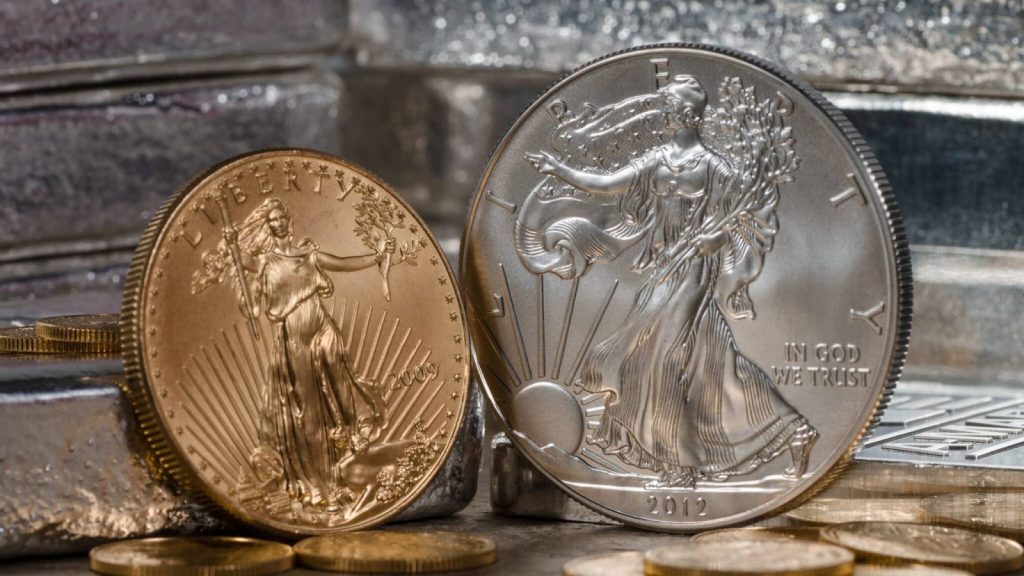
Most buying guides stop at the purchase. You compare premiums, pick a coin, and the story ends when the package arrives. But every ounce you buy is half of a round trip. Sooner or later, you or your heirs will sell, and the form you chose years earlier decides how fast that happens and how much of the metal value you get back. Liquidity is the quiet half of the trade, and it is worth thinking about before you buy, not after.
What liquidity really means
Liquidity is how easily you can turn an asset into cash without taking a haircut on the way out. A liquid coin sells the same afternoon at a price close to its metal value. An illiquid one sits, gets haggled over, or moves only after you accept a discount. For physical metal, three things drive it: recognition, demand, and ease of authentication. A dealer who knows a coin on sight, has a customer waiting for it, and can verify it in seconds will quote a tight buyback. A coin that fails any of those tests gets a wider one, because the dealer is pricing in the trouble of moving it.
Which gold and silver coins are easiest to sell
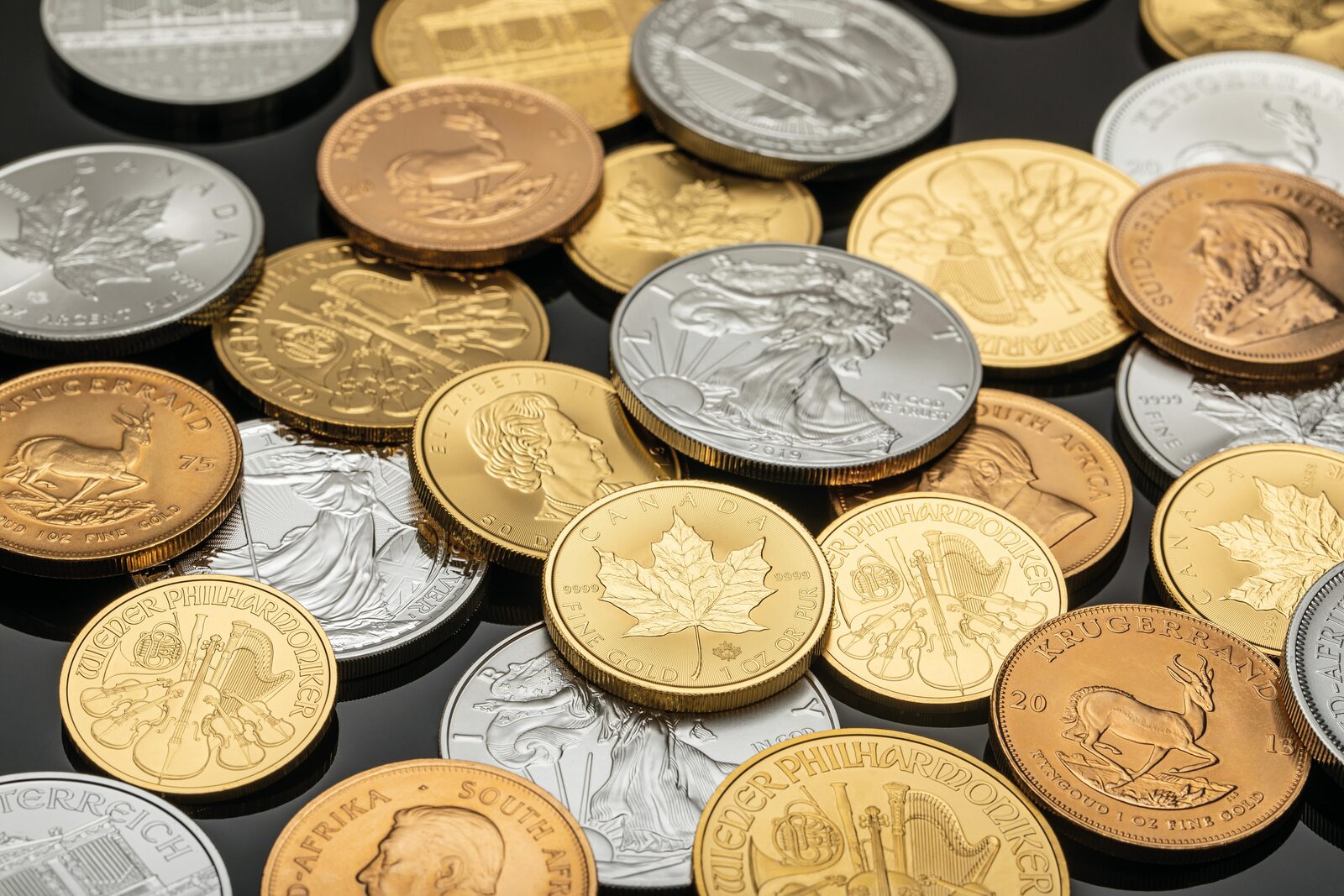
The short answer is government coins that everyone recognizes. In gold, the American Gold Eagle is the most widely traded bullion coin in the United States, and dealers buy it back at some of the tightest spreads in the market. The Gold Eagle shares that top tier with the American Buffalo, Canada’s Maple Leaf, the South African Krugerrand, the Austrian Philharmonic, and Britain’s Britannia. They are struck by national mints, carry a face value and a sovereign guarantee of weight and purity, and trade in enough volume that a buyer is always somewhere nearby.
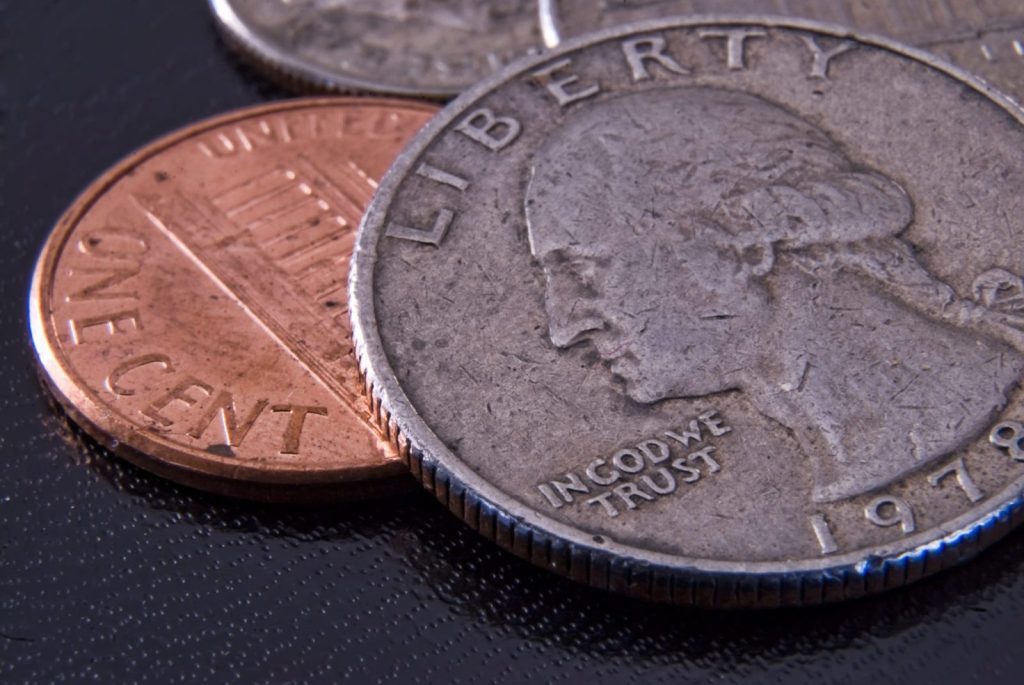
Silver follows the same logic. The Silver Eagle is the benchmark, with the Silver Maple Leaf close behind, and pre-1965 ninety percent “junk” silver moves easily because its content is fixed and universally understood. The American Buffalo and the fractional versions of the Eagles round out the coins a dealer will take without a second look. When people ask which gold and silver coins are easiest to sell, this recognized government coin tier is the honest answer.
The round trip is what actually costs you
Here is where recognition pays off in a way that is easy to miss. The premium you pay over spot is only the front half of the trade. What matters just as much is the premium a dealer gives back when you sell. Take an illustrative example: a coin bought at a seven percent premium but repurchased at only two percent over spot has cost you roughly five percent for the round trip. A plainer coin bought at a four percent premium, but bought back much closer to spot, can end up cheaper overall. The buyback spread, not the sticker premium, is the number that decides your real cost.
This is why the most recognized coins earn their slightly higher entry premium. They come back to you on the sell side. It is the same idea behind the bid-ask spread: the tighter the gap between what a dealer pays and what a dealer charges, the less the round trip skims off your metal. Recognized coins have the tightest gaps because the dealer takes almost no risk holding them.
What drags liquidity down
Nothing here is unsellable. Generic silver rounds and private-mint bars still trade, usually close to melt, but they change hands at wider spreads than a sovereign coin because they carry no government backing and less name recognition. Large bars save you money going in, since premiums shrink as the bar gets bigger, yet they are harder to sell whole: you have to find a single buyer for the entire piece rather than peeling off an ounce at a time. Obscure foreign coins, damaged or cleaned coins, and anything a dealer cannot quickly authenticate all widen the spread. So does a broken seal. A sealed mint tube, an intact monster box, or original packaging with the certificate lets a buyer trust the contents without re-checking every coin, and that trust shows up in the price.
Buying with the sale in mind
A few habits keep the exit easy. Build the core of a holding from recognized government coins, and treat generic rounds and big bars as a cost-saving supplement rather than the foundation. Keep original packaging, tubes, and boxes intact where you can, since re-sealed or loose coins invite a closer and slower look. Favor smaller units for the part of your stack you might sell in pieces, because a tube of one-ounce coins divides in ways a large bar cannot. Keep your own records of what you bought and when. For anything numismatic rather than plain bullion, third-party grading from a service such as PCGS or NGC standardizes the coin’s condition and settles an argument before it starts.
One more practical step: ask about the buyback before you buy. A seller who states plainly how they price coins on the way back in is telling you something useful about the round trip, and it costs nothing to ask. Understanding how a two-way market works, on the buy and the sell side, is the difference between owning metal and being stuck with it.
The metal is the floor, liquidity is the door
None of this changes the underlying value. In early September 2026, gold trades above $4,300 an ounce and silver sits in the mid-$60s, and every recognized one-ounce coin is worth its metal content whoever you sell it to. Liquidity does not add to that floor. What it does is decide how cleanly you can reach it. The most recognized coins let you convert to cash on your own timeline at a price close to spot. The obscure and the oversized make you wait, or accept less, or both. When you weigh what to buy, and especially when you compare which gold and silver coins are easiest to sell, remember that you are choosing your exit at the same time. Watch the wider metals market for timing, and think about resale the way a secondary-market buyer will look at your coins when the day comes.