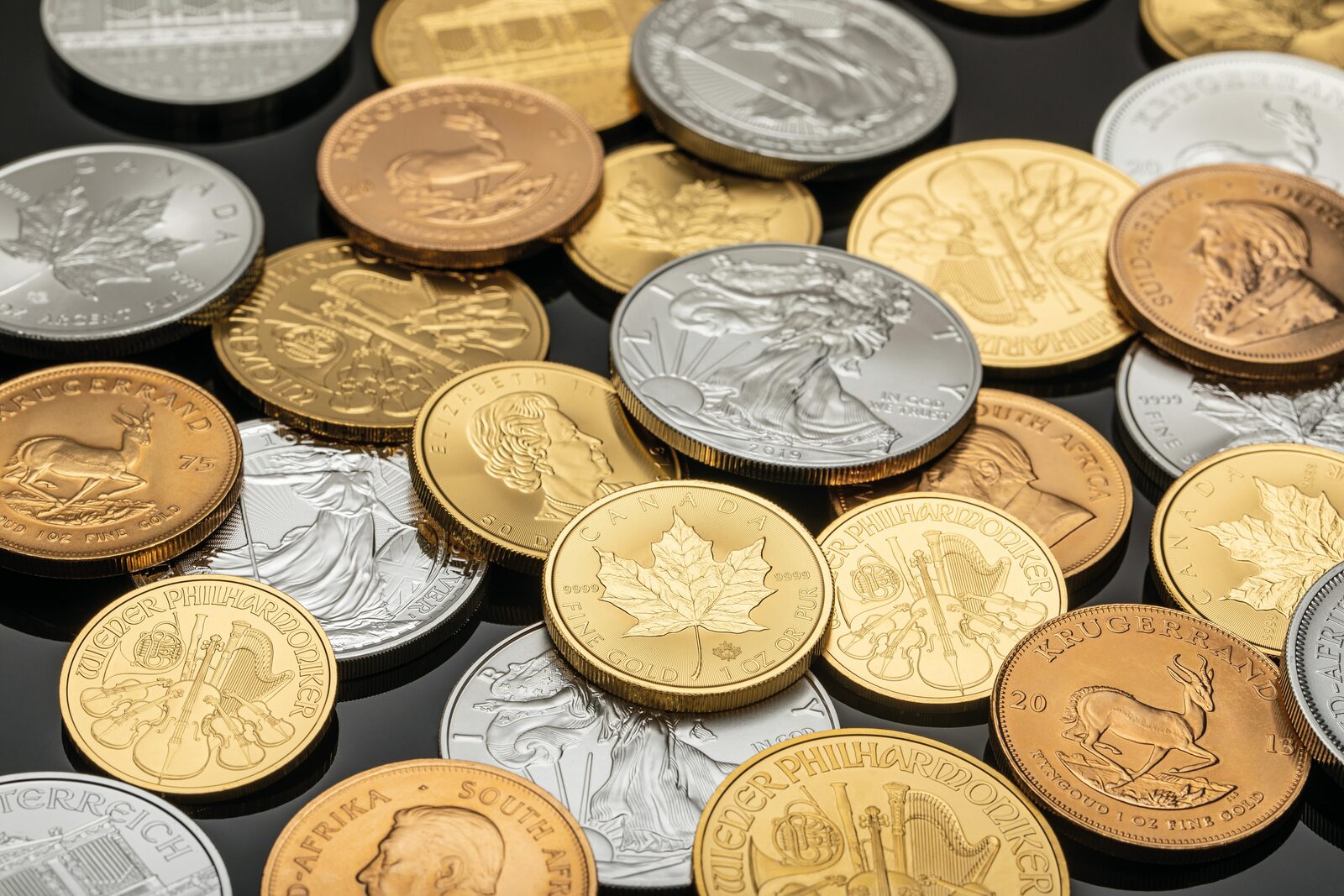


Walk into the physical gold and silver market for the first time and you meet three shapes almost at once: the government coin with a face value stamped on it, the plain round that looks like a coin but is not one, and the bar that ranges from a wafer you could lose in a pocket to a brick that needs two hands. They can hold the same ounce of the same metal, yet they do not price the same, resell the same, or fit a retirement account the same way. Knowing why helps you spend your premium where it actually earns its keep.
This is the practical comparison: what separates bars, coins, or rounds, and how to match the form to what you are trying to do.
The three forms, defined
A coin is struck by a national mint and issued as legal tender, which means a government stands behind its stated weight, purity, and face value. The American Gold Eagle and its silver counterpart are the familiar U.S. examples, and nearly every major country issues its own. The face value is symbolic (a one-ounce gold coin will never buy a dollar’s worth of groceries at its stamped denomination), but the sovereign guarantee behind it is not.
A round looks like a coin and is made to the same fineness, but it is produced by a private mint, carries no face value, and is not legal tender. It is metal in a convenient disc, nothing more and nothing less. Because no government backs it, a round trades purely on its metal content plus whatever small design or brand appeal it carries.
A bar is the rectangular form, made by private refiners and some government mints, and it spans the widest size range of the three: from one-gram slivers up through the familiar one-ounce and ten-ounce sizes to kilo bars and larger. Bigger bars are where the metal-per-dollar math looks best.
How premiums compare
Every physical product sells above the metal’s spot price. That gap, the premium, pays for refining, minting, distribution, and the seller’s margin. Where a product falls on the premium ladder is the single biggest practical difference between bars, coins, or rounds.
As a rule, government coins carry the highest premium. You are paying for the sovereign guarantee, tighter production standards, and the recognition that comes with them. Rounds sit lower, since a private mint skips the legal-tender apparatus and passes some of that saving along. Bars usually carry the lowest premium of all for a given weight, and the premium shrinks as the bar gets bigger: a kilo bar’s premium per ounce is a fraction of what a one-gram bar or a sovereign coin charges. If your only goal is to convert cash into the most metal, large bars win on cost. Percentages move with the market and with supply, so treat this as the ordering, not a fixed spread.
Recognizability and reselling
Cost is only half the story. The other half is what happens when you sell. A one-ounce Gold Eagle or American Buffalo is recognized on sight almost anywhere metal changes hands, and that recognition tends to make the sale quick and the discount small. Private rounds and generic bars are perfectly good metal, but a buyer who does not know the brand may want to verify them, and verification can mean a small assay step or a slightly wider spread in the buyer’s favor.
Well-known bar brands narrow that gap. Many modern bars ship in tamper-evident assay cards that certify weight and purity and are meant to stay sealed, which speeds the resale of larger pieces. Bars and rounds are not risky; the point is that liquidity carries a cost too, and the sovereign coin quietly bundles that cost into its higher premium. A good dealer relationship smooths the sale of any of the three.
Sizes and how they fit a holding
Form and size interact. Smaller units cost more per ounce but give you flexibility: you can sell a fraction of a holding without breaking a large piece, and small coins or bars are easier to trade or gift. That premium-for-flexibility tradeoff is the whole subject of our look at fractional gold coins, and it applies to small bars and fractional silver just as much.
A common approach is a core of lower-premium bars or one-ounce coins for the bulk of the metal, with a handful of smaller, highly recognized coins for divisibility. There is no single correct mix. It depends on whether you value cost, liquidity, or the ability to sell in small increments.
IRA eligibility basics
If the metal is headed for a self-directed IRA, the form matters in a specific way. Under the tax code’s bullion rules, eligible metal must meet a minimum fineness: .995 for gold, .999 for silver, and .9995 for platinum and palladium. Bars and rounds also have to come from a national government mint or an accredited refiner or assayer, with the COMEX, NYMEX, LBMA, or ISO 9000 lists serving as the usual benchmarks. The best-known exception runs the other way: the American Gold Eagle is only 22-karat (.9167 fine), below the .995 floor, yet Congress wrote it into the law by name, so it qualifies anyway. Home storage of IRA metal is not allowed either; it has to sit with an approved custodian. Rules like these are why the mechanics of buying deserve a look before you commit.
So which should you buy: bars, coins, or rounds?
Match the form to the job. For the most metal per dollar, larger bars lead. For recognition and the easiest resale, government coins earn their premium. For a middle path, rounds give you coin-like convenience at a bar-like price. Many holders own all three for different reasons, and there is nothing inconsistent about that. It is the same argument that runs through our broader guide to the ways to own gold: the right choice depends on what you want the metal to do.
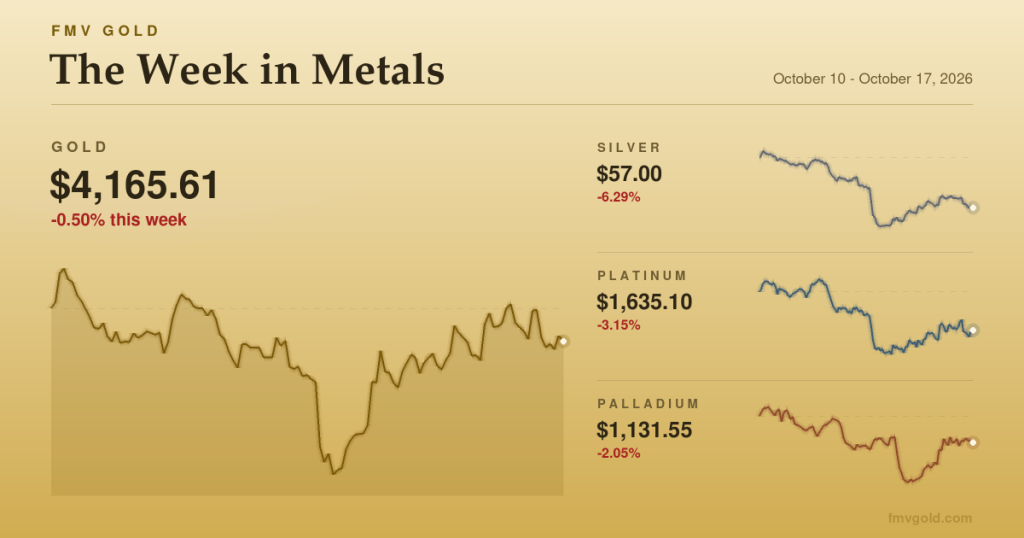
Whatever you pick, buy on a clear read of the metal’s current spot price and a plain understanding of the premium you are paying over it. Get those two numbers straight and the shape of the metal becomes a preference, not a trap.