
Two Morgan dollars sit side by side in a dealer’s case. Same date, same mint, both sealed in PCGS holders, both labeled MS64. One of them has a small green sticker stuck to the front of the slab, and it is priced noticeably higher than its twin. Nothing about the grade on the label explains the gap.
That sticker is the reason, and it is a piece of the market almost nobody explains to newcomers before they have already paid for the lesson.
What Is a CAC Sticker on a Coin?
A CAC sticker is a small holographic seal applied by Certified Acceptance Corporation, a company that reviews coins already graded by PCGS or NGC and judges whether each one is a strong example for the grade printed on its label. Collectors call the stickers beans. If the coin measures up, it gets a bean and goes back to the owner in its original holder. If it does not, it comes back plain.
Founder John Albanese has described the internal standard as an A, B, C system. Within any single grade there is a range of quality, and he sorts coins into the top, middle, and bottom of that range. A and B coins earn the green sticker. C coins, the low end of the grade, are returned without one. CAC has consistently said that fewer than half of everything submitted comes back with a bean attached.
There are two colors. The green sticker means the coin is solid or high end for its assigned grade. The gold sticker is far rarer and means the coin exceeded expectations, in CAC’s view good enough to carry the next grade up. CAC guarantees that a gold-bean coin submitted to its own grading arm will come back at least one numerical point higher.
Who Is Behind the Bean
The reason the market pays attention has a lot to do with the man who started it. Albanese co-founded PCGS in 1986, founded NGC the following year, and by his own account personally graded more than a million coins there. He launched CAC in 2007, essentially to referee the industry he had helped build, on the view that too much daylight had opened up between coins sharing the same number on a label.
That history is why a CAC sticker from a third company carries weight rather than reading as clutter. It was one of the people who wrote the original rulebook saying, in effect, that the rulebook had drifted.
What a CAC Sticker Does Not Mean
Three misreadings cost buyers money.
First, no bean does not mean overgraded. CAC is explicit about this: a coin returned without a sticker has not been declared wrong. It means other coins at that grade are simply nicer, and CAC’s own literature says the absence of a sticker does not necessarily imply the grade is inaccurate. Plenty of perfectly honest, correctly graded coins live in the middle of the pack.
Second, a CAC sticker is not a second opinion on authenticity. The coin was already authenticated and encapsulated by PCGS or NGC. CAC is grading the grade, not the coin’s genuineness.
Third, a bean is not a price. It is one input into a price, and its weight varies wildly by series. In some corners of the market the difference is a few percent. In thinly traded classic series where registry collectors compete, observers have reported gaps well north of 50 percent between stickered and unstickered examples of the same grade. Treat any single percentage you see quoted as a description of one series at one moment, not a rule.
Why the Sticker Moves Money
Stickers created their own pricing layer. CDN Publishing, the house behind the Greysheet, puts out a quarterly CAC Rare Coin Market Review reporting retail values specifically for NGC and PCGS coins meeting the CAC standard, separate from its general guides. Major auction houses note beans in their catalog descriptions. If you already know how to read a coin price guide and population report, the CAC layer is one more column to check rather than a different discipline.
The practical effect is a two-tier market inside a single grade. That tier structure sits on top of the far larger effect covered in our piece on how coin grade affects value, where the jump from one number to the next can reprice a coin entirely. The bean is the fine adjustment, not the main dial. It also explains some otherwise confusing auction prices realized, where two apparently identical lots close a world apart.
The Part That Matters If You Buy Bullion
Here is the fact that saves bullion holders a wasted submission fee: CAC does not sticker bullion or modern coins. Its published list of coins accepted for stickering runs from Fugio cents and half cents through classic silver and gold commemoratives, Franklin halves, silver dollars through 1935, Eisenhower dollars, and the pre-1933 gold denominations. At the bottom of that list sits a plain sentence: bullion and modern coins will not be accepted for stickering submissions. The company’s heritage is vintage U.S. coins, generally 1964 and earlier.
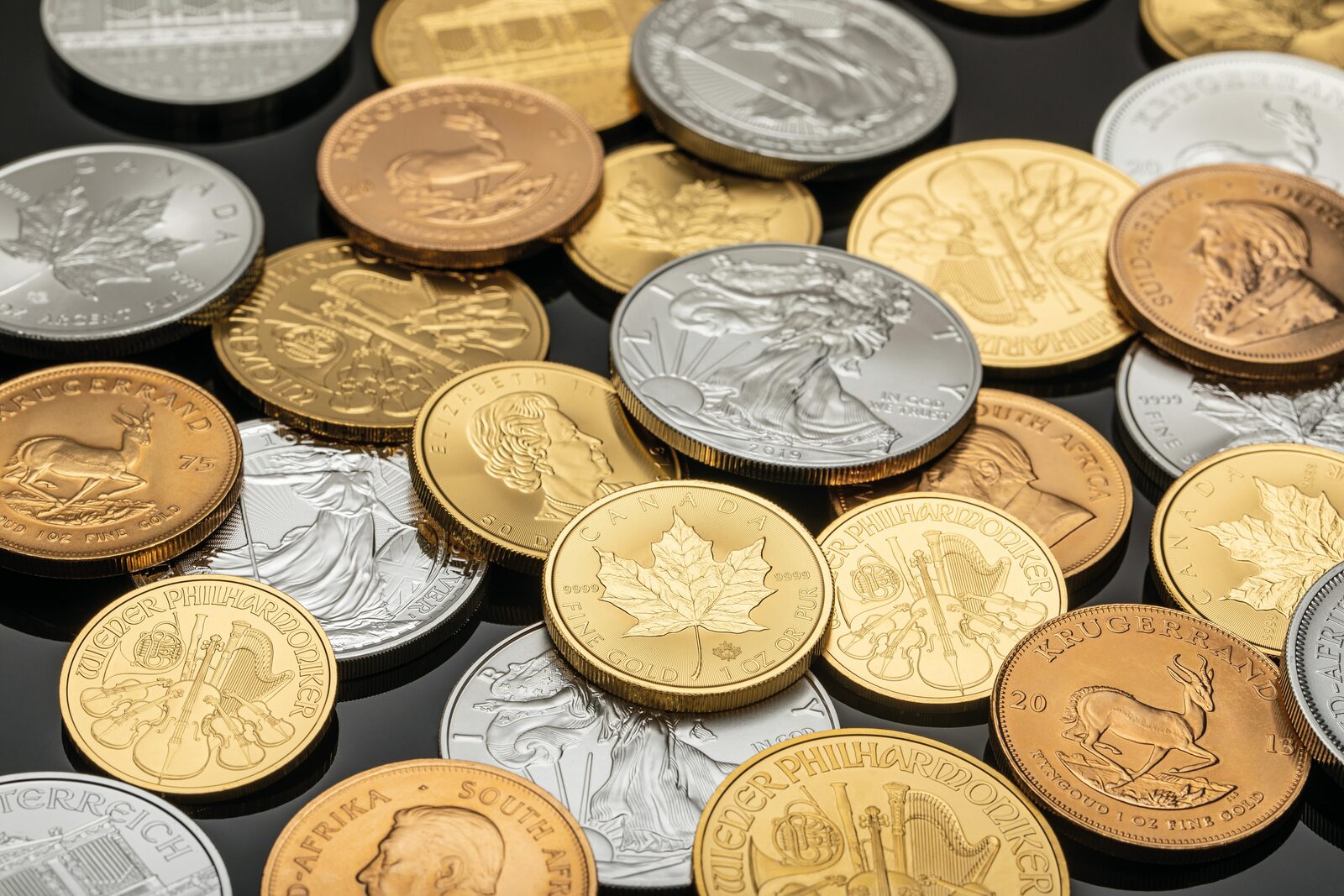
So no, your American Silver Eagle cannot get a green bean. Neither can a Gold Buffalo, a Britannia, or a Libertad. Anyone offering you a stickered modern bullion coin is describing something that does not exist.
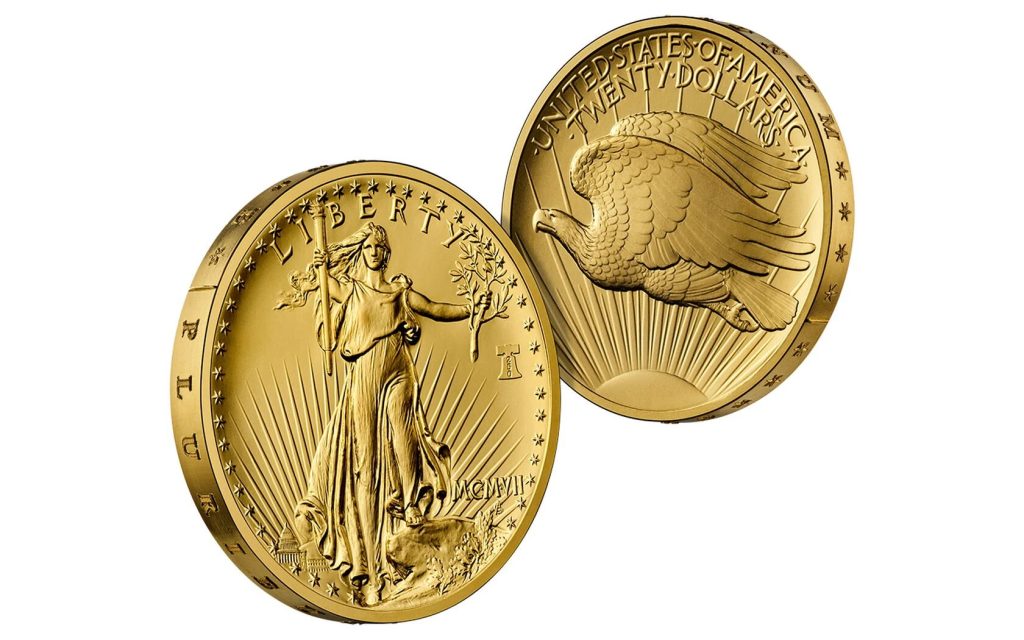
Your Morgan dollars, on the other hand, sit squarely inside the eligible range, as do Saint-Gaudens double eagles and most other pre-1933 American gold.
CAC and CACG Are Not the Same Thing
This is where people get tangled. In October 2023, after a soft launch that ran through the summer, CAC began full operations as CAC Grading, its own primary grading service based in Virginia Beach, Virginia. CACG does not sticker other companies’ coins. It authenticates, grades, and encapsulates coins in its own holders, the way PCGS and NGC do.
And CACG, unlike the stickering service, accepts moderns. Its accepted list includes American Silver Eagles from 1986 forward, Gold Eagles, Platinum Eagles, Gold Buffalos from 2006, plus a limited slate of world bullion including Chinese Pandas, Mexican Libertads, Australian Lunar issues, and select Britannias. It has also created its own early-release style designations, including an Early Delivery label tied to documented shipment windows for the first 1986 Eagles and an Emergency Delivery designation for the 2020 Philadelphia Silver Eagles.
The short version: a green bean on a slab means a vintage coin passed review inside somebody else’s holder. A CACG holder means CAC graded the coin itself, and that one can be a modern bullion piece.
How to Use Any of This When You Buy
Start by deciding which market you are actually in. If you are buying metal, the bean is irrelevant to you, and your anchor is the metal content and what the spot price actually means. No sticker changes how many ounces are in the coin.
If you are buying certified classic coins, three habits help. Compare stickered to stickered and plain to plain, because mixing the two makes a price look like a bargain or a ripoff when it is neither. Ask the seller whether an unstickered coin was submitted and returned, since a coin that has been to CAC and come back plain tells you something a coin that was never sent does not. And remember that rarity talk and quality talk are separate conversations, a point worth keeping in mind alongside the question of whether low mintage actually means valuable.
The bean is useful shorthand from a credible source, and shorthand is worth something in a market where quality inside a grade stays invisible until you have handled a few hundred coins. It is not a substitute for looking at the coin, and it is not a promise about what anyone will pay you later. Buyers who understand how the market works tend to do better than buyers shopping for stickers, which is much the same advice as choosing a dealer carefully in the first place.
Two Morgans, one grade, one sticker, two prices. Now at least the gap has a name.