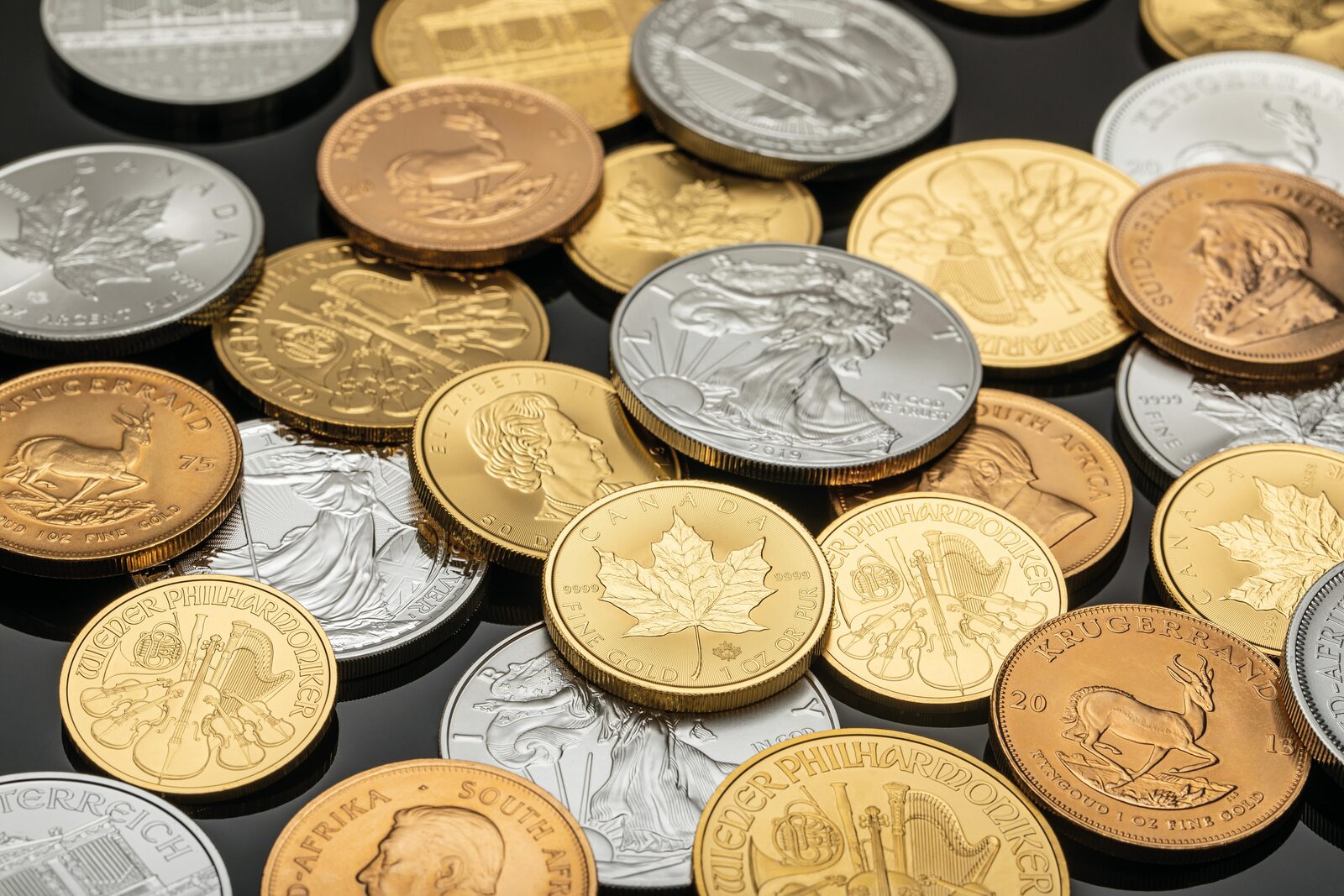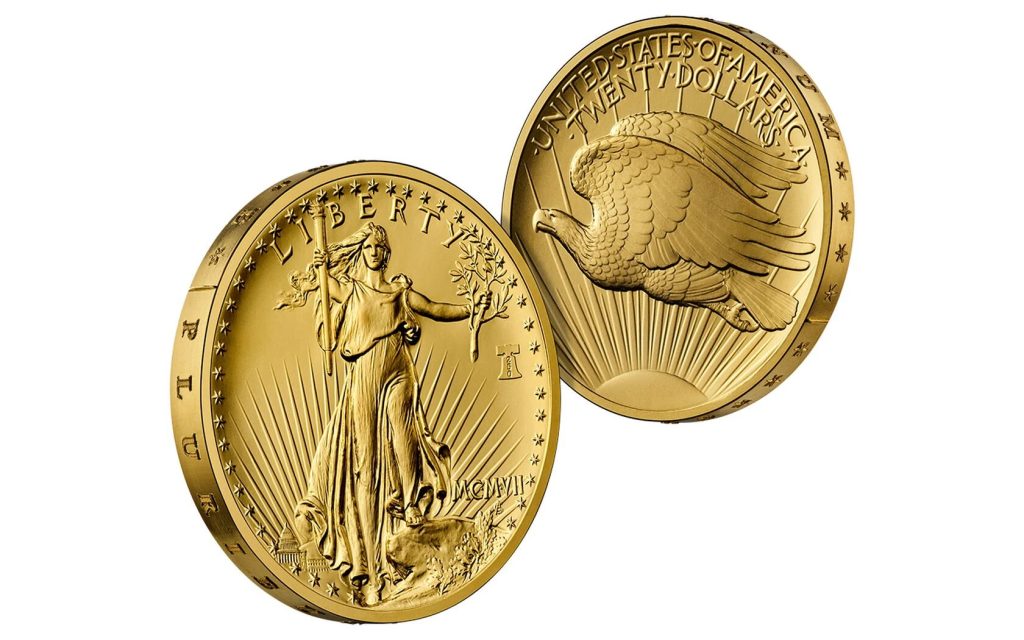

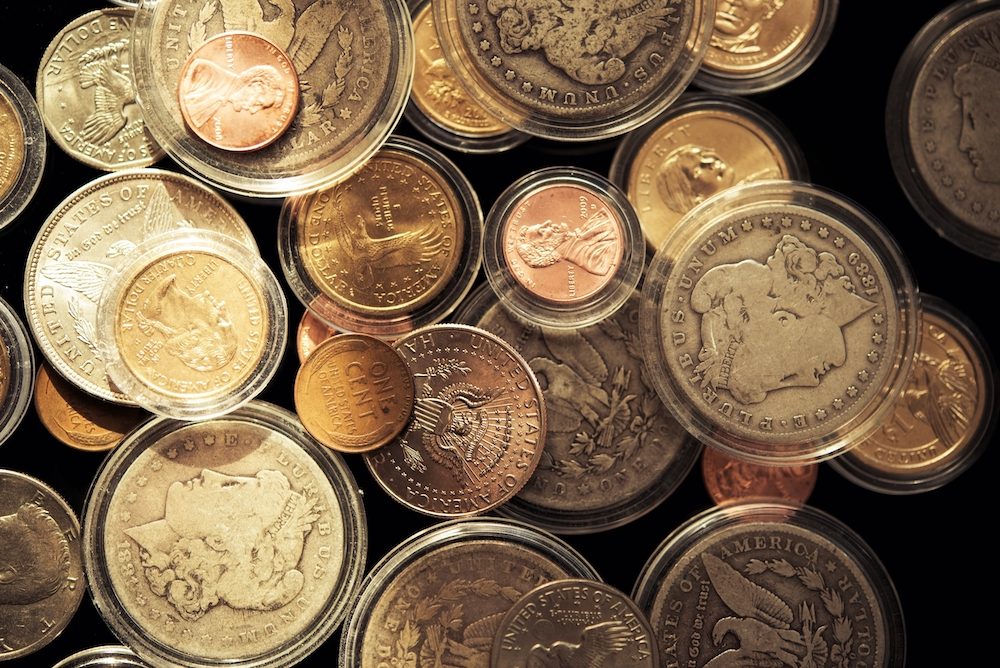
It usually starts with a drawer. A parent’s old cigar box, a folded envelope of silver dollars, a few gold pieces somebody bought decades ago and never talked about. Somewhere in the sorting, a question arrives: should any of this go off to a grading service and come back sealed in plastic?
Put plainly: is it worth getting coins graded, and if so, which ones? The honest answer is that most of it should not, and a small part of it probably should. Knowing which is which saves real money, because grading is a service you pay for whether or not the verdict goes your way.
What certification actually buys you
A third-party grade is a stranger’s trust, purchased in advance. Sell a raw coin and the buyer has to take your word on both questions that matter: is it genuine, and how good is it? A sealed holder answers both before anyone picks up the phone.
The modern version dates to 1986, when PCGS began encapsulating coins in tamper-evident slabs, followed by NGC in 1987. The innovation was binding the opinion to the coin itself, so a certificate could no longer wander off and get attached to something else.
Three things come with the holder. An opinion of authenticity from people who look at counterfeits all day. A number on the Sheldon scale that the market prices with reasonable consistency, which is what makes a certified coin easy to sell sight-unseen. And a guarantee: PCGS will re-examine a coin a later purchaser believes is overgraded or not genuine, and will pay either the market value at the original grade or the difference between the two grades, plus the regrading fee and shipping. It has teeth, though it does not extend to the original submitter, to coins cracked out of the holder, or to damage that develops later from humidity or fire.
If you want the fuller picture of how a number translates into money, our guide to how coin grade affects value walks through the curve.
Is it worth getting coins graded? Do the arithmetic first
Here is the part people skip. Grading has a floor cost that has nothing to do with the coin.
You need standing to submit. Either you join a grading service’s collectors club, an annual fee with tiers, or you go through an authorized dealer, which is convenient but which fewer dealers offer now because of the liability involved. Then comes the grading fee, set by tiers keyed to the declared value you assign each coin. Modern, low-value pieces sit at the cheap end, and the tiers climb steeply as declared value rises, with PCGS routing coins above a stated threshold into its higher-security service group. Leave the value blank on a PCGS form and you authorize them to assign a nominal figure per coin, which sounds harmless until it puts your coin in the wrong tier.
Then add round-trip shipping, insured both ways, and weeks of turnaround. Then add the possibility that the answer comes back disappointing, because you pay in full regardless. NGC is explicit that it charges its normal fee even when a coin turns out to be counterfeit, on the grounds that proving a fake takes at least as much work as grading a real one.
Stack those together and the test is simple: the certified coin has to be worth meaningfully more than the raw one, by a margin that clears the whole stack. Dealers who do this routinely tend to use a break-even figure in the neighborhood of fifty dollars of added value per coin before a submission makes any sense. A coin that gains a couple of dollars from a grade is not a candidate. It is a donation.
The coins that usually justify a submission
- Key and semi-key dates in high grade. This is where the value curve turns vertical. The difference between a near-gem and a gem on a scarce date can dwarf the submission cost several times over.
- Pre-1916 coins in genuinely uncirculated condition. Early type coins that survived without wear are scarce by definition, and the market pays for proof of that.
- Anything frequently counterfeited. Authentication alone is worth the fee here, even on a coin of moderate value. Working through inherited material, assume the previous owner could have been fooled. Our piece on spotting fake gold and silver coins covers what you can check at home first.
- Confirmed mint errors and rare varieties. A recognized attribution on the label is what separates a real error from a story.
- Coins you intend to sell, or leave behind. Certification converts a judgment call into a document, which matters enormously when the person selling is an heir who does not collect. That is the same logic behind selling a collection without regrets.
The coins that usually do not
Common-date bullion trading near its metal content is the clearest no. The market prices those on weight and fineness, and a holder adds little to a coin whose floor is the metal. Modern circulating coinage in ordinary condition is another no, for the same reason. A coin already in a reputable holder rarely needs a second opinion either, unless you have specific cause to think it is undergraded.
There is a subtler case: coins you cannot grade yourself. If you cannot tell a 64 from a 66, you are buying a lottery ticket at a fixed price. Learning to read a price guide and population report first will tell you whether the upside you imagine exists in the data.
Details grades, the risk nobody prices in
The worst outcome is not a low number. It is no number at all.
When a coin has a surface problem, it comes back with an adjectival Details grade instead of a numeric one: the label states the wear level and then names the defect. The triggers are broad. Harsh cleaning, whizzing, polishing or wiping. Scratches, graffiti, bends, rim filing, plugged holes, tooling. Corrosion, environmental damage, bronze disease. Artificial toning or added color. A Details coin can be worth a fraction of what the same coin would fetch with a clean numeric grade, and you paid the full fee to find out.
This is why the most expensive mistake in the hobby is cleaning a coin before sending it in. That cheerful brightness you just produced reads as damage to a professional. If the impulse strikes, read what cleaning actually does to a coin’s value before you touch anything.
How a submission actually works
The mechanics are less intimidating than they look. You establish your route, membership or dealer. You assign each coin a declared value, which picks your service tier and sets your fee. You complete the form, listing each coin. You house every coin individually in inert flips, not the soft vinyl kind that leaves a green film over time. You do not clean anything. You ship by a tracked, insured method built for valuables, and you tape the package thoroughly, since the services warn specifically about tamper evidence in transit. Then you wait, usually weeks rather than days unless you pay for speed.
Two follow-on services are worth knowing. A crossover lets you send a coin still sealed in a competitor’s holder and specify the minimum grade you will accept. If it meets your floor, it gets cracked and reholdered. If not, it comes back untouched in its original holder, which makes the downside a fee rather than a loss. A guarantee resubmission is the mechanism for challenging a grade you bought from someone else.
A working rule
Getting coins graded pays off on a short list and quietly loses money everywhere else, so sort the drawer into three piles. Metal, which goes by weight and stays raw. Ordinary collector coins, worth more as something you enjoy or sell as-is than as slabbed inventory. And the short list of pieces that are scarce, high grade, questionable, or headed for someone else’s hands. Only the third pile earns a submission form, and it is usually shorter than it first appears.
If you are still deciding where a particular coin sits, buying it already certified is often the cheaper education. Our look at whether graded bullion coins are worth the premium takes up that question from the buyer’s side, and how FMV Gold works explains how we track values across the coin families we cover.