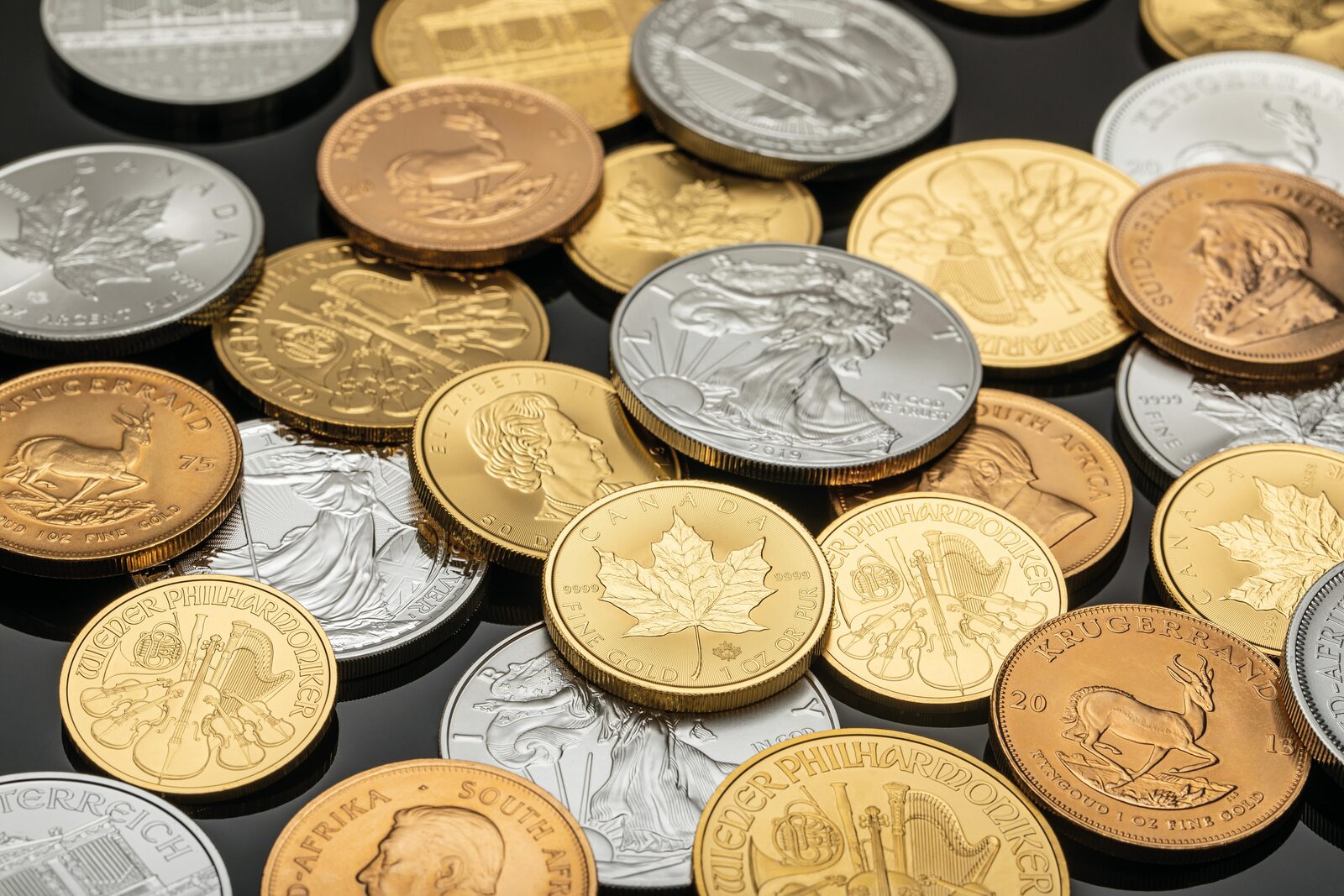

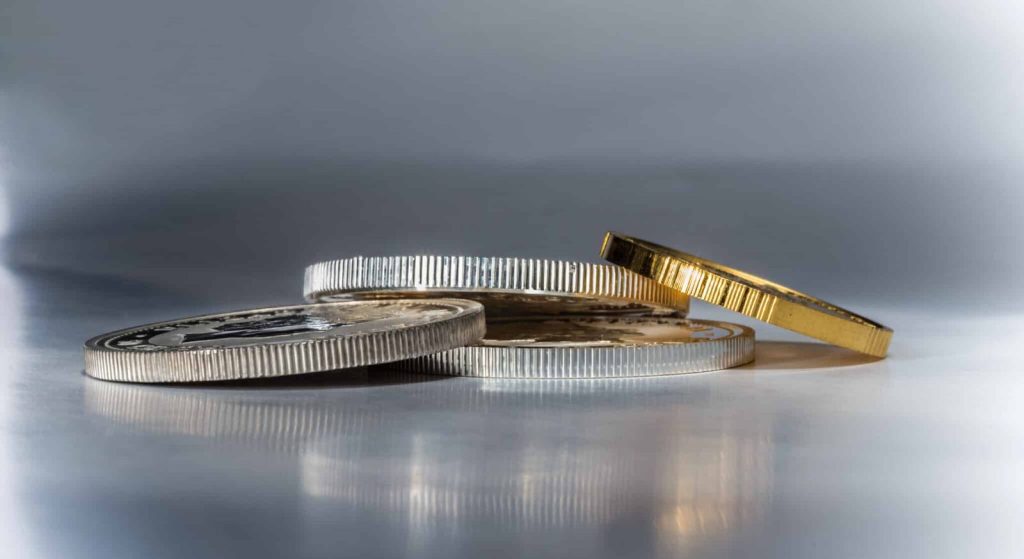
Two gold coins can leave the same mint, in the same year, looking almost identical to the naked eye, and still trade at very different values. A worn silver dollar and a pristine one from the same date can be worlds apart. The difference usually comes down to a single number printed on the holder. That number is the grade, and learning how coin grade affects value is one of the most useful things a new buyer can do before spending real money.
What the grade actually measures
A grade is shorthand for condition. It answers one question: how well has this coin survived since it left the press? Nearly all U.S. coins are graded on the Sheldon scale, a range that runs from 1 to 70. Dr. William Herbert Sheldon introduced it in 1949 in his book on early American large cents. His original idea was tidy: he wanted the number to double as a price ratio, so that a flawless coin numbered 70 would be worth about seventy times a barely identifiable one numbered 1 of the same variety. That neat arithmetic did not hold up for long as the market changed, but the 1-to-70 framework stuck. The American Numismatic Association adapted it in the 1970s for use across all U.S. coinage, and it remains the standard today.
Reading the scale, from poor to perfect
The lower two thirds of the scale describe circulated coins, ones that spent time in pockets and cash drawers. Moving up, the wear steadily decreases:
- PO-1 Poor and FR-2 Fair: barely identifiable, often worn nearly smooth.
- AG-3 About Good through G-4 and G-6 Good: heavily worn, but the date and main design read.
- VG-8, F-12, VF-20 to VF-35: Very Good, Fine, and Very Fine, where more of the detail returns.
- EF-40 and EF-45 (also written XF): Extremely Fine, only light wear on the high points.
- AU-50, 53, 55, 58: About Uncirculated, a whisper of friction on the highest points.
At 60 the scale crosses into Mint State (MS), meaning no wear at all, only the marks and imperfections a coin picks up from minting and handling. Uncirculated coins run MS-60 through MS-70. The trade attaches familiar adjectives: MS-60 to MS-62 is simply Uncirculated, MS-63 is Choice, MS-64 is often called near-gem, MS-65 and MS-66 are Gem, MS-67 through MS-69 are Superb Gem, and MS-70 is perfect, defined by the grading services as showing no post-production imperfections at 5x magnification. Coins struck as proofs for collectors carry the same numbers with a PR or PF prefix. Two extra marks refine the picture: a plus sign flags a coin at the high end of its grade, and a star signals exceptional eye appeal.
How coin grade affects value
Here is the part that surprises newcomers. Value does not climb in a straight line as the grade rises. Across the worn circulated grades, a coin is often worth little more than its metal content plus a modest step for each grade. Near the top of the scale, though, small differences in grade can multiply the price. The reason is that collectors chase the best-preserved survivors, and those get scarce fast.
Common-date pre-1933 gold shows the pattern clearly. A Saint-Gaudens double eagle in an entry-level Mint State grade might carry only a slight premium over its gold value. Move up a grade or two and that premium widens gently. Cross into gem territory at MS-65 and the premium can leap to several times the metal value, because gem examples are genuinely hard to find. The jump from near-gem to gem is frequently the steepest cliff in the market. The exact figures move with demand, so treat any single percentage as illustrative rather than a quote, but the shape is consistent: gentle at the bottom, steep at the top. This is why grade sits on top of, and separate from, the metal floor you can read about in our explainer on what the spot price of gold actually means.
Condition rarity, the quiet driver
The engine behind those steep premiums is condition rarity. A coin can be common in every low grade yet genuinely rare in top condition. Millions of a given date may survive, but if only a few hundred grade MS-65 or finer, those few become the prize. The grading services publish population reports that track how many coins they have certified at each grade, and buyers lean on them to see where a date turns scarce. A common Morgan dollar is a classic case: plentiful in circulated grades, sometimes surprisingly tough in the highest Mint State grades for certain dates and mints. The same logic runs through Saint-Gaudens gold and much of classic U.S. coinage.
Why certification matters
Because so much value can ride on a single grade, an independent opinion is worth a great deal. Two services dominate: the Professional Coin Grading Service (PCGS), founded in 1986, and Numismatic Guaranty Company (NGC), founded in 1987. Each authenticates a coin, assigns a grade, and seals it in a tamper-evident plastic holder collectors call a slab. Grading weighs several things at once: the amount of wear, the sharpness of the strike, the original mint luster, the number and location of contact marks, and overall eye appeal, which can include attractive toning. A certified coin is easier to buy and sell with confidence because both sides are trusting the same third party rather than arguing over a judgment call. For coins where grade drives most of the value, buying certified rather than raw removes two big unknowns at once, authenticity and grade.
Modern bullion coins get graded too. A Gold Eagle in a perfect MS-70 holder can carry a collector premium a plain uncirculated example does not, which is a small-scale version of the same grade-to-value relationship.
What this means when you buy
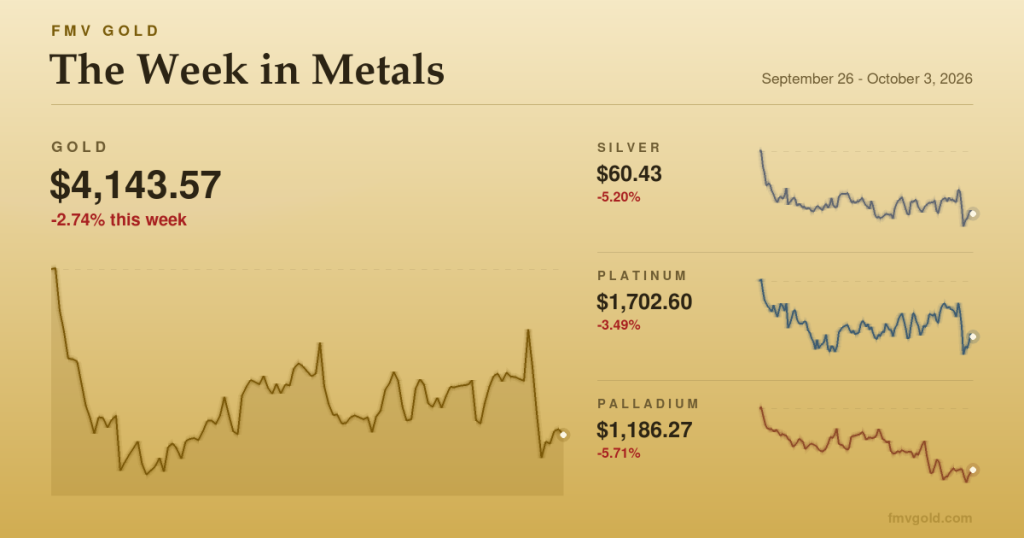
Match the grade to your goal. If you mainly want metal exposure, you do not need to pay up for a gem; a solid, liquid grade or ordinary bullion does the job, and you stay close to the metal value tracked in our markets data. If you are collecting, a certified gem can be worth the stretch, as long as you understand that the higher you climb, the smaller the pool of future buyers becomes. Grade also affects how quickly you can sell: mid-range Mint State coins tend to trade in a deep, straightforward market, while top-grade pieces need a buyer who understands numismatic value. Before you commit, it pays to know the grade, confirm the certification, and buy from someone reputable. Our dealer directory and our plain-language rules of gold are good next stops.
The short version: the metal sets the floor, and the grade decides how far above that floor a coin can climb. Understanding how coin grade affects value keeps you from overpaying for a number you do not need, and from underpaying attention to one that matters.