

Canada’s Silver Maple Leaf had a quiet debut. The Royal Canadian Mint struck a little over a million of them in 1988, a modest run for a coin that would end up second only to the American Silver Eagle among the world’s silver bullion issues. Silver was cheap that year, retail interest was thin, and the Mint’s headline argument was a technical one: at .9999 fine, the coin was purer than anything else on the bullion shelf.
Almost four decades later the Maple is a fixture in American holdings, partly because it stacks well and partly because it has usually been the cheaper way to buy a sovereign ounce. It also carries a flaw that the Mint has spent years trying to engineer away. Both facts matter if you are weighing one.
What You Are Actually Buying
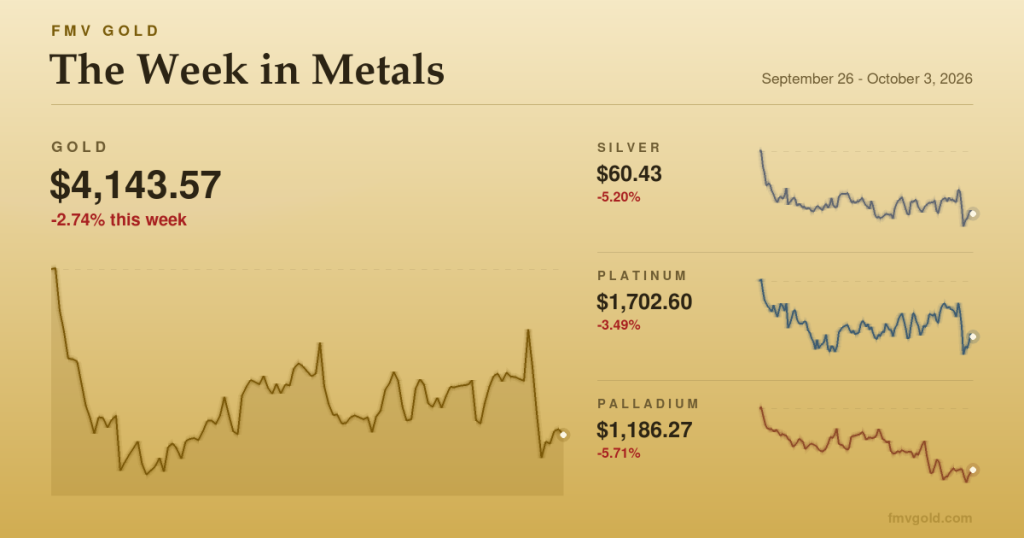
The specification has barely moved since 1988. One troy ounce of 99.99 percent silver, 31.1 grams, 38 millimeters across, 3.29 millimeters thick, with a serrated edge and a face value of five Canadian dollars. That face value is a legal formality and nothing more. With silver trading near 60 dollars an ounce in late September 2026, the metal in the coin is worth many times its stated denomination, which is the case for every sovereign bullion coin in production. You can follow the underlying spot price on our markets page.
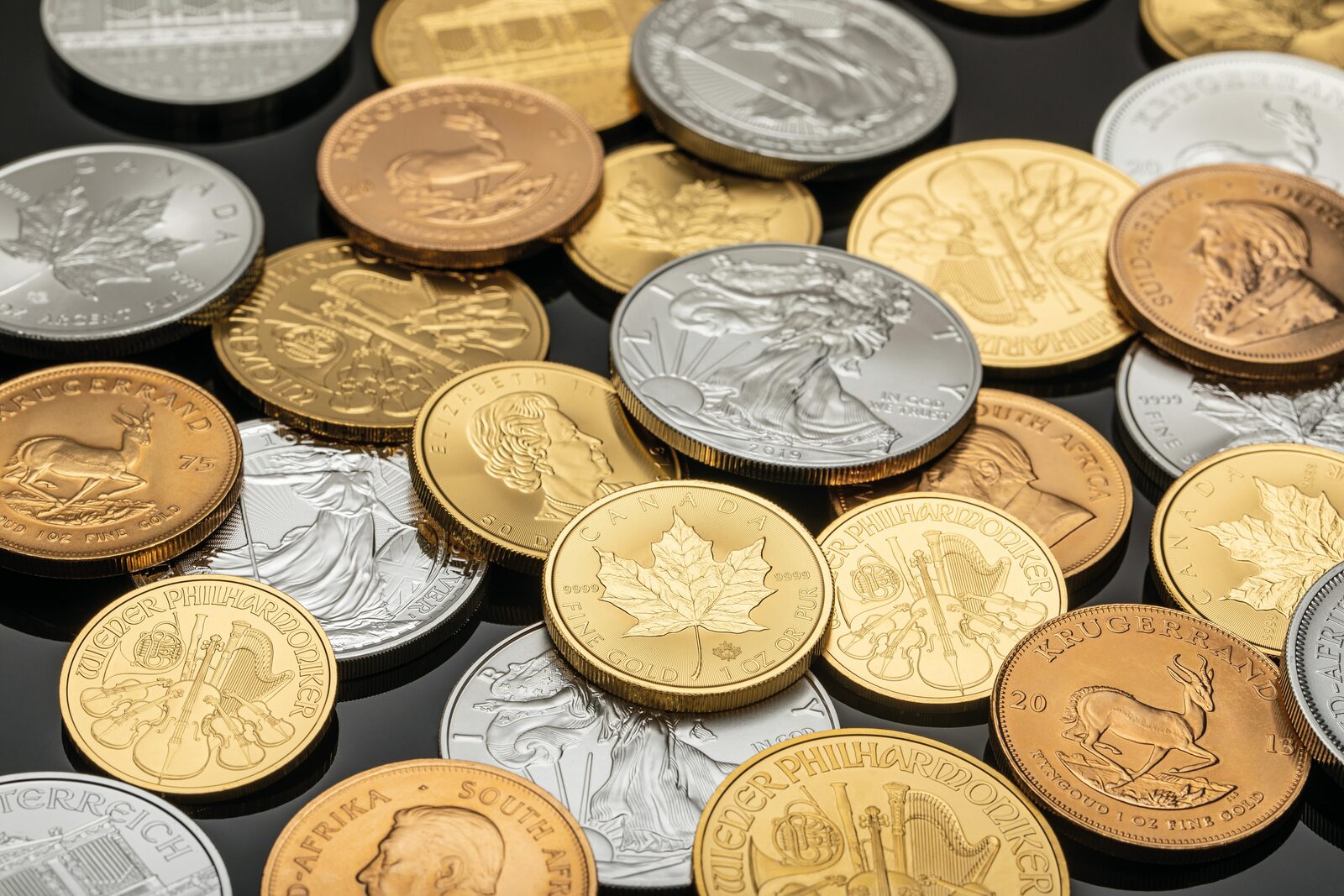
The reverse is Walter Ott’s sugar maple leaf, unchanged in its essentials since the first issue. The obverse is where the history shows. Queen Elizabeth II appeared on the coin through several effigies across the entire run, and the 2026-dated Silver Maple Leaf is the first to carry King Charles III, in a portrait by Canadian artist Steven Rosati. Collectors who like a clean transition point in a series now have one.
Keep the purity figure in perspective. The gap between .999 and .9999 is worth a fraction of a penny per ounce, a marketing distinction far more than an economic one, though it does put the coin above the fineness thresholds retirement custodians apply to silver.
The 2014 Overhaul Changed What a Genuine One Looks Like
Anyone buying Maples on the secondary market should know the 2014 dividing line. Through 2013 the coin had conventional bullion fields, smooth and easy for a counterfeiter to approximate. For the 2014 issue the Mint replaced that surface with precision-cut radial lines running outward from the center on both sides, machined to micron tolerances so they diffract light in a pattern that is difficult to reproduce with ordinary tooling.
At the same time the Mint added a micro-engraved laser mark: a textured maple leaf set into the reverse field, carrying the last two digits of the issue year. On a 2026 coin it reads 26. You need magnification to see it at all, which is the point. The Mint had already used the technique on its gold coins before bringing it to silver. Current issues also carry the Mint’s Bullion DNA anti-counterfeiting system, which is read by dealers with dedicated equipment rather than by eye.
The practical takeaway is simple. A coin dated 2014 or later that has plain, flat fields instead of radial lines does not belong in your hands, and a loupe that finds no micro-engraved leaf on a modern-dated Maple is telling you something. Our how it works page covers the verification side in more detail.
Milk Spots, the Maple’s Long-Running Weak Point
Here is the part that rarely makes the sales copy. Silver Maple Leafs have a reputation for milk spots, cloudy white patches that surface on the coin’s fields, sometimes months or years after it leaves the Mint. They do not remove any silver. A spotted coin still contains its full ounce and still sells on metal terms. What they ruin is the look, and with it any premium the coin might have carried with a buyer who cares about appearance or with a grading service.
Nobody has established the cause with certainty. The leading theory is that residue from the solution used to clean blanks before striking is not fully rinsed away and reacts with the surface over time. The Mint’s response arrived with the 2018 issues in the form of MintShield, an invisible surface treatment whose composition it has never disclosed. It does not change the coin’s purity, and the Mint has been careful never to promise that spotting will not happen.
If appearance matters to you, buy from sealed Mint tubes where you can, look the coins over in good light before you commit, and store them somewhere dry and stable. If you are holding purely for metal, spots are an aesthetic annoyance and little else. The distinction between metal value and collector value is worth internalizing, and it runs through our rules of gold.
Are Silver Maple Leafs a Good Investment?
Judge the coin as a metal position first. Silver Maple Leafs are a good investment to roughly the same degree that silver itself is, because the Maple carries one of the slimmer premiums among sovereign one-ounce coins and stays closer to metal value than most of its peers. You are buying ounces with a government guarantee of weight and fineness attached, and very little else.
That has a corollary people miss. The bullion series has no meaningful key dates. Mintages ran into the tens of millions in the strong years, peaking in 2014 at close to 30 million coins, and the Mint stopped publishing annual bullion figures after that. Numbers at that scale do not create scarcity. Anyone asking whether Silver Maple Leafs are a good investment because a particular date might appreciate on rarity is asking the wrong question of the wrong coin.
The metal has been anything but dull lately. Silver changed hands around 47 dollars an ounce in late September 2025 and near 61 dollars a year later, a gain of roughly 31 percent, and the path was rough: it fell more than five percent in a single session on September 29, 2026. A coin that tracks spot inherits every bit of that volatility. Your real cost of ownership is the round trip, the spread between what you pay over metal value going in and what you give up coming out, which widens on small lots and narrows on whole tubes.
How the Maple Stacks Up Against the Silver Eagle
The two coins invite comparison and deserve it. The American Silver Eagle came first, in 1986, at .999 fine with a one dollar face value. The Maple followed in 1988 at .9999 with its five dollar Canadian denomination. Both are legal tender, both are an ounce, both are accepted everywhere metal is bought.
Where they part company is the premium. The Eagle has a deep domestic collector base that the Maple has never matched in the United States, and it has historically commanded the higher markup over metal of the two. For a buyer who simply wants ounces, that makes the Maple the more efficient purchase. For a buyer who wants the coin American dealers and heirs recognize on sight, the Eagle earns its keep. We covered that side of the argument in our Silver Eagle profile, and there is a third route worth knowing about in our guide to 90 percent junk silver.
Where It Fits
The Maple’s natural role is the low-cost core of a silver position: the ounces you buy for the metal, not for the story. Its fineness clears the thresholds self-directed retirement accounts apply to silver bullion, though those accounts require a custodian and an approved depository rather than a coin in your closet. The coins ship in tubes of 25 that stack and store efficiently, a genuine convenience once a position grows past a handful of pieces.
Keep a record of what you bought and when. Bullion is fungible by design, which is exactly what makes a written inventory valuable later, to you or to whoever inherits the box. When you are ready to compare specific pieces, our coin listings are the place to start. Nothing here is investment advice, and silver at these levels has proven it can move hard in both directions.