

The stack in your safe is real money. Your homeowners policy does not see it that way. To most standard policies, a shelf of gold and silver counts as loose change, capped at a figure that would not replace a single ounce. That gap is quiet until the day you file a claim, and by then it is too late to fix. Learning how to insure a gold and silver collection is less about buying an expensive policy and more about understanding a few clauses that most owners never read.
Why your homeowners policy barely covers bullion
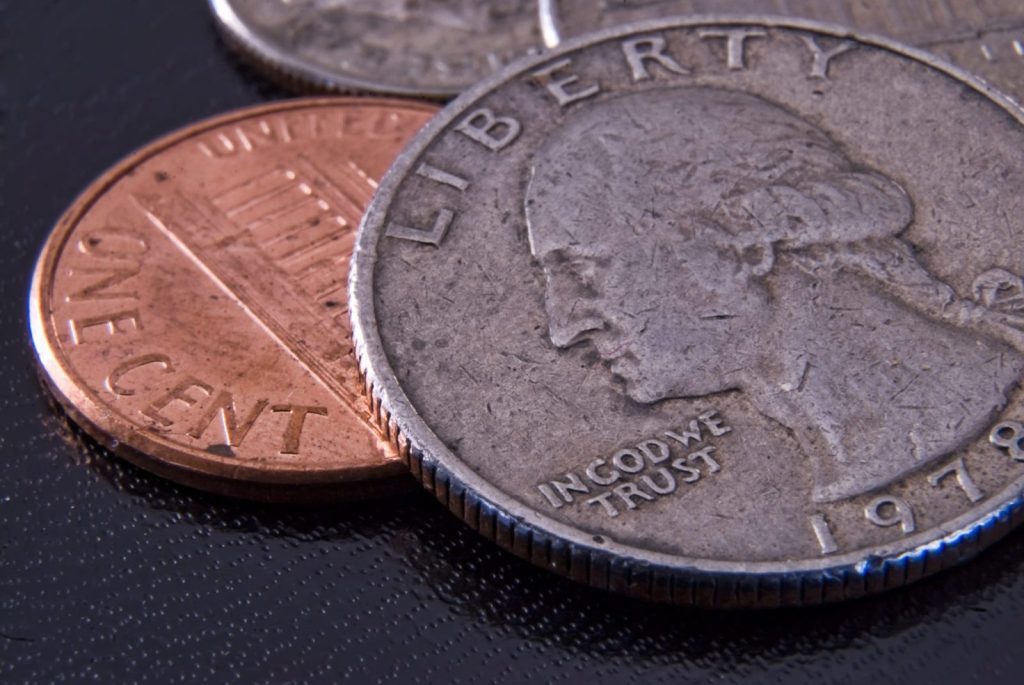
Open a standard homeowners policy, the widely used ISO HO-3 form, and look for the special limits. Buried there is a line that lumps together “money, bank notes, bullion, gold other than goldware, silver other than silverware, platinum other than platinumware, coins, medals, scrip, stored value cards and smart cards.” The total limit on that entire category is commonly $200.
That $200 is not a deductible or a starting point. It is the ceiling, and it applies no matter how large your dwelling coverage is. A home insured for three million dollars still caps your bullion at two hundred. Worse, it applies across perils, theft and fire alike, and it sits below a typical deductible of $500 to $2,500. Do the arithmetic and the coverage is effectively zero: the loss has to clear the deductible before anything pays, and the payout can never exceed the cap.
People sometimes assume the higher jewelry or silverware limits will help. They will not. Homeowners forms grant separate, larger allowances for jewelry theft and for manufactured goldware and silverware, but investment bars and bullion coins are none of those things. They fall under the money and bullion line, and that line is where the money runs out.
How to insure a gold and silver collection properly
There are two honest ways to close the gap, and they are not equal. You can attach the collection to your existing homeowners policy, or you can buy a standalone policy built for coins and metals. Both start from the same premise: the insurer needs to know the metal exists and what it is worth.
Route one: a scheduled personal property endorsement
Your homeowners insurer can add a scheduled personal property endorsement, sometimes called a rider or a floater. It lifts the collection out of that $200 box and covers it on an agreed or itemized basis, usually with broader perils and often with no deductible on the scheduled items. The tradeoffs are that it typically requires appraisals and documentation, it tends to cost more than a specialist policy, and a claim against it can raise the premium on the home policy itself. For a small holding it can be convenient. For a serious collection it is rarely the cheapest path.
Route two: a dedicated coin and bullion policy
Specialist insurers write coverage for exactly this asset. Names collectors run into include Collectibles Insurance Services, Risk Strategies (which now runs the long-standing Hugh Wood numismatic program), and Foa & Son, whose coin policy is underwritten by Lloyd’s of London. The American Numismatic Association offers members an insurance program through Risk Strategies as a membership benefit. These policies generally cost a small fraction of a percent of the insured value, far below a homeowners endorsement, and they usually cover the metal at home, in a bank box, and in transit or the mail.
Read the fine print, because terms differ in one place that matters. Mysterious disappearance, meaning a loss you cannot explain or prove, is the fault line. Some dedicated policies cover it: Foa & Son’s Lloyd’s-backed policy lists “mysterious or unknown loss” among covered perils with no deductible. Others exclude it outright. Collectibles Insurance Services, for instance, is all-risk and starts deductibles at zero, but it explicitly does not cover mysterious disappearance and pays for losses above $50. It also does not require a schedule or appraisal for most items, though you must keep your own inventory and any single item over $25,000 has to be listed. Two good policies, one meaningful difference. Know which one you bought.
Agreed value versus actual cash value
Every policy pays on one of two bases, and the distinction decides how a claim actually settles. Agreed value means you and the insurer fix the payout amount in advance, usually backed by an appraisal, and that is what you collect. Actual cash value, or market value, means the insurer pays what the item is worth at the moment of loss, and you carry the burden of proving that number.
For plain bullion the difference is mild, because a one-ounce coin is worth its metal content and that tracks the spot market whichever way you insure it. For numismatic and graded coins it is the whole question. A rare-date coin carries a collector premium far above its melt value, and only an agreed-value policy tied to a current appraisal reliably protects that premium. If your collection leans numismatic, agreed value with fresh appraisals is worth paying for.
Documentation is the whole game
Whatever route you choose, the claim you eventually file is only as strong as the records behind it. Keep a written inventory with dates, quantities, weights, and grades, and photograph each significant piece. Hold onto purchase receipts, and get professional appraisals for anything with real numismatic value, refreshed every few years as the market moves. Store that paperwork somewhere other than with the metal, so a single fire or burglary does not take both. This is the same habit that makes tracking your physical gold and silver worthwhile and the same record your heirs will need, so the effort pays three ways at once. If you have already thought through passing your collection to your heirs, the inventory is mostly built.
Match the coverage to where the metal lives
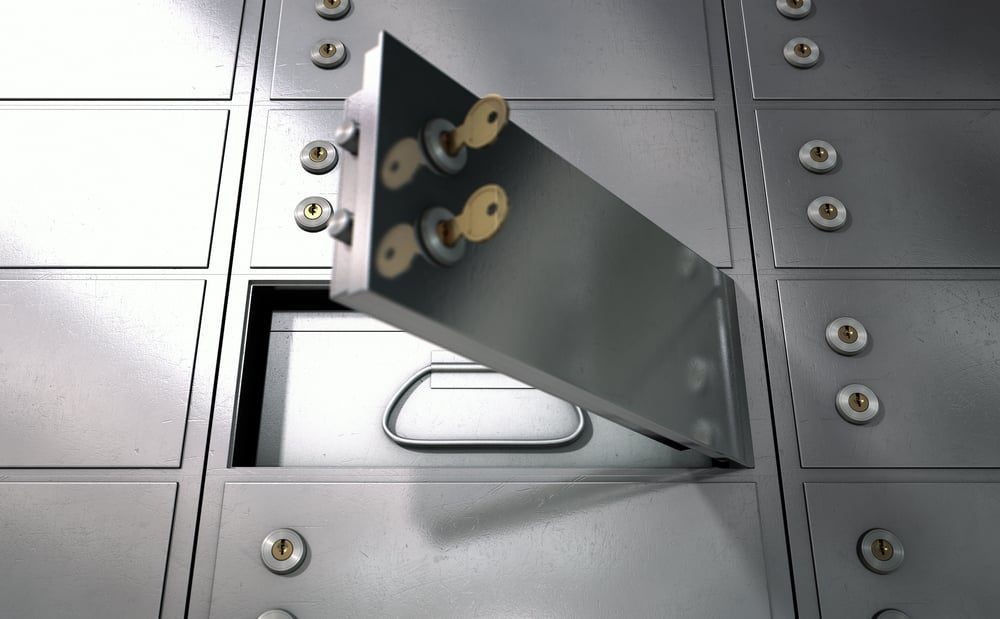
Insurance and storage are one decision, not two. A homeowners policy usually extends only a slice of its personal-property limit, often around ten percent, to belongings kept away from the home, so metal sitting in a bank safe deposit box can be badly underinsured even after you schedule it. The bank does not insure the box contents, and federal deposit insurance does not touch them either. A private depository will carry its own coverage, typically through Lloyd’s, but read whether your holding is segregated or commingled and whether the stated coverage is full replacement or a capped pool. The cleanest answer is a dedicated policy that follows the metal wherever you keep it, which is one more reason collectors who compare their storage options tend to land on standalone coverage.
The cheapest part of owning metal
Properly insuring a gold and silver collection is not the expensive part of ownership. It is a page of paperwork, an honest inventory, and a premium measured in small fractions of what the metal is worth. The mistake is assuming the homeowners policy already has it handled. It almost certainly does not, and the $200 line proves it. Spend an afternoon on the inventory, get the right policy on the right basis, and store the records apart from the stack. For the wider picture of how physical metal fits a holding, our how it works and rules of gold pages are a good next stop, and you can browse the coins we follow whenever you are ready to add to what you are protecting.