


Buying the metal is the easy part. The question that keeps people up at night comes later: where do you actually keep a stack of gold and silver so it is safe, insured, and still yours to reach when you want it? There is no single right answer. A tube of silver rounds and a small pile of gold coins ask very different things of you, and the honest way to think about how to store gold and silver is to weigh three real options against the size of your holding and how often you plan to touch it.
How to store gold and silver: the three real options
Almost every private holder ends up using one of three homes for their metal, or some blend of them as the stack grows. Each trades convenience against security in its own way.
At home
Home storage wins on control. You can hold your coins, show them to your kids, and sell on a day’s notice without asking anyone’s permission. A quality safe that is both fire-rated and heavy enough to resist a two-person carry-off is the baseline, ideally bolted to the structure and tucked somewhere that is not the first place a burglar looks. Some people go further with a floor safe or a diversion hiding spot for a portion of the stack.
The catch is that everything now rides on your own discretion. The more people who know what you keep and where, the weaker the plan becomes. Home storage suits smaller holdings, the coins you actually enjoy handling, and anyone who values instant access over institutional security. Just keep good private records of what you own, since a safe full of metal is only as useful to your family as the inventory that explains it. Our guide on tracking your physical gold and silver walks through how to do that without leaving a treasure map lying around.
A bank safe deposit box
The box at the bank feels like the obvious upgrade, and for many holders it is a reasonable middle ground: strong physical security, off-site from your house, and cheap relative to a private vault. Access is limited to banking hours, which is a mild annoyance and, in a genuine crisis, potentially more than mild.
Here is the part that surprises people. The FDIC does not insure the contents of a safe deposit box. That agency insures deposit accounts, not the coins, cash, or documents inside a box, and most banks do not self-insure box contents against theft, fire, flood, or disaster either. If you go this route, treat the box as secure square footage and nothing more, then arrange your own coverage separately. Read the box agreement before you sign it, because the bank’s liability is usually written to be very narrow.
A private depository
For larger holdings, a professional precious-metals depository is what serious money uses. These are purpose-built vaults with alarms, audits, and, importantly, real insurance, typically underwritten through names like Lloyd’s of London. You generally choose between two arrangements. Segregated (or allocated) storage keeps your specific coins and bars set aside under your name, so the exact pieces you deposited are the exact pieces you get back. Commingled storage pools metal of the same type and returns equivalent product rather than your individual coins, usually at a lower cost. Segregated is the right choice for anything with numismatic character or a finish you care about; commingled is fine for generic bullion where one ounce is as good as the next.
The tradeoff is ongoing cost and a little friction to retrieve your metal. In exchange you get security and insurance that a home safe cannot match. If you are weighing vaulting providers, a good dealer directory can point you toward established firms rather than an outfit you found through a banner ad.
Insurance is the part people skip
Ask a new stacker how their metal is insured and the answer is often a shrug and the phrase “homeowners policy.” That policy is rarely the safety net people assume. Standard homeowners and renters policies carry a special sublimit for coins and precious metals that is frequently as low as a couple hundred dollars in total, a figure set long before you bought your first tube of silver. Your overall dwelling coverage might run into the hundreds of thousands, yet the slice available for coins can be capped at a token amount.
To cover metal at real value you generally have to schedule it: add a rider or a valuables endorsement that lists the holding and insures it specifically. That costs extra, and for a large collection the premium can climb enough to make a depository’s all-in insured storage look competitive. The point is not to scare you off home storage. The point is that insurance is a decision you make on purpose, with a number written on it, rather than an assumption you inherit from a policy that was never designed for bullion.
Whatever you store and wherever you store it, know the metal value of what you hold. Melt value is the floor under any bullion coin, and keeping an eye on the spot market tells you roughly what your ounces are worth before any collector premium.
A special case: metal inside an IRA
If your gold or silver sits inside a self-directed IRA, the storage decision is made for you by law. Under the tax code, IRA precious metals must be held by an approved custodian or trustee, not in your closet or your bank box. Taking personal possession, even briefly, can be treated as a full distribution of the account, with taxes and, if you are under retirement age, a penalty on top. The 2021 Tax Court case McNulty v. Commissioner shut the door on the clever workarounds that marketers once pitched as “home storage IRAs.” The rule is simple in practice: retirement metal lives at an approved depository, and metal you want in your own hands should be bought outside the IRA in the first place.
Matching the method to the stack
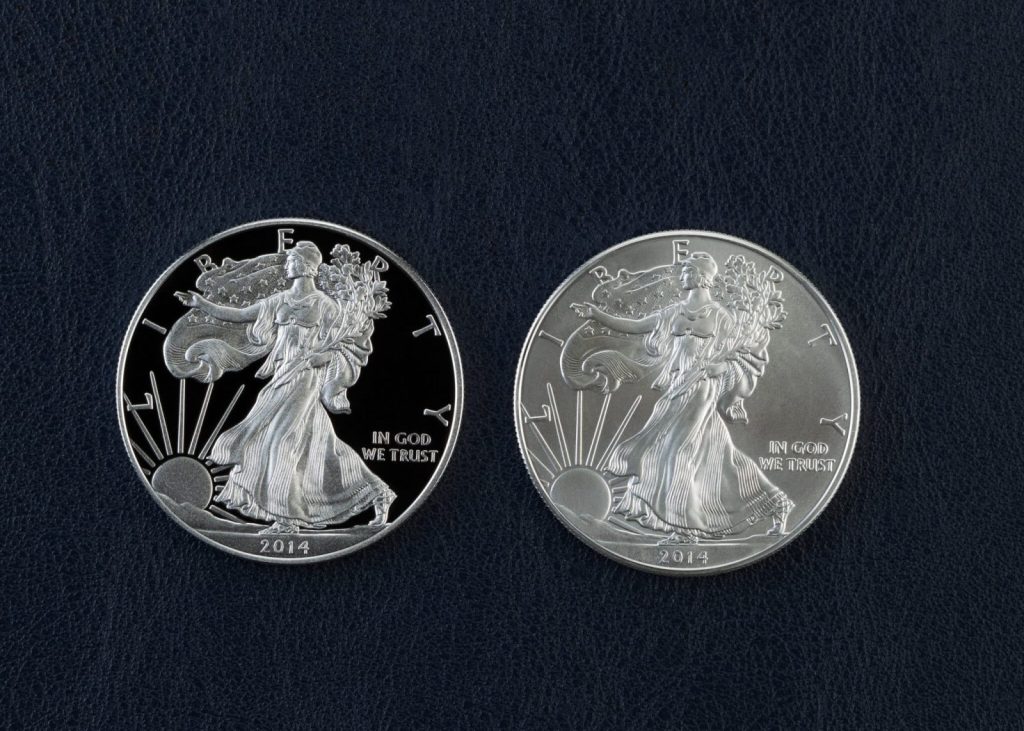
Think of it as a ladder rather than a single choice. A modest holding you like to handle, say a few gold Eagles and a run of silver Eagles, lives comfortably in a good home safe with a scheduled insurance rider. As the stack grows past what you are comfortable insuring or hiding at home, a bank box or a depository takes the overflow, and many holders keep a small “reach it tonight” reserve at home while the bulk sits vaulted and insured. There is quiet wisdom in not keeping every ounce in one place.
None of this requires perfection on day one. Start with a safe and honest records, add coverage as the value climbs, and move to institutional storage when the size of the holding earns it. If you want the broader philosophy behind owning physical metal, our rules of gold and the how it works primer are good next stops. The goal is boring on purpose: metal that is secure, insured for what it is truly worth, and simple enough that the people who inherit it will know exactly what they are holding.