

The coin arrived in a plastic flip stamped with a famous mint’s name, and it weighed almost exactly one troy ounce. Almost. By the time the buyer thought to put it on a scale, the online seller had vanished. Versions of this story circulate through every coin club in the country, and they all end the same way: with a lesson that would have cost nothing to learn in advance.
Counterfeits are a permanent feature of this hobby. The encouraging part, and it surprises most new collectors, is that fake gold and silver coins are hard to make well. Gold and silver have physical properties that cheap metals cannot imitate, which means you do not need a laboratory to catch most fakes. You need a scale, a pair of calipers, a strong magnet, and a few habits.
Why the physics is on your side
Gold is one of the densest materials you will ever hold, about 19.3 grams per cubic centimeter for .999 fine metal. Silver comes in at roughly 10.49. The metals counterfeiters can afford (copper, zinc, lead, steel) are far lighter for their size. That creates a trap with no exit: a fake that weighs correctly has to be noticeably too large, and a fake with correct dimensions has to be noticeably too light. A counterfeiter cannot get both right without using the real metal, at which point there is nothing left to steal.
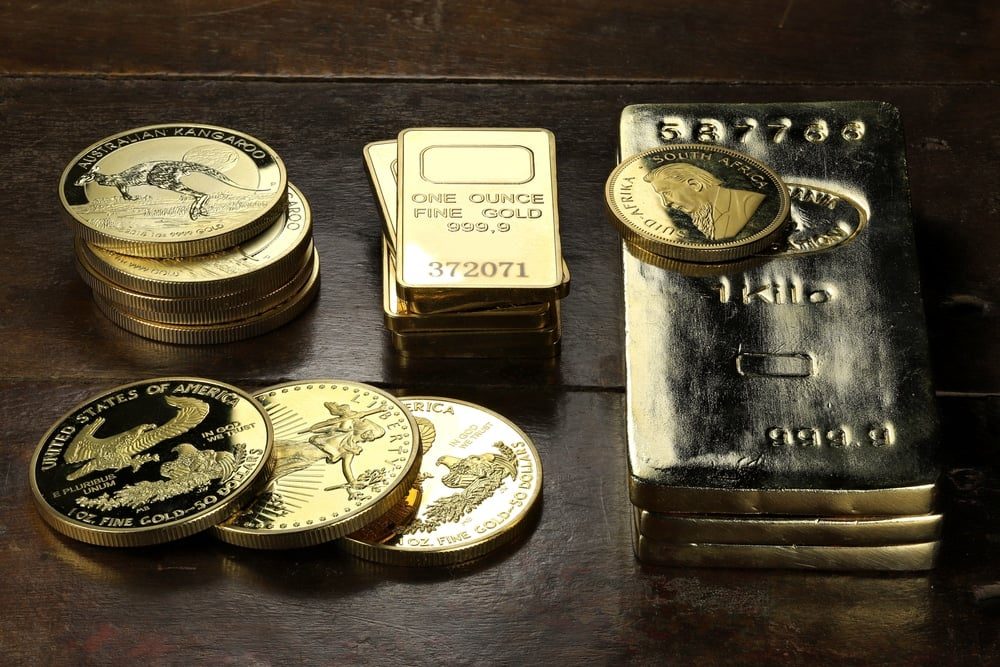
The one caveat is tungsten, which sits at about 19.25 grams per cubic centimeter, uncomfortably close to gold. Tungsten is brittle and difficult to strike into coin detail, so it shows up more often inside bars than coins, but thick gold pieces deserve extra scrutiny and, when in doubt, an electronic test.
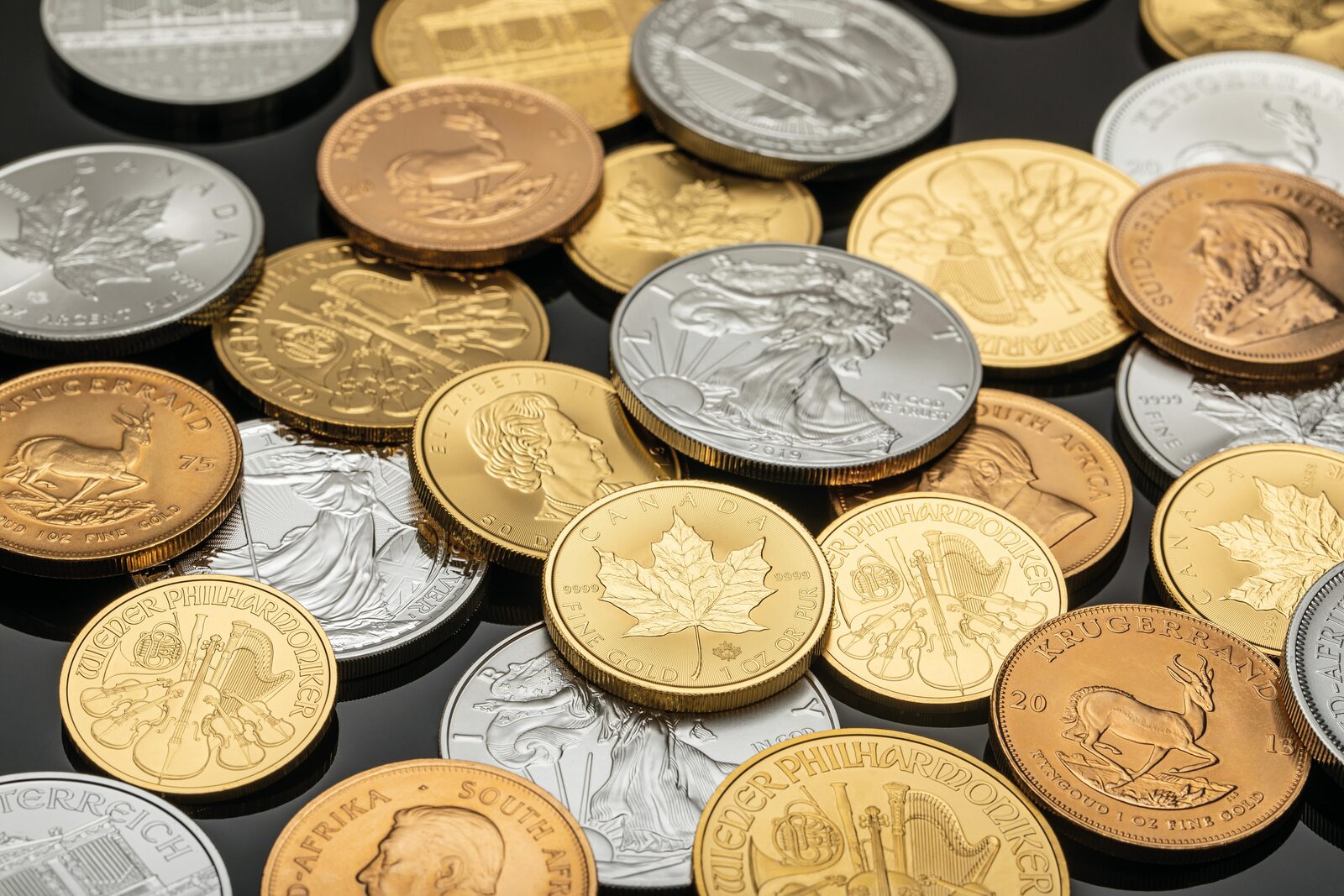
Every government bullion coin publishes exact specifications, and you should know them for whatever you own. An American Silver Eagle weighs 31.103 grams and measures about 40.6 millimeters across. A one ounce Gold Eagle weighs 33.931 grams, more than its troy ounce of gold, because the Mint adds copper and silver for durability. Those numbers are not trivia. They are the standard your calipers check against.
Five tests that catch most fake gold and silver coins
Start with a digital scale that reads to a hundredth of a gram. Bullion coins are struck to tight tolerances, so a coin that misses its published weight by more than a few tenths of a gram has already told you what it is. Then measure. A cheap set of calipers gives you diameter and thickness in seconds, and dimension is where fakes that pass the scale get caught.
Third, the magnet. Neither gold nor silver is magnetic. If a coin snaps to a magnet, the test is over. A strong neodymium magnet adds a subtler check on silver: slide it across a silver coin held at an angle and it moves with a strange, slow drag, braked by eddy currents in the diamagnetic metal. On a plated fake it skates right off.
Fourth, the ping. Balance a silver coin on a fingertip and tap its edge with another coin. Real silver rings with a high, clear tone that lingers. Base metal answers with a dull click. Free phone apps can analyze the ring frequency against known coins, but after a dozen tries your ear will not need the help.
Fifth, for silver only, the ice test. Silver conducts heat better than any other metal, so an ice cube set on a silver coin begins melting almost immediately. It is a parlor trick, but it is honest physics. Collectors who want one step more can run a specific gravity test at the kitchen sink: weigh the coin dry, suspend it in water by a thread, and divide dry weight by the water it displaces. If the answer is not close to the density figures above, the coin is not what it claims.
The security features minted into modern coins
Since 2021, the U.S. Mint has done some of this work for you. Every one ounce Gold and Silver Eagle now carries a deliberate notch in its reeded edge, a single missing reed, and the Mint moves its position each year (it sat at the bottom of the coin in 2021 and has migrated since). The Mint also says the coins carry covert features it will not describe. Counterfeiters copying an older design miss these details.
Sanity checks cost nothing. The Silver Eagle series began in 1986, so a 1906 Silver Eagle is not rare, it is impossible. Weak or mushy reeding, soft design detail, and casting bubbles all point the same direction. Know what a genuine example looks like before you shop, not after.
Slabs, sellers, and the law
Counterfeiters eventually noticed that collectors trust the plastic more than the coin, so fake grading slabs now exist too. Every major grading service lets you look up a certification number on its website, usually with photos of the actual coin. If the images do not match the slab in your hand, walk away. If you are new to certified coins, our guide to how coin grade affects value explains what the holder does and does not guarantee.
Federal law is on your side here, at least on paper. The Hobby Protection Act requires imitation numismatic items to be permanently marked COPY in capital letters of a minimum size, and the Collectible Coin Protection Act of 2014 extended liability to anyone who knowingly sells unmarked fakes or assists those who do. The trouble is that the counterfeiters most worth worrying about have never read the statute. The law helps after the fact. Your scale helps before.
The strongest defense remains boring: buy from established dealers with a return policy and a reputation to lose. Deals from strangers priced far below melt value are not deals, since nobody sells real metal for less than the refinery pays. Our survey of why people look up coin values found that most buyers check prices only after money has moved. Reverse that order.
When a coin fails the test
Do not panic, and do not pass it along. Get a second opinion from a local dealer or coin club, since an odd scale reading is sometimes just an odd scale. If the coin is confirmed fake, report the seller to the marketplace and keep the listing records; the 2014 law gave real teeth to those complaints. Then fold the experience into your routine. Collectors who keep an inventory of their physical holdings with weights and measurements already recorded tend to catch problems the day a coin arrives, not years later during an estate appraisal.
Fake gold and silver coins depend on buyers who never test them. Thirty dollars of equipment and five minutes of attention per coin removes you from that population, which is exactly where you want to be.