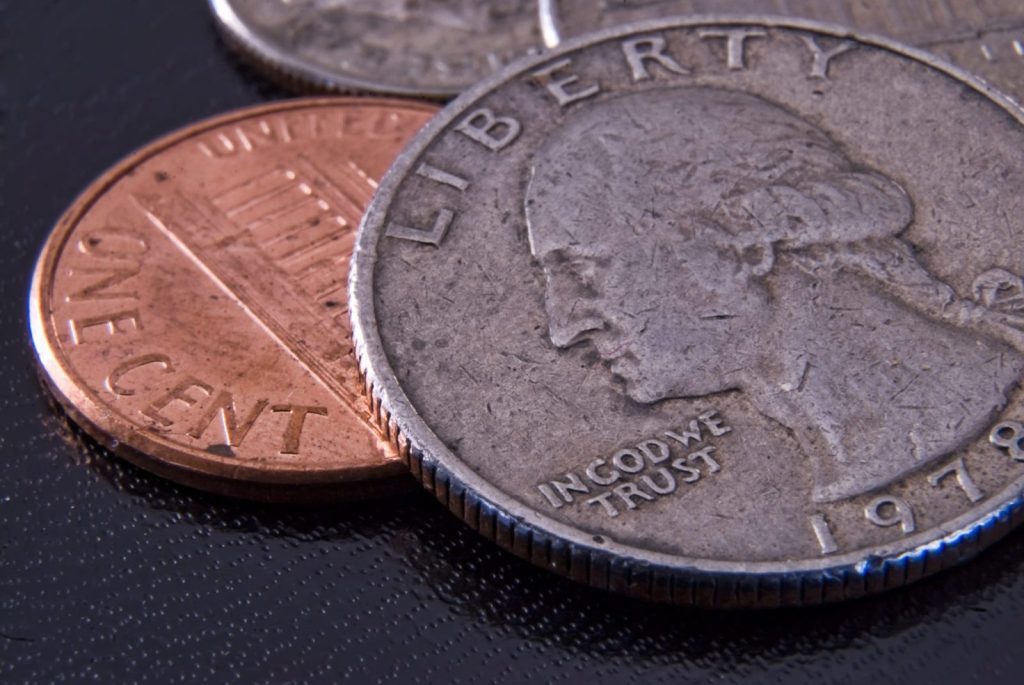

Turn a U.S. coin over and look for a small letter near the date or the design. That letter is a return address. It tells you which building struck the coin, and behind each one sits a piece of American history: a gold rush, a silver boom, a war that shut the doors, a modern vault that now makes the bullion coins collectors chase today. The main Mint in Philadelphia has never worked alone for long. Over two centuries the country opened branch mints wherever the metal was coming out of the ground or the commerce demanded coin, and the story of those branch mints is really the story of the nation moving west.
One Mint, then a network of branch mints
The Coinage Act of April 2, 1792 created the United States Mint and put it in Philadelphia, then the national capital. The Mint building on Seventh Street is often called the first federal building erected under the Constitution. Its presses struck the country’s first circulating coins, copper cents, in 1793. Because it was the only mint for decades, Philadelphia carried no mint mark at all, and that habit stuck: for most of its history a coin with no letter came from Philadelphia. A “P” did not appear regularly until wartime nickels in 1942, and it spread to most other denominations only in 1980. The cent finally got a “P” in 2017, for the Mint’s 225th anniversary.
Philadelphia remains the mother mint. It engraves the master dies, trains the engravers, and to this day strikes coins for circulation alongside Denver. Everything that follows grew out of a simple problem: gold and silver were being mined hundreds of miles from Philadelphia, and hauling raw metal across the country to be coined was slow and risky.
The southern gold mints: Charlotte, Dahlonega, New Orleans
America’s first gold rush was not in California. It was in the southern Appalachians, in North Carolina and Georgia, decades earlier. To coin that gold close to the source, Congress passed the Act of March 3, 1835, signed by Andrew Jackson, authorizing three branch mints. All three began striking coins in 1838.
Charlotte, North Carolina (mint mark “C”) and Dahlonega, Georgia (mint mark “D”) made gold coins only, and only the smaller denominations: gold dollars, quarter eagles worth $2.50, and half eagles worth $5. Dahlonega’s first coins, $5 half eagles, came off the presses in April 1838. New Orleans (mint mark “O”) was the largest of the three and the most versatile, striking both gold and silver to serve the busy commerce of the Mississippi River port.
All three closed in 1861 at the outbreak of the Civil War, when Confederate forces took control of the facilities. Charlotte and Dahlonega never reopened as mints. New Orleans came back to life in 1879 and coined again until it stopped for good in 1909. Because they operated so briefly and struck small quantities, coins from Charlotte and Dahlonega are scarce and closely studied, which is one reason a mint mark is worth learning to read. If you want the mechanics of finding and interpreting those letters, our companion piece on how to read mint marks on U.S. coins walks through where each one hides.
Gold rush and silver boom: San Francisco and Carson City
When the California gold rush hit, the pattern repeated on a far larger scale. The San Francisco Mint opened in 1854 to turn a flood of western gold into coin instead of shipping it east as dust and nuggets. Its “S” mint mark has appeared on coins ever since. San Francisco still operates today, though its role has shifted: for many years now it has specialized in proof coins, the mirror-finish pieces struck for collectors rather than for pocket change.
A different metal built the next branch. The Comstock Lode in Nevada was one of the richest silver strikes in history, and in 1870 the Carson City Mint opened to coin it on the spot. Carson City struck coins, mostly silver but some gold, from 1870 to 1893. Its “CC” mark is among the most prized in American numismatics, and Carson City silver dollars in particular carry a mystique out of proportion to how many were made. The building outlived its coining days and now houses the Nevada State Museum, its old Coin Press No. 1 still on site. If Comstock silver is your interest, you can browse related pieces such as the Morgan Dollar series, the classic dollar Carson City is famous for.
The modern workhorses: Denver and West Point
Denver is the branch most Americans handle every day without noticing. It began as a federal assay office in 1863, during the Colorado gold rush, and was upgraded to a full coining mint in 1906. Its “D” mint mark created a small puzzle for collectors, because Dahlonega had used the same letter seventy years earlier. The answer is simple: date the coin. A “D” before 1862 is Dahlonega gold; a “D” from 1906 onward is Denver. Today Denver is one of the two high-volume circulating mints, turning out billions of coins a year alongside Philadelphia.
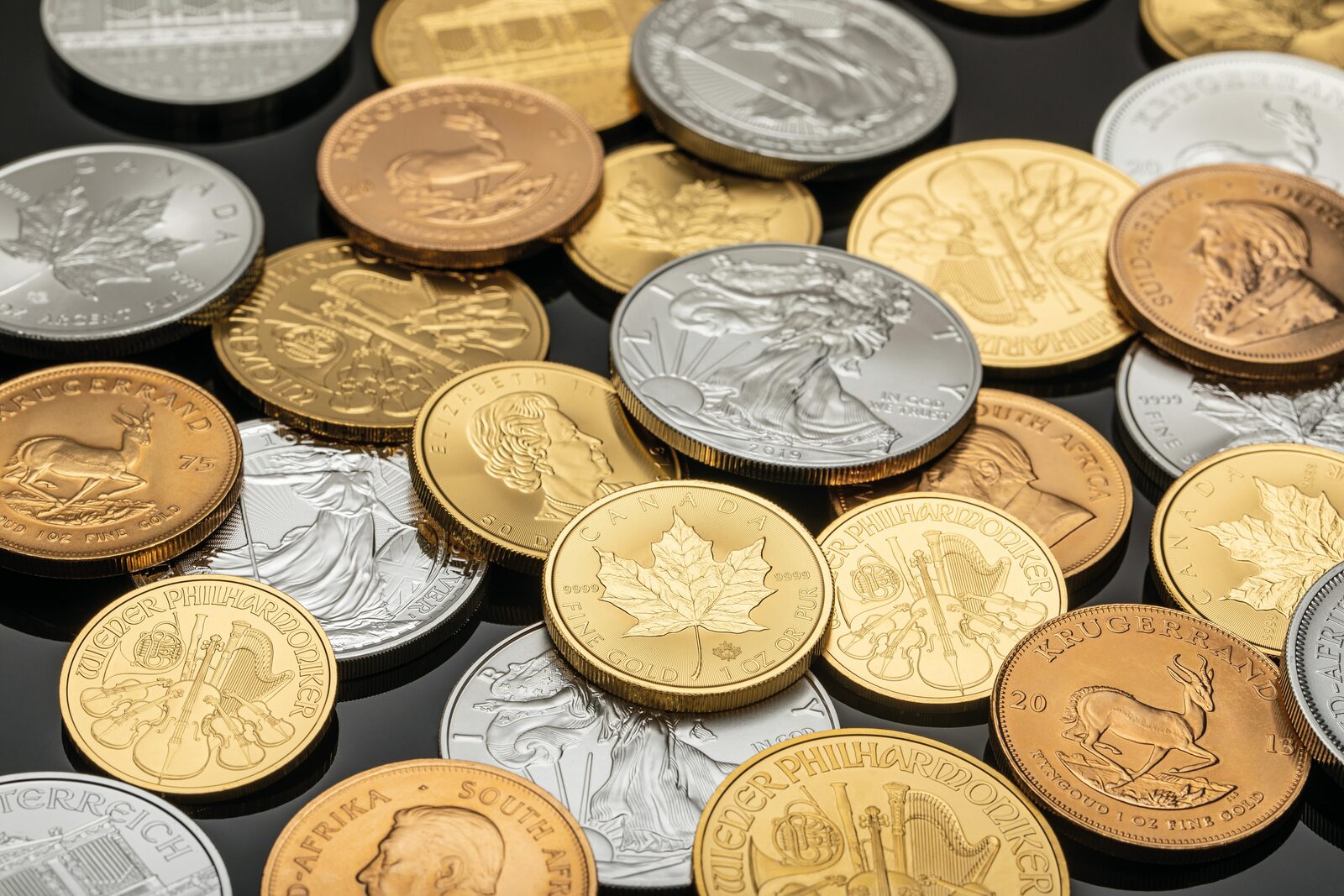
The newest branch tells a very modern story. West Point, New York started in 1938 as a bullion depository, a vault that once held so much silver it earned the nickname “The Fort Knox of Silver.” It began striking cents in 1974 to help meet demand, and it received official status as a United States Mint in 1988. Its “W” mark is now closely tied to precious metals: West Point strikes the gold, silver, and platinum American Eagle coins along with many commemoratives. The “W” did not appear on an ordinary circulating coin until 2019, when the Mint slipped a small run of “W” quarters into circulation as a treasure hunt for collectors. Anyone buying bullion today is likely holding West Point’s work, whether a Gold Eagle or a modern Saint-Gaudens style design revived on the Saint-Gaudens tribute pieces.
Why the letters still matter
A mint mark is more than trivia. It ties a coin to a place, a date range, and a mintage, and those three facts together shape how scarce a given piece is. A common design from a low-output branch in a single year can be far harder to find than the same design struck by the millions elsewhere. That is the thread running through many of the great American rarities, and if you enjoy those stories, our piece on famous rare U.S. coins and the stories behind them leans heavily on where and when each was made.
The branch mints also map the country’s economic history in miniature. Southern gold built Charlotte and Dahlonega. River commerce needed New Orleans. California and Nevada raised San Francisco and Carson City. Denver anchored the mountain west, and West Point turned an Army-town vault into the home of modern bullion coinage. Denominations came and went across those same years, a subject we cover in discontinued U.S. coin denominations.
Next time a coin passes through your hands, find the letter. No letter usually means Philadelphia. A “CC” means someone in 1870s Nevada pressed Comstock silver into a dollar. A “W” means a vault above the Hudson River made a modern bullion piece. To see how those marks connect to what a coin is actually worth, start with how it works, or simply browse the coins and start reading the letters yourself.