

Before we rebuilt our “How collectors and investors use FMV Gold” page, we did something unusual for a valuation site: we went out and listened. Our research team swept roughly sixty sources — collector forums, estate guides, hobby press, search results, and the tools people currently use — to understand how people actually arrive at the question “what are my coins worth?” What we found changed how we talk about what we do. This article shares the findings.
The finding that reframed everything
We expected the research to be about curiosity — people wondering what a coin is worth the way you’d wonder about the weather. That is not what the record shows.
Across every situation we studied — the heir with a box of coins, the widow settling an estate, the lifelong collector, the silver stacker, the retiree weighing a gold pitch — the unifying emotion was the same: fear of being cheated. Not curiosity. Fear.
The stories behind that fear are hard to read. In one estate-planning discussion, a longtime collector described heirs who took a half-million-dollar collection to cash-for-gold shops and walked away with $15,000 and $25,000. A respected numismatic writer warns heirs never to open with “I don’t know anything about these coins,” because — in her words — “such proclamations are an invitation to be fleeced.” Another collector put the estate question bluntly: without a documented inventory, your family could be “at the mercy of unscrupulous coin dealers, of which we know exist.”
Where the money actually leaks
Here is the part that surprised us most: the damage usually isn’t outright fraud. It’s the invisible spread — the gap between a coin’s fair value and the number someone quotes you when they know you can’t check.
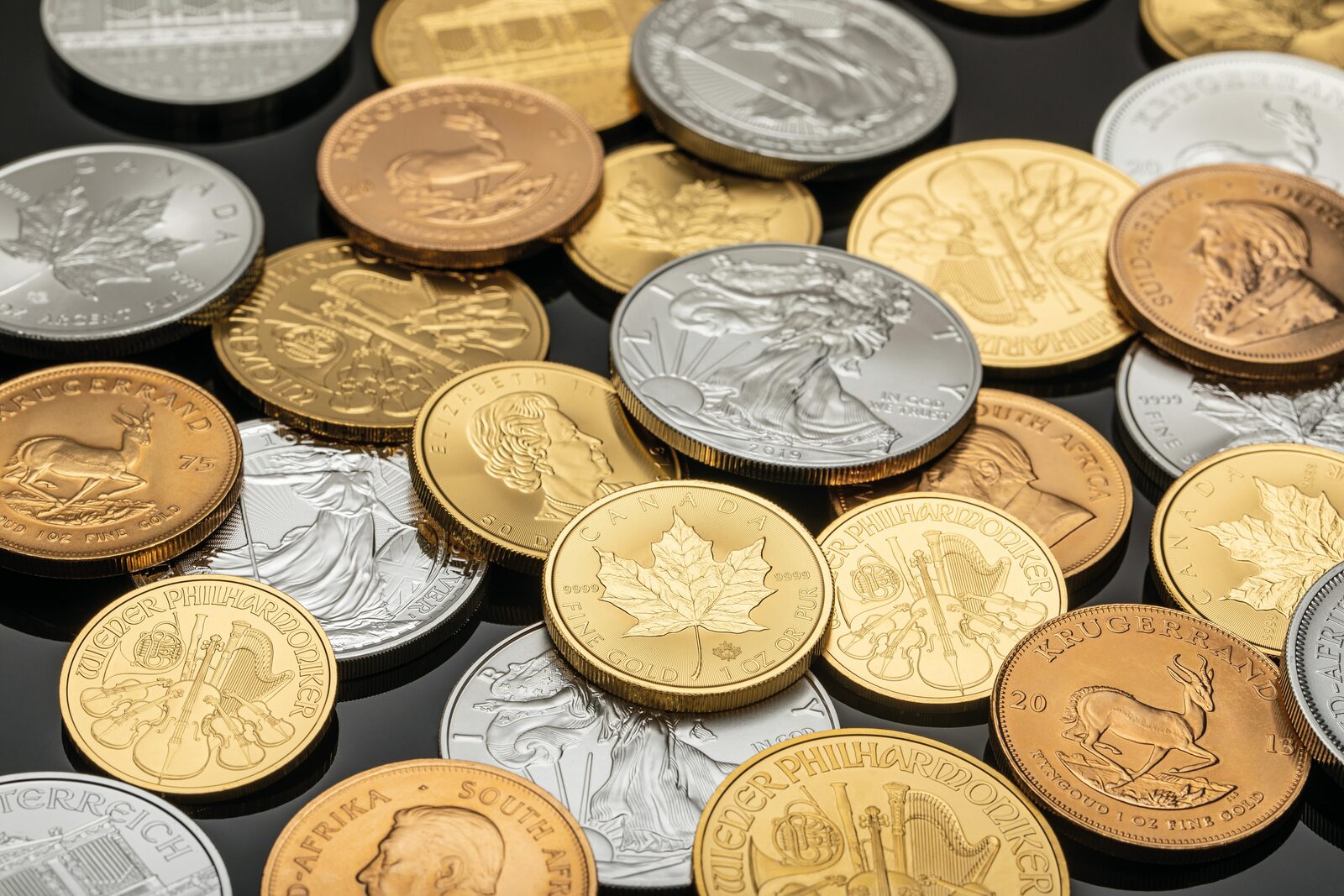
A common coin makes the point. A Morgan silver dollar contains 0.7734 troy ounces of silver — its melt value moves with the spot price every day. But the same coin’s fair market value typically runs well above melt, because collector demand adds a premium. A scale-and-melt buyer pays you for the metal and keeps the premium. Multiply that across a whole inherited box and the “small” gap becomes the largest number in the transaction — and nobody had to lie to you for it to happen.
Retirees evaluating gold purchases described the same mechanics from the other side: markups of 5% to 35% over spot hiding inside confident sales pitches, and buyback offers that quietly land below spot on the way out.
The guilty spreadsheet
We also asked how collectors track what they own. The most honest answer we found, from a veteran collector asked exactly that question: “Not very well.”
The pattern repeats everywhere — an Excel file started years ago, values typed in by hand and long stale, photographs in a folder on some hard drive. One collector told his forum that the best thing you can do for your estate is simply to organize and inventory your collection; another worried that the coins he spent a lifetime hunting would be “carelessly plunged back into circulation” by relatives who couldn’t tell a rarity from pocket change.
Every one of those spreadsheets fails at the same moment: the day its owner isn’t there to explain it.
What we changed
The research went straight into the rebuilt use-cases page, and its fingerprints are all over it:
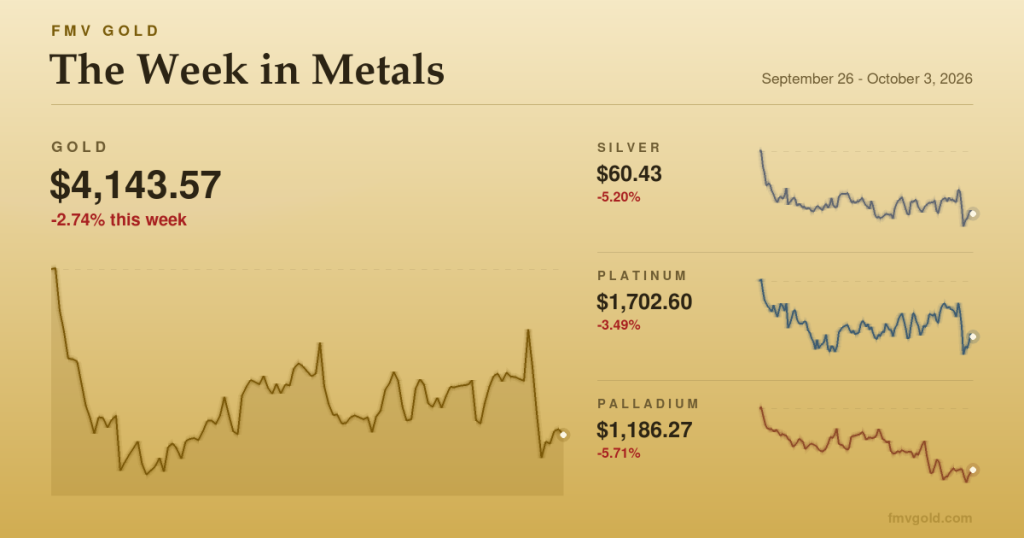
We lead with the number, not the pitch. The page opens with live spot prices and computes real coins’ values as it loads — melt value and fair market value side by side, so the premium a hasty sale loses is visible before anyone makes you an offer.
We meet people in their actual situation. Instead of feature lists, the page walks three real situations step by step: inheriting coins, organizing a collection, and holding metals as an investment — in plain language, with the jargon (melt, spot, premium, key dates) explained the first time it appears.
We show the math instead of testimonials. Our research on trust was unambiguous: for an audience heavily targeted by high-pressure sales, the credible proof is a transparent calculation you can check — not praise. So the formula is on the page: fair market value = the metal (weight × live spot) + the collector premium, priced from the same live feed as our markets page.
We say plainly what we are not. FMV Gold values coins; we don’t buy or sell them. That neutrality — a valuation from someone with nothing to gain from the answer — turned out to be the single most important thing we offer, and the research is why we now say it out loud.
If you take one thing from this
Whether you inherited a box yesterday or have collected for fifty years: understand before you decide. Coins don’t expire, and there is no offer so good it can’t wait for you to know what you’re holding. Look a coin up, see its melt value and fair market value side by side, and walk into any conversation with a number of your own.
Start with one coin on What’s my coin worth? — free, no account needed. And if the moment comes to sell, our state-by-state dealer directory can help you find someone reputable near you.
Quotes above are drawn from public collector-forum discussions and hobby-press guidance reviewed during our research; they reflect their authors’ experiences, not FMV Gold customers. Nothing in this article is investment, tax, or legal advice.