

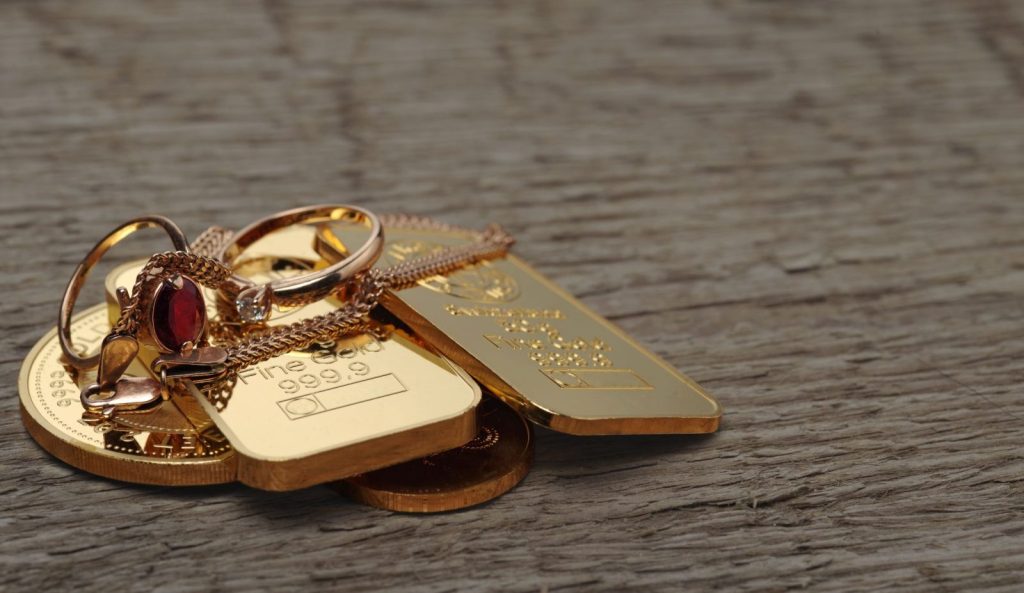
A gold bar looks like the simplest object a person can buy. One rectangle of metal, a weight, a purity, done. Then you actually go shopping and notice the bars do not all look alike. Some are mirror bright with crisp corners and a refiner’s logo pressed cleanly into the face. Others are matte and a little lumpy, rounded at the edges, with the numbers punched in rather than polished on. Same metal, same fineness in many cases, and yet clearly two different objects.
What you are looking at is two manufacturing traditions. One pours, the other presses. The distinction runs through the whole bullion market, from the one gram wafer in a card to the four hundred ounce brick sitting in a London vault, and it quietly affects both what you pay over metal value and how smoothly the bar sells when you are done with it.
Cast vs Minted Gold Bars: How Each One Is Made
A cast bar is made the old way. Refined metal is melted and poured into a mold, then left to cool and harden. There is no polishing step and no die work. Once the bar is out of the mold, its weight, fineness, refiner name and serial number are stamped or engraved into the surface. The process is fast, it needs very little equipment, and it has not changed in principle for centuries.
A minted bar borrows the coin process. The refiner rolls metal to an exact thickness, cuts blanks from the strip, weighs each blank, then strikes it under heavy pressure between engraved dies. Annealing and polishing are part of the sequence. The result is a bar with sharp shoulders, a uniform face, and usually a design and logo struck into it rather than punched on afterward.
That difference in method explains almost everything else. Pouring is one step; minting is half a dozen. Understanding cast vs minted gold bars is really just understanding how much work stands between the refined metal and the finished product you hold.
What the Difference Looks Like in Your Hand
Cast bars carry the evidence of the pour. You will see faint striations, a slightly wavy top surface where the metal settled, rounded corners, and occasionally a small dimple. No two are identical, which some buyers find genuinely appealing and others read as sloppiness. It is neither. It is what cooling metal does when nobody polishes it afterward.
Minted bars are uniform by design. Flat faces, square edges, a bright or frosted finish, clean lettering. If you line up ten of them they look like ten copies of the same thing, because that is precisely the point of striking from dies.
Weight tolerance follows the same logic. Minted bars hit their stated weight very tightly. Large cast bars are allowed to vary, which is why the wholesale trade stamps each one with its actual fine weight rather than a round number. A vault bar is not “400 ounces.” It is whatever it weighs, recorded to three decimal places.
Sizes: Where Each Method Lives
Minting dominates the small end. One gram through ten ounces is minted territory, and that is most of what a retail buyer encounters. Pouring dominates the large end: ten ounce and kilo gold bars, the hundred ounce silver bars stackers like, and the institutional monsters above them.
The wholesale market makes the point better than any sales page. A London Good Delivery gold bar holds between 350 and 430 fine troy ounces, at a minimum fineness of 995 parts per thousand, and must carry a refiner’s stamp, an assay mark, the fineness, a serial number, and, for bars made from January 2019 onward, the month and year of manufacture. Good Delivery silver runs around 1,000 troy ounces with a ten percent tolerance at a minimum 999 fine. Those are poured bars, every one of them.
Futures delivery works the same way. A COMEX gold contract settles in either one 100 ounce bar or three one kilo bars, minimum 995 fineness, from an approved brand, with a five percent weight tolerance on the contract unit. The plumbing of the gold market runs on cast metal. Retail buyers mostly meet the minted kind, which is worth remembering the next time someone implies that poured bars are somehow second rate.
What You Pay, and What You Get Back
Premium over metal value pays for fabrication, distribution and packaging, not for the metal itself. Since a cast bar takes fewer steps, less finishing, and often no fancy packaging at all, it carries the thinner premium of the two. Minted bars cost more to make, so they ask more, generally by a point or two over metal value at comparable sizes. The gap widens sharply as the bar shrinks, because a fixed minting cost spread over a smaller amount of metal becomes a bigger percentage every time. The same arithmetic drives the premiums on fractional gold pieces.
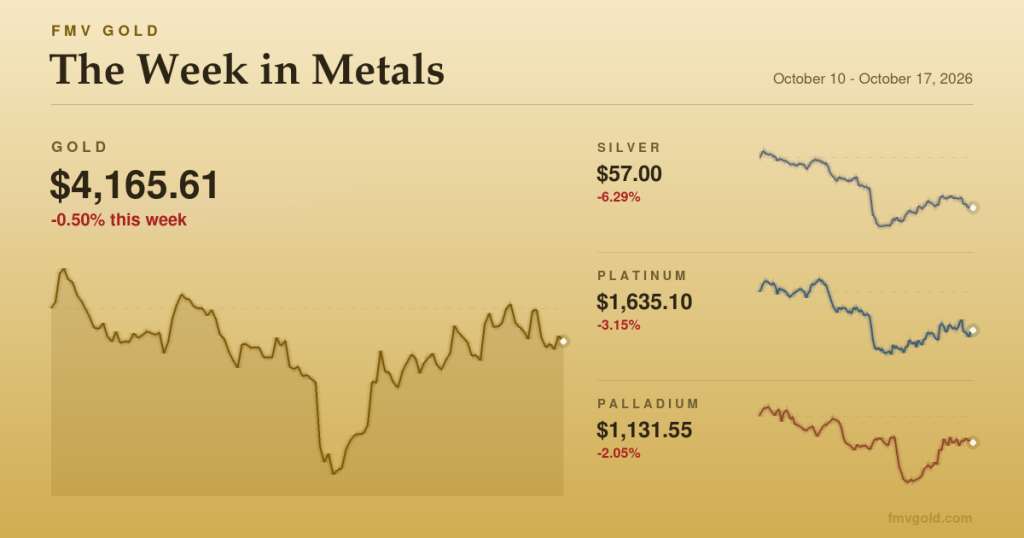
On the way out, both types sell readily so long as the refiner is one buyers recognize. A sealed minted bar with a serial number and an assay card authenticates in seconds, which tends to tighten the buyback a little. A loose cast bar may get a closer look, a weight check, or a test, and that friction can show up in the offer. Size cuts the other way: a kilo bar is a single indivisible lump, and with gold near $4,350 an ounce and silver around $66 in late September 2026, that lump represents a lot of money you cannot sell by halves. For more on how format drives the round trip, see our comparison of bars, coins and rounds and the basics of how buying and selling works.
Packaging, Serial Numbers, and Authentication
Minted bars usually arrive sealed in a tamper evident assay card that carries the serial number, weight, fineness and assayer’s mark. Some refiners add surface verification technology that matches a bar’s microscopic fingerprint against a database through a phone app. Cast bars typically come loose or in a simple plastic sleeve, and lean on the stamped hallmark, weight and serial number instead.
Two honest caveats belong here. Packaging can be counterfeited along with everything else, so a card is a convenience rather than a guarantee. And packaging is not metal: a presentation box adds nothing to the melt. Our guide to what bullion packaging actually tells you goes through the details, and the rules of gold cover the habits that keep you out of trouble generally.
Which One Belongs in Your Holding
If the goal is the most metal per dollar, stored quietly and not touched for years, cast bars in the larger sizes are the efficient answer. That is the traditional stacker’s choice and there is nothing unsophisticated about it.
If you want divisibility, quick authentication, or something that presents well as a gift, minted bars in smaller sizes earn their extra premium. And if recognition and liquidity matter most, government bullion coins are a third answer entirely, since they trade on a name the whole market knows. Either bar format can sit in a retirement account provided the metal meets the fineness rules and comes from a qualifying refiner, which we cover in the guide to IRA eligible gold and silver.
The useful thing about the cast and minted split is how little it has to do with quality. Both are refined metal to a stated fineness, both are assayed, both sell. One simply had more hands on it before it reached you, and you paid for those hands. Once the bar is in a safe, the metal price does the rest of the work.