
A penny collection just brought more than $300,000.
That headline is enough to send people rummaging through coffee cans, old albums and the change drawer beside the refrigerator.
Before anybody starts calculating retirement plans, however, we should examine what actually sold.
According to CoinNews, a 140-coin Lincoln cent collection realized $309,303 in an October 26 Heritage Auctions sale.
This was not a random assortment of pennies.
Heritage’s auction information identifies 93 coins graded MS67 or finer within the collection.
That detail changes the entire conversation.
The Difference Between Old and Exceptional
Two reported results help explain the market.
A 1914-D Lincoln cent graded PCGS MS64 Red realized $11,895.
A 1930-S Lincoln cent graded MS67 Red realized $10,980.
Those figures are reported realized prices, not hammer prices or amounts necessarily received by the seller after expenses.
And the coins are not interchangeable examples.
They have different dates, mint marks and certified grades. Comparing their realized prices does not isolate the effect of condition alone.
What the results do demonstrate is that serious buyers distinguish between ordinary examples and carefully evaluated certified specimens.
A Lincoln cent can be common in one grade and considerably more difficult to obtain in another.
That is the foundation of condition rarity.
Four Things Collectors Should Examine
Before assigning an ambitious value to a Lincoln cent, begin with the fundamentals.
Date and mint mark. Identify the specific issue. Different production histories can create very different collecting markets.
Certified grade. Small differences in preservation may matter substantially at the upper end of the grading scale. Do not assume a coin is exceptional because it looks shiny.
Color designation. For applicable copper cents, designations such as Red describe an important aspect of the coin’s appearance. Color should be considered alongside grade and overall eye appeal.
Surfaces. Spots, marks, cleaning and other problems can affect desirability. A high numerical grade is not permission to ignore the coin itself.
These factors should be evaluated together rather than reduced to one dramatic characteristic.
Realized Prices Beat Wishful Asking Prices
Auction results provide evidence of what buyers actually paid in a particular sale.
Online asking prices show what sellers hope to receive.
Those are not the same thing.
Even realized prices require context. Auction fees, the specific specimen, presentation and competitive bidding can influence the final amount.
Heritage’s published auction terms identify a buyer’s premium of 22%, subject to a $29 minimum. That is another reason to distinguish a reported realized total from a hammer bid or seller’s net proceeds.
Collectors should avoid making unsupported deductions about what the consignor received.
For owners of older Lincoln cents, preservation is equally important.
Unnecessary cleaning can damage original surfaces and undermine the very qualities that make a coin desirable.
FMV Gold’s guide to coin holders, capsules, albums and slabs offers useful background on storage choices.
The Real Lesson From $309,303
The auction demonstrates the depth of American numismatics.
A modest denomination introduced into everyday commerce can become the subject of serious study, careful preservation and competitive collecting.
But that market is selective.
The value attached to an exceptional certified Lincoln cent should not be transferred to an ordinary circulated example simply because both carry Abraham Lincoln’s portrait.
There is no need to diminish the achievement of a remarkable collection.
Just understand what made it remarkable.
The headline says $309,303.
The real story is the work required to assemble coins that collectors considered worth competing for.
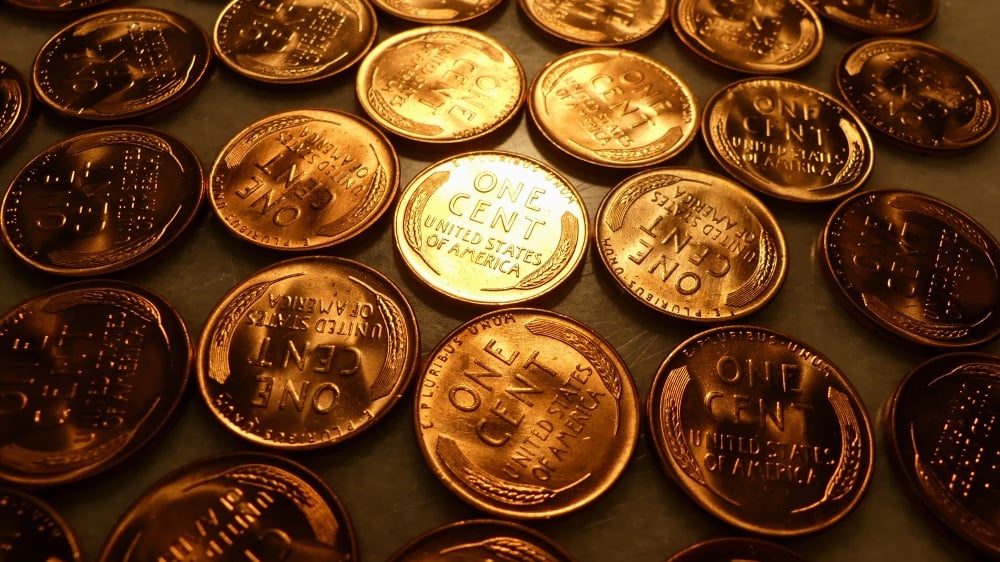
Image: Lincoln wheat cents, not the coins sold in the auction.