


The call usually comes on a weekday afternoon. A friendly voice, a mention of the radio ad you may have heard, and then the pitch: the dollar is in trouble, your retirement account is exposed, and a few gold coins could protect it. By the end of the conversation the coins on offer are no longer the plain bullion the caller started with. They are something special, limited, available today only.
Most gold and silver scams don’t involve fake metal at all. The coins are usually real. What’s fake is the price, the scarcity story, and sometimes the promise that the metal exists in a vault somewhere. Knowing how the big cases actually worked is the best protection a buyer has, so that’s where we’ll start.
How the biggest gold and silver scams actually worked
The cleanest example on the public record is Red Rock Secured, a California dealer sued by the Commodity Futures Trading Commission, the SEC, and regulators in California and Hawaii in May 2023. In April 2024 a federal judge entered consent orders against the firm and its executives, who settled without admitting or denying the allegations, according to the SEC.
The CFTC’s order lays out the pattern. A salesperson would quote a markup of 1 to 5 percent on common bullion, then steer the customer into “premium” Canadian coins. At least 950 people paid more than $69 million for coins the order said were worth only about $30 million, with markups between roughly 92 and 130 percent. Customers were told the firm had a “direct relationship” with the Royal Canadian Mint and that supply was limited. Neither was true; the firm bought from a wholesaler, and there was no mintage cap. Most customers paid with money from IRAs, 401(k)s, and similar retirement accounts. The SEC described the hook plainly: investors were urged to “protect” their retirement savings. Combined, the CFTC and SEC orders required tens of millions of dollars in restitution, disgorgement, and penalties.
A larger case followed the same script. In September 2020 the CFTC and 30 state regulators charged Los Angeles dealers TMTE (doing business as Metals.com), Chase Metals, and Barrick Capital, alleging they took more than $185 million from at least 1,600 mostly elderly customers, much of it retirement savings. The complaint alleged overcharges averaging 100 percent to more than 300 percent, sold on the claim that the coins were “rare” and deserved a premium over melt value. A federal judge froze the firms’ assets and appointed a receiver. These remain allegations from the complaint; we’re describing what regulators charged, not a finding.
Notice what’s missing from both stories: counterfeit gold. A buyer who tests the coins in these cases would find real metal. The damage is in paying double for it, which you discover only when you try to sell and learn what a dealer will actually pay.
The warning signs regulators list
The CFTC publishes a precious metals fraud advisory, and its list reads like a transcript of the calls above. The red flags it names include:
- Unsolicited calls, and pitches that start with radio, TV, or online ads.
- Urgency built on supposedly limited supply, or claims that other savvy investors are already buying.
- Promised profits from news that is already public.
- “Financing” deals where you put down only 15 to 25 percent and the company arranges a loan for the rest.
- Metal said to be stored in a “bank” or an overseas facility that you can’t identify or verify.
- A salesperson telling you precious metals sales aren’t regulated, or a firm whose license you can’t check.
Financed and stored metal deserves special suspicion. The CFTC notes that in these schemes the customer’s money is sometimes never used to buy metal at all, while interest and storage fees keep accruing on a position that doesn’t exist.
The bullion-to-“exclusive coin” switch
If you remember one pattern, make it this one. The salesperson opens with a coin you recognize, quotes a modest premium, and then pivots to a special issue that is supposedly scarce, about to sell out, or blessed with collector upside that bullion lacks. That pivot is where the markup jumps from single digits to triple digits.
Genuinely collectible coins do trade above melt value, and there’s nothing wrong with buying them when you understand that. The problem is a premium you can’t verify, on a coin with no independent market where you could check it. A widely traded coin like the American Gold Eagle has a deep resale market and a premium you can compare across sellers in minutes. A “limited” coin offered by one firm has neither.
How to avoid gold and silver scams before you buy
None of this requires expertise. It requires a few questions asked in the right order, and the patience to hang up.
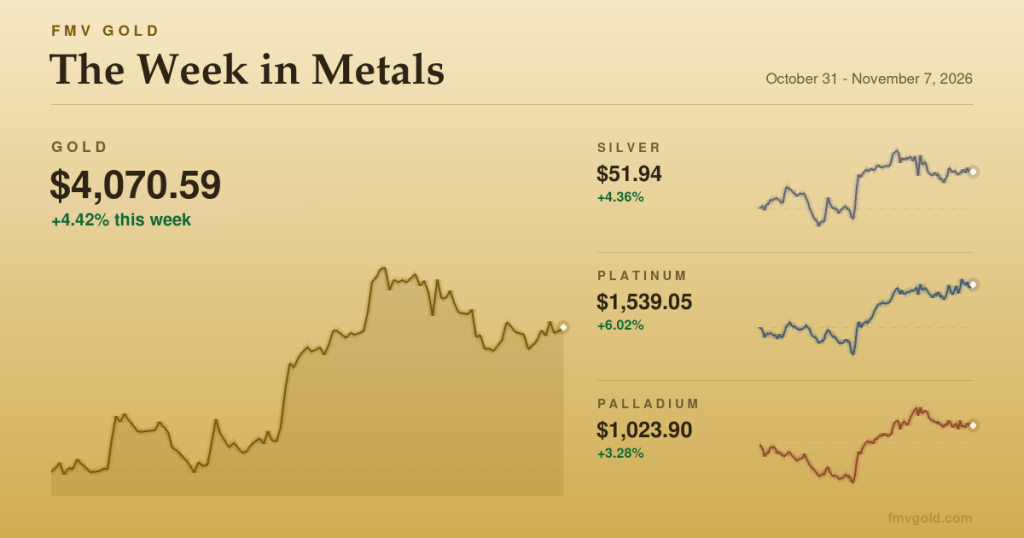
Know the spot price before the call. Spot is the benchmark price for raw metal, and you can watch it on our markets page. Multiply a coin’s pure metal content by spot and you have its melt value, the floor beneath any price you’re quoted.
Ask for the premium as a percentage over melt, in writing. A seller who won’t put the markup on paper has told you what you need to know. In the Red Rock case, customers heard 1 to 5 percent on common bullion, then were sold coins marked up around 100 percent.
Ask what the dealer would pay to buy it back today. The gap between the selling price and the buyback price is your real cost. On plain bullion it’s modest. On a markup scheme it’s enormous, and an honest dealer will answer the question without hesitating. Our guide to selling a collection without regrets covers what fair buyback offers look like.
Compare at least two other sellers. Pricing on recognized coins is transparent if you look. Our dealer directory is a starting point, and how FMV Gold works explains how we track fair market value.
Verify the firm, not the voice. Search the company on the NFA’s BASIC database and with your state securities regulator, and search its name alongside “CFTC” or “SEC.” A firm can change its name; Red Rock now operates as American Coin Co., per the SEC.
Never move a retirement account on a phone call. Self-directed IRAs that hold metal are legal, but rolling over a 401(k) is exactly the step these schemes depend on. Talk to your own advisor or plan administrator first, and take at least a day.
Know where the metal is. If you take delivery, test what arrives; our piece on spotting fake gold and silver coins walks through it. If someone else holds it, you should get the name of the depository, an account in your name, and confirmation from the depository itself, not just the dealer. Our comparison of storage options explains what real custody looks like.
If you think you’ve already been taken
Don’t wait, and don’t sell back to the same firm at whatever it offers. Gather every invoice, email, and recorded statement you have, including notes on what the salesperson said about markups. Get an independent buyback quote so you know what the coins are really worth. Then file complaints with the CFTC (its advisory lists 866-366-2382), your state securities regulator, and the SEC if retirement accounts were involved. Both big cases above began with complaints, and in Red Rock’s case restitution followed.
Buying gold and silver should feel a little dull: a recognized coin, a known premium, a seller who answers every question in writing. When the conversation turns exciting, that’s usually the moment to end it.