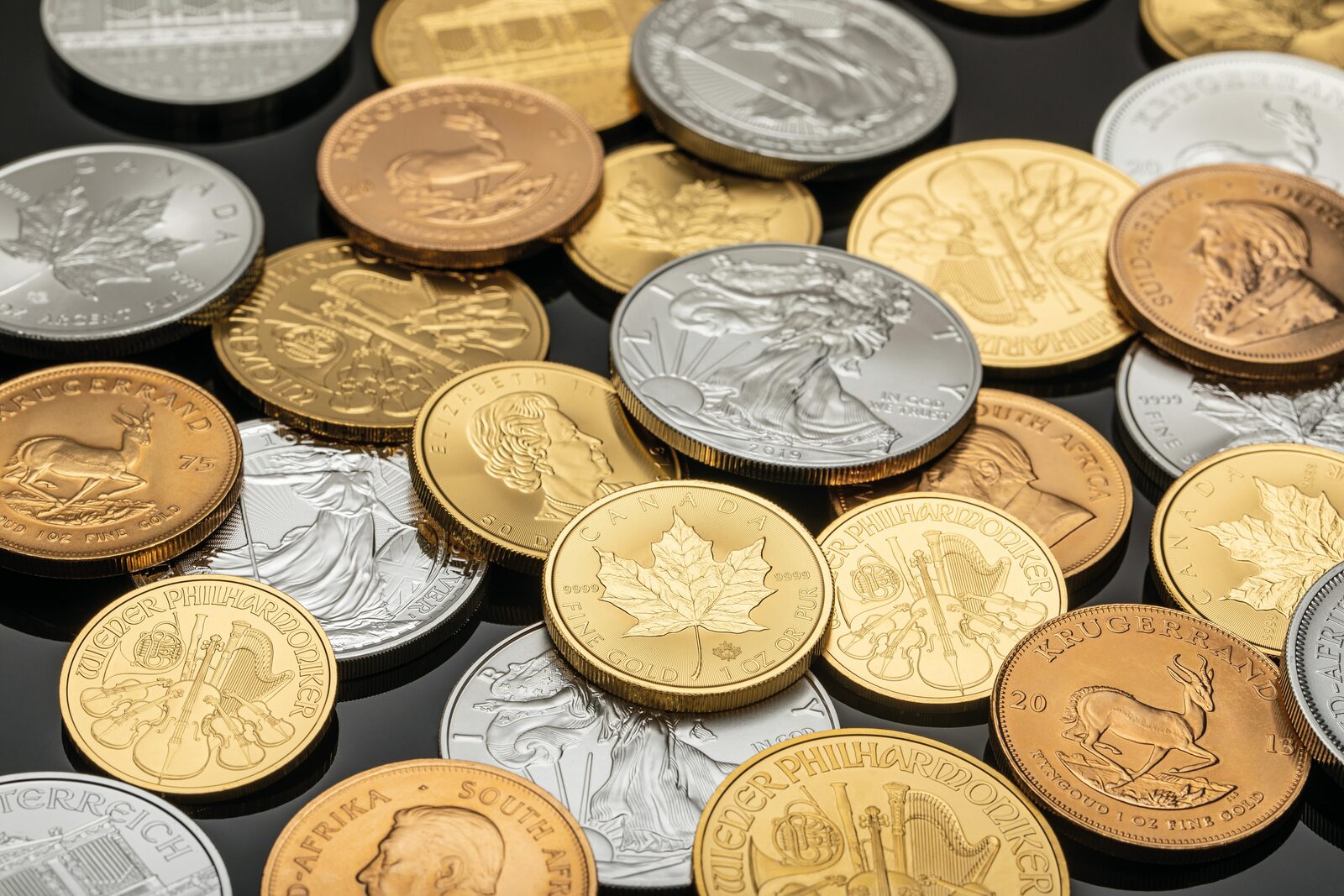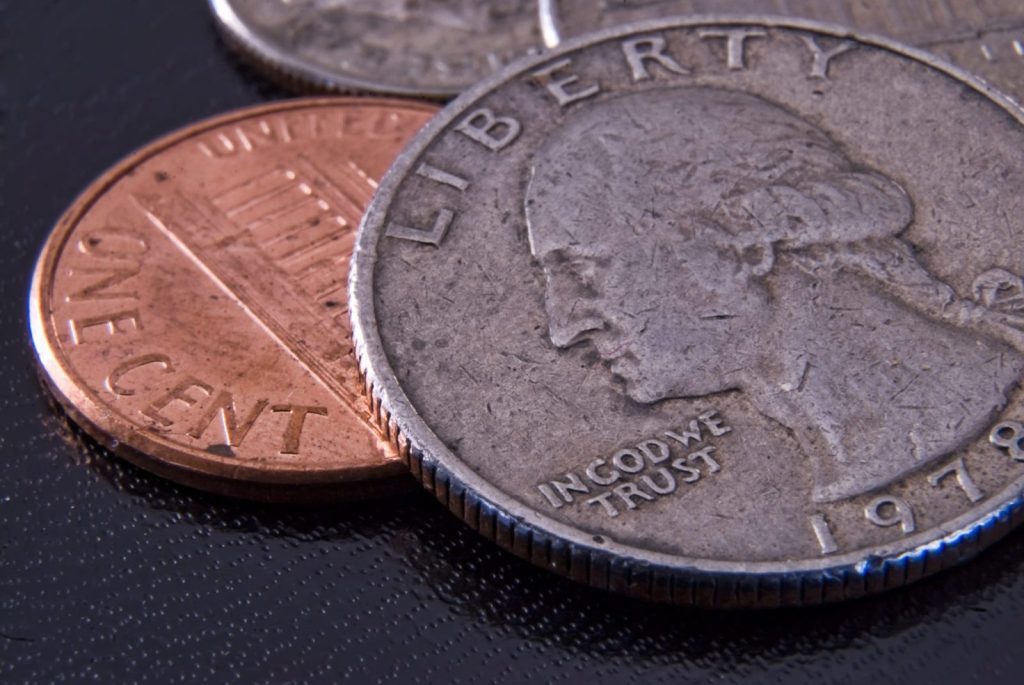

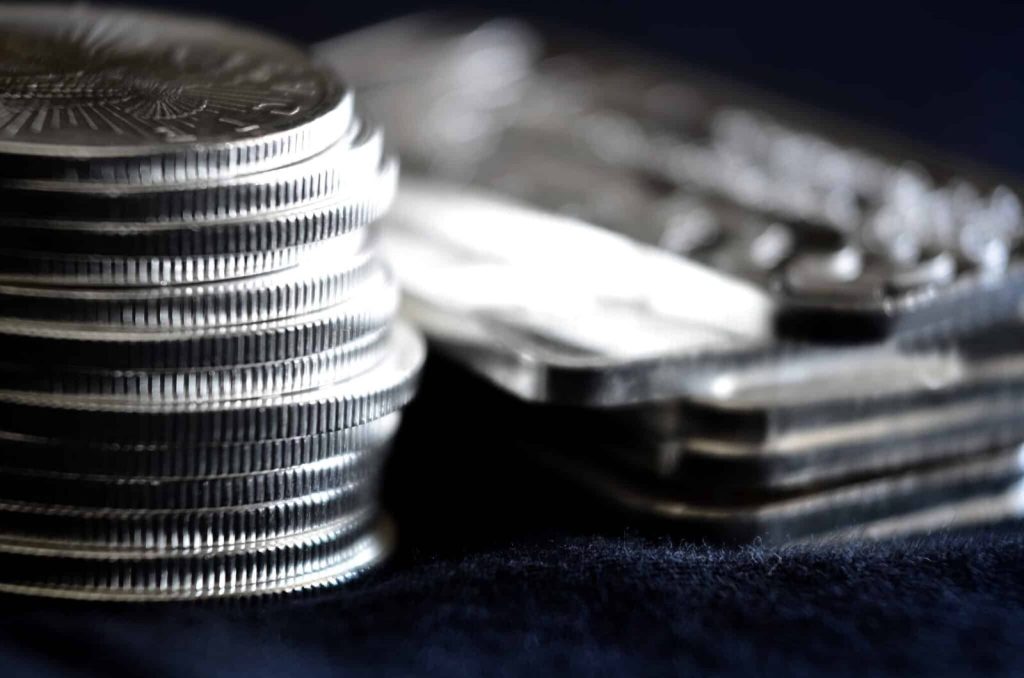
The American Silver Eagle is the coin most new buyers reach for first, and plenty of seasoned collectors never stop reaching for it. It is the official silver bullion coin of the United States, one troy ounce of .999 fine silver with a familiar striding Liberty on the front. It is also, by a wide margin, the most heavily minted silver bullion coin in the world. Before you decide whether Silver Eagles are a good investment for you, it helps to understand where the coin came from, what you are actually buying, and which dates behave less like bullion and more like rare coins.
A coin born from a silver glut
The Silver Eagle exists because of a surplus. Through the early 1980s the federal government sat on a large stockpile of silver, and mining-state legislators wanted an orderly way to sell it. Senator James McClure of Idaho pushed the Liberty Coin Act, which President Reagan signed in 1985. The law authorized a one-dollar silver coin of 99.9 percent purity, and the U.S. Mint struck the first American Silver Eagles in 1986.
That origin matters. The Eagle was designed from the start as a bullion product, a clean and trusted way to own an ounce of silver, rather than as a commemorative or a circulating coin. Four decades later it still carries a one-dollar face value that no one uses, because the value lives in the metal and the recognition, not the denomination.
The design, front and back
The obverse is not new art. It is Adolph A. Weinman’s Walking Liberty, lifted from the half dollar he designed for circulation from 1916 to 1947. Liberty strides toward a rising sun with a flag draped over her shoulder, and it remains one of the most admired designs in American coinage. Reusing it gave the young bullion program instant dignity.
The reverse has changed once. From 1986 through early 2021, the coin wore a heraldic eagle behind a shield, designed by John Mercanti, who would later become the Mint’s chief engraver. For the program’s 35th anniversary in 2021, the Mint replaced it. The new reverse, chosen from dozens of candidates through the Mint’s Artistic Infusion Program, shows a bald eagle coming in to land with an oak branch in its talons. Emily Damstra created the design and Michael Gaudioso engraved it. Collectors now call the two eras Type 1 and Type 2, and 2021 is the only year that produced both.
What you actually get
Each Eagle holds a full troy ounce of .999 fine silver and measures a broad 40.6 millimeters across, which is part of why the coin feels substantial in hand. Because it is one-ounce bullion, its metal value simply tracks the silver spot price. In mid-August 2026 silver traded near 65 dollars an ounce, so the melt value of a single Eagle sat close to that figure and moved with the market day to day.
You do not buy an Eagle at pure metal value, though. Every physical coin carries a premium over spot that pays for minting, distribution, and the coin’s own liquidity. Silver Eagles usually command a higher premium than a plain round or a bar of the same weight, and in tight markets that gap can widen sharply. What you get for the extra cost is recognition. A government coin with a known weight and purity is easy to sell to almost any dealer, and that liquidity is worth something. Silver Eagles are also eligible for a precious-metals IRA, both because .999 silver clears the fineness rule and because the American Eagles are named in the tax code by statute.
So are Silver Eagles a good investment?
The honest answer is that it depends on which Eagle you mean and why you are buying. For a straightforward way to hold physical silver, the ordinary bullion Eagle does its job well: it is universally recognized, easy to buy and sell, and it moves with the metal. The tradeoff is the premium. If your goal is the maximum number of ounces for your dollar, bars and rounds cost less per ounce, and paying up for Eagles is a choice about liquidity and recognition rather than raw metal.
Whether Silver Eagles are a good investment also turns on separating the stack from the collection. The bullion coins you buy by the tube are a silver play, plain and simple. A handful of proof, burnished, and key-date issues are a different animal, priced on scarcity and condition rather than melt. Blurring the two is the classic mistake. Treat your bullion as metal, treat the rare dates as collectibles, and judge each on its own terms.
The key dates worth knowing
Most Silver Eagles are common by design, but a few stand out. The 1996 bullion coin is the key date of the Type 1 era: a sleepy silver market that year held production to 3,603,386 pieces, the lowest regular bullion mintage of the series and a fraction of the 40 million-plus struck in peak years like 2014 and 2015.
The proofs and special issues run scarcer still. The 1995-W proof, struck at West Point and originally available only inside that year’s 10th-anniversary gold set, had a mintage of just 30,125. It is one of the most valuable modern U.S. coins and routinely trades in the five figures, worth far more than its silver ever will be. The 2008-W burnished coin struck with a leftover 2007 reverse hub is a prized variety. More recent rarities include the 2019-S enhanced reverse proof, sold only in the Pride of Two Nations set with fewer than 30,000 made, and the 2020-W proof with a World War II privy mark, whose demand ran well past its supply.
None of those is something you stumble into by buying bullion. They matter because they show the range of the series. An Eagle can be a five-dollar-over-spot ounce of silver or a small, sought-after rarity, and knowing which one is in front of you is most of the game. If you want to compare America’s silver flagship with its gold counterpart, the reasoning behind the 22-karat Gold Eagle is a useful next stop, and the classic silver dollars, the Morgan and the Peace, remain the other pillar of American silver collecting.
Are Silver Eagles a good investment for a first-time buyer? For someone who wants recognized, liquid physical silver, the Eagle is a sensible default, as long as you go in knowing you are paying for that recognition. For a collector, the key dates and proofs offer a deeper and more demanding path. Both can make sense. They just answer different questions.