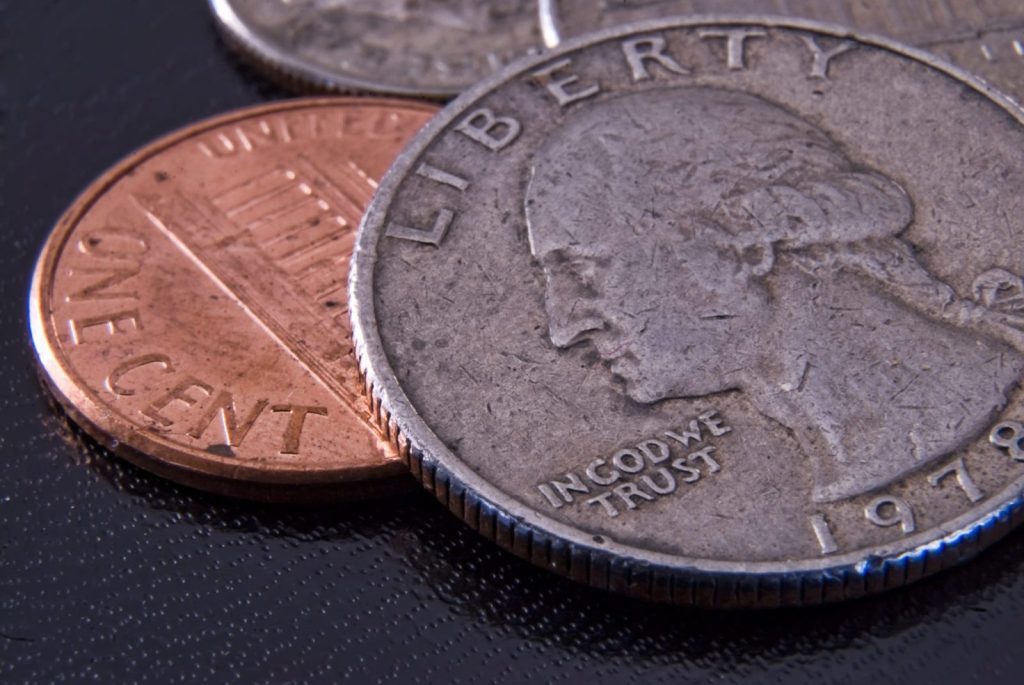

Somebody hands you a cigar box of dark silver dollars from a grandparent’s dresser, and the impulse arrives before the thought does: make them look like money again. Every coin shop in America has watched that impulse walk through the door about an hour too late.
The blunt version is that most cleaning takes value off a coin and never gives it back. Telling a new collector to never touch anything is not quite honest either, because sometimes a coin has something genuinely harmful sitting on its surface, and doing nothing lets that damage keep working. So here is where the line actually falls on whether to clean coins at all, and why the grading services draw it where they do.
What cleaning does to a coin’s surface
An original coin surface is not smooth. Striking leaves microscopic flow lines radiating out from the center, and those tiny ridges scatter light in every direction at once. Tilt a well preserved Morgan dollar under a lamp and you see the result: a band of brightness that sweeps around the face like a spoke turning. Collectors call it cartwheel luster, and it is the fastest way an experienced buyer sizes up a coin from across a table.
Abrasives and harsh chemicals flatten that structure. NGC puts it in physical terms. A cleaned coin loses “the peaks and valleys which are typified in its swirling luster” and takes on “a more uniform, smooth surface which reflects light in just a single direction.” The luster goes flat and lifeless as the coin turns away from the light. The service’s conclusion is four words long: “cleaning cannot be undone.”
That is the part people underestimate. A polished coin has not simply been made clean. Its top layer of metal has been rearranged or scraped away, and nobody sells the reverse operation. Toning can cover the evidence later, whether it arrives naturally or gets induced on purpose, but the flattened metal underneath stays flattened.
Why graders flag it, and what the flag costs
Both major services certify problem coins rather than reject them, and both withhold the numeric grade. PCGS assigns what it calls a Details grade with a problem code attached. Cleaning is code 92, sitting alongside scratches, environmental damage, altered surfaces, and questionable color. The coin still gets described by its wear, so you might see something like Genuine VF Details. What you do not get is the number that price guides are keyed to. PCGS is direct about the consequence: “In most cases, the value is substantially below what the price guides would show for a VF.”
NGC uses its own vocabulary, and the glossary is worth reading before you reach for anything. CLEANED means “a coin exhibiting abrasive or chemical cleaning.” HARSHLY CLEANED is “an extreme and aggressive form of cleaning.” WHIZZED describes a coin rubbed with a fine wire brush to fake mint bloom. The entry that should worry ordinary collectors is WIPED, which NGC defines as surface hairlines in isolated areas, “usually the result of accidental mishandling rather than intentional cleaning.” You can earn that one with a shirt tail and good intentions.
The dip trap
Commercial silver dips are the most common way a careful person ruins a coin, mostly because they work. Tarnish vanishes in seconds and the coin comes out bright. The chemistry is less friendly than the result suggests. Acid in the dip dissolves the tarnish, and it does not stop politely at the tarnish. As Coin World summarized the conservation research, “the acids in the dips can dissolve copper from a silver alloy and the silver as well.”
The active ingredient also refuses to rinse off. Thiourea bonds to silver through its sulfur, so the residue left behind pushes the coin to retarnish faster than it ever did before, while the freshly etched surface has become more chemically reactive. Conservators who studied it concluded that silver dips are not recommended for cleaning silver objects at all. A dipped coin tends to look its best the week it was dipped and a little worse every year after.
When you can clean coins safely
There is a real list. It is short.
Active PVC residue. Soft vinyl flips shed plasticizer that settles on a coin as a sticky green film, which is exactly why the U.S. Mint warns collectors away from holders containing polyvinyl chloride. This problem is not cosmetic. The residue keeps corroding the metal for as long as it sits there, so leaving it alone is itself a decision. Pure acetone dissolves the organic film without reacting with gold or silver, which is why it is the one solvent that turns up in serious conservation discussions. It lifts the residue. It does not lift the pitting the residue already etched. For anything carrying a collector premium, send it out instead. NGC notes that “PVC holders, glue or dip chemicals can often be safely removed” by its conservation arm.
Loose dirt on a coin with no collector premium. A modern circulated piece that will never see a grading holder can take the Mint’s own advice, which is mild soap and water followed by patting dry with a soft towel. No brushing. No rubbing. The patting is the whole technique.
Contaminants a professional should handle. Numismatic Conservation Services defines its work as “the removal of contaminants from a coin and the stabilization of its surfaces” and states plainly that it “does not include adding anything to the coin.” It will not tone a dipped coin, fill a hole, or smooth a scratch. Corrosion that has already eaten into the metal stays eaten. Knowing what conservation cannot repair is the quickest route to understanding why prevention beats any technique.
Bullion plays by a different set of rules
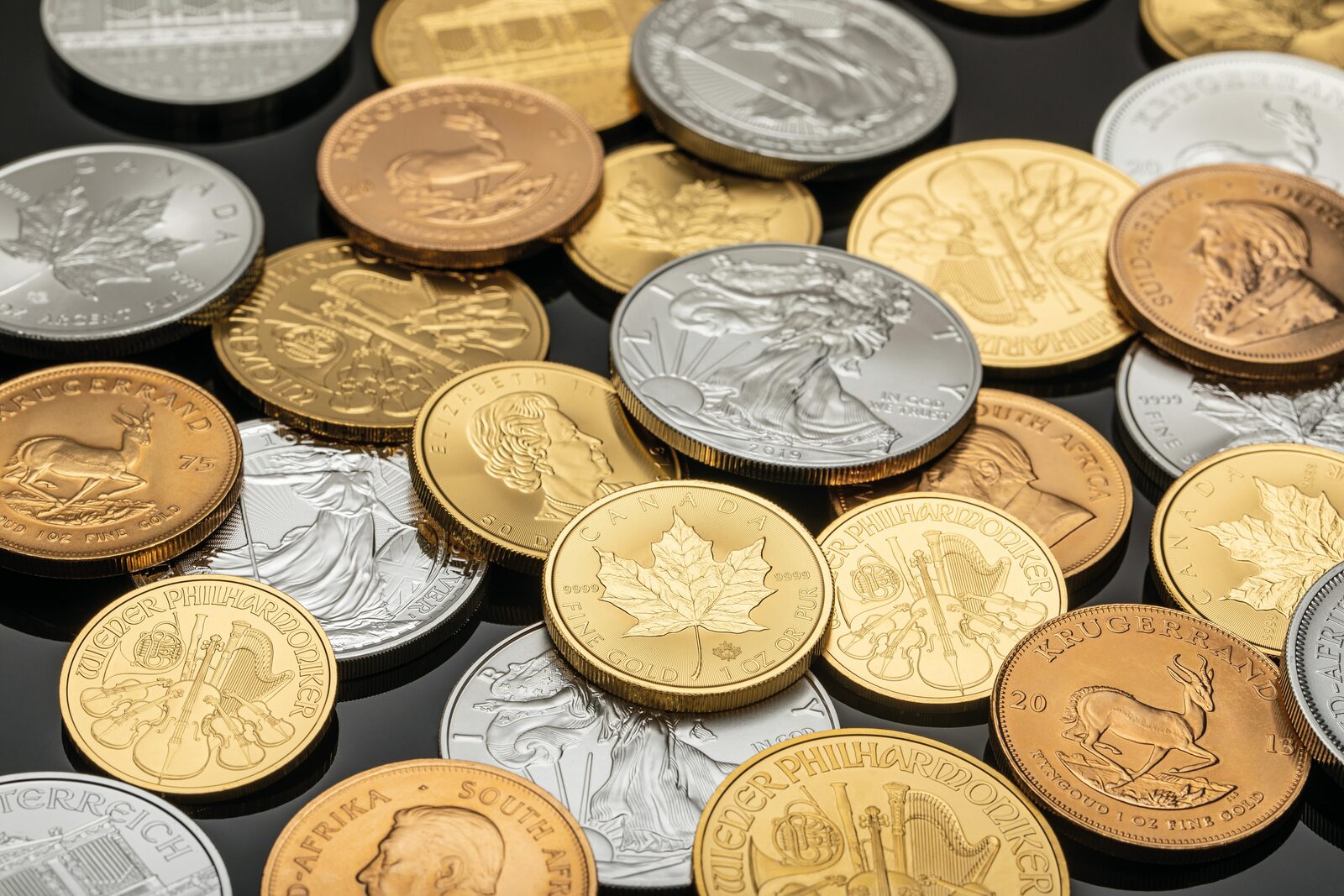
Metal content anchors a bullion coin, and that changes the arithmetic. A one ounce round with a thumbprint on it still holds an ounce of silver, and melt value sits under it as a floor no matter how the surface looks. That floor moves with spot rather than with eye appeal.
Appearance still shows up in the premium above the floor. Silver Eagles are the standing example, thanks to the white haze collectors call milk spots, which tends to appear after the coins leave the Mint and resists ordinary removal. Buyers paying up for a top grade care a great deal about it. Buyers stacking ounces care hardly at all. Either way, scrubbing at the spots is a losing trade, since you swap a cosmetic flaw for a surface flaw that graders have a name for.
If you are working out where a given piece sits between metal value and collector value, our explanation of how valuation works lays out the moving parts, and the coin reference is a reasonable place to compare series before you commit.
Habits that keep the question from coming up
- Hold coins by the edges, between thumb and forefinger, over a soft towel or cloth. Skin oils corrode, and a dropped coin lands on something forgiving.
- Keep cotton gloves in the same drawer as the coins rather than somewhere else in the house.
- Do not talk over an open coin. Saliva droplets leave permanent spots, which sounds fussy right up until you see one.
- Use inert, acid free holders. If a flip feels soft and floppy, treat it as suspect.
- Keep the collection cool, dry, and stable. Sharp swings in temperature and moisture cause the discoloration that sends coins to conservators in the first place.
Our guide to storage options covers those tradeoffs in more depth. If you are sorting through an inherited group you have never handled before, confirm what you actually have using our notes on spotting counterfeits before you spend a minute worrying about how any of it looks.
The instinct to tidy up an old coin comes from a decent place. It simply runs against the way this market prices originality, which is heavily and without much sentiment. A dark, honest, untouched surface tells a buyer the coin has been left alone for a century. Bright and flat tells them somebody got impatient. The collectors who clean coins successfully are, almost without exception, the ones who hardly ever need to.