
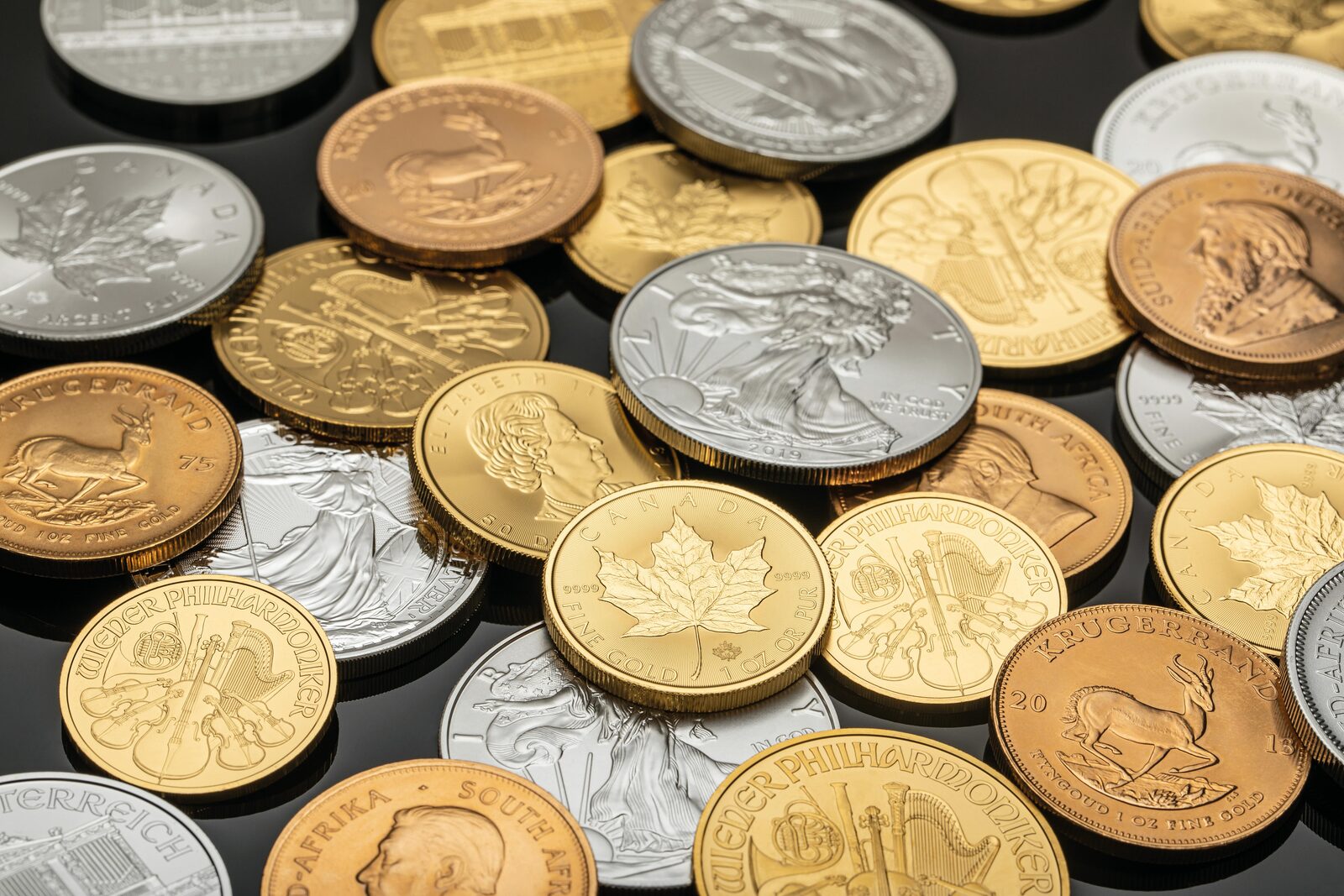
The first time you walk onto a big coin show floor, it can feel like a cross between a flea market and a trading pit. Rows of glass cases run off in every direction, dealers are talking prices across the tables, and somewhere a man in a windbreaker is holding a slabbed double eagle up to the light as if it might confess something. A show is the best classroom in the hobby, and also the easiest place to spend money you meant to keep.
Here is how to buy coins at a coin show without going home with a bag of regrets. It takes no expertise, mostly a plan and some manners.
What a coin show actually is
The selling area of a show has its own name. The American Numismatic Association explains that “bourse” is a French word for a place where numismatic items are offered for sale, and you will hear it used constantly: bourse floor, bourse table, bourse fee. The dealers behind those tables have paid for the space, which is worth remembering when you are deciding where to do business. Numismatic News quoted one longtime dealer making exactly that point: deal with the people who have booths, because they pay to be there.
Shows run from a few dozen tables in a hotel ballroom to national conventions. The ANA’s World’s Fair of Money, its flagship summer show, advertises hundreds of dealers along with lectures and exhibits; the 2027 edition is scheduled for August 10 to 14 in Rosemont, Illinois. The Florida United Numismatists (FUN) show in January and the Whitman shows in Baltimore are other fixtures of the calendar.
The ANA’s own advice for a first show is to start small. A local club show is friendlier, slower, and far less overwhelming than a national convention where you could walk for an hour without seeing the same dealer twice.
How to buy coins at a coin show: prepare before you go
The single most useful thing you can bring is a want list. Write down the specific coins you are hunting, the grades you will accept, and a ceiling for each one based on research you did at home. A show is designed to put a thousand attractive things in front of you. A written list is how you remember that you came for a Peace dollar and not a framed set of Canadian commemoratives.
Set a total budget too, and decide in advance how you will pay. Some dealers prefer cash, some take cards, and policies vary from table to table, so ask before you start negotiating rather than after.
A few tools belong in your pocket:
- A loupe. The ANA calls a loupe or magnifying glass a numismatist’s most important tool. A decent hand loupe will show you hairlines, cleaning, and repairs that look fine at arm’s length.
- A small notebook or your phone. Note which dealer had which coin and at what asking price, so you can compare before you commit.
- A reference for specs. Knowing the correct weight and diameter of what you are buying is your first line of defense, especially for raw (unslabbed) gold and silver. Our guide on how to spot fake gold and silver coins covers the basic checks.
Walk the floor before you buy
Resist the urge to buy at the first table that has your coin. Take a lap. You will often find the same date and grade at several tables, in noticeably different condition, and the comparison teaches you more about eye appeal than any book.
Commit when you are sure, though. The ANA specifically asks collectors not to buy a coin on the first day and then try to return it on the last day because something else caught their eye. Ask about a dealer’s return policy before you pay if you think it might matter.
Etiquette that dealers notice
Most coin show rules are, as one dealer put it to Numismatic News, just common courtesy. A few of them are worth spelling out because newcomers break them without meaning to:
- Wait your turn. Don’t interrupt a dealer who is mid-conversation or mid-transaction, and don’t ask to see a coin while someone else is negotiating. Come back when they are done.
- Keep your things off the cases. Bags, books, and coats on the glass block other customers’ view. The ANA suggests keeping a bag on your shoulder or back while you browse.
- Put coins back where you found them. Don’t pull coins out of a dealer’s box and stack them in a pile on the table.
- Ask before showing a dealer’s coin to someone else. If you want a second opinion from a friend or another dealer, get permission first.
- Negotiate honestly. The ANA’s advice is not to haggle over a price that is already fair, and not to cherry-pick a dealer’s best inventory and then expect wholesale terms.
Handle raw coins like the dealer is watching, because they are. PCGS advises that coins should be gripped only by their edges, since a thumb on the face of a coin is likely to leave a permanent mark. The U.S. Mint adds two sensible habits: hold coins over a soft surface, and avoid talking directly over them, since tiny droplets of saliva can spot a coin. PCGS’s own suggestion is to keep something soft, such as a piece of velvet, under a coin while you hold it. If the dealer has a pad on the table, use it.
Know what you are paying for
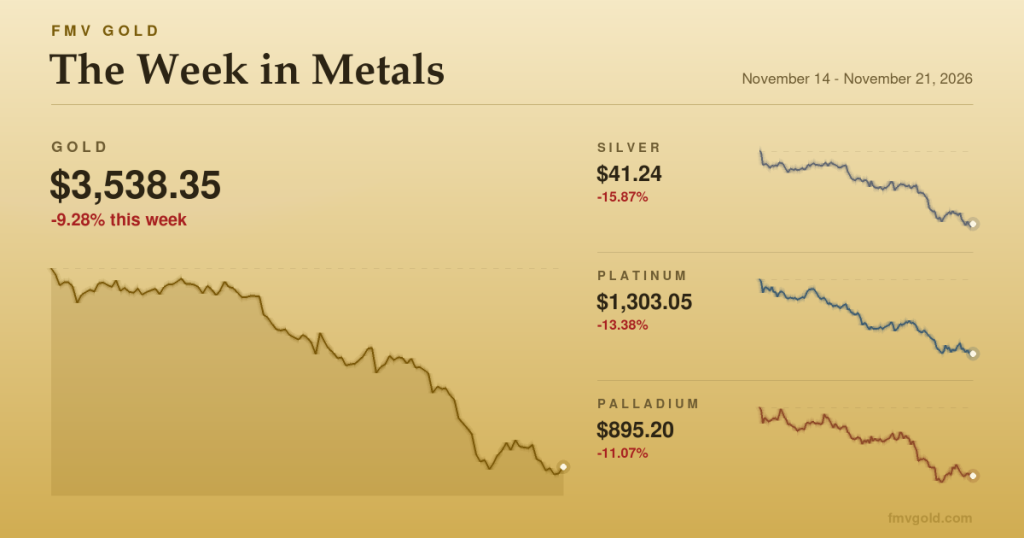
For plain bullion, the honest benchmark is metal value. Check the spot price on the morning of the show (our markets page is a quick reference) so you know the floor under any gold or silver coin you are considering. Melt value is the minimum, not the market price: proofs, graded coins, and pre-1933 gold all trade above it on collector demand, and that difference is the part worth thinking hardest about.
For collector coins, the label matters as much as the coin. A slab from a major grading service gives you a starting point, and shows are one of the places where grading itself happens: NGC, for example, has offered on-site grading at FUN and the World’s Fair of Money, with coins submitted and returned during the same show. Whether submitting your own coins is worth the fee is a separate question, which we take up in is it worth getting your coins graded.
It also helps to know who you are buying from. Many established dealers belong to the Professional Numismatists Guild, whose members pledge to grade accurately by recognized standards, not to misrepresent prices, quality, or guarantees, to disclose altered or doctored coins, and to submit to arbitration if a dispute cannot be settled. The PNG code even requires members to tell retail customers that the coin market is speculative and unregulated. That is a useful reminder coming from the dealers themselves. You can read more about vetting sellers on our dealers page.
Red flags on the floor
Most dealers you meet at a show want you back next year. Still, a few warning signs should slow you down:
- Pressure to decide right now, or a deal that is “only good for the next ten minutes.” The PNG’s pledge explicitly rules out high-pressure sales tactics.
- Raw gold or key-date coins offered at a price that seems too good, with no willingness to let you look closely.
- Talk about investment returns rather than the coin itself.
- Vague answers about a coin’s history, cleaning, or repairs.
Our longer guide to gold and silver scams covers the patterns that show up away from the bourse floor as well.
Go for the education, too
The best reason to attend a show may have nothing to do with buying. Seeing that much material in one room trains your eye faster than years of photos online, and dealers interviewed by Numismatic News said they like helping beginners. Ask questions during quiet moments and thank people whether or not you buy.
If you are just getting started, pair your first show with our guide on how to start a coin collection without wasting money, and browse the coin catalog beforehand so the names on the labels look familiar. Go with a list, a loupe, and a budget, and the floor gets a lot less intimidating.